Introduction
CRISPR gene editing has become a widely used technology in molecular biology research, supporting applications such as gene knockout, gene knock-in, functional genomics, cell engineering, and disease-related studies.
Although CRISPR experiments often focus on guide RNA, Cas proteins, delivery methods, and editing strategy, laboratory consumables are involved throughout the workflow.
These consumables may support:
● RNA handling
● RNP preparation
● Cell handling
● PCR validation
● Clone screening
● Sample processing
● Storage-related workflows
For laboratories and procurement teams, purchasing these consumables as isolated SKUs can make it difficult to evaluate whether each product is suitable for the intended workflow.
A more practical approach is to look at the CRISPR-related molecular biology workflow as a whole and match consumable specifications to the requirements of each stage.
This guide focuses on the laboratory consumables commonly used in CRISPR-related workflows and the key factors buyers should consider when sourcing them.
Quick Answer
CRISPR-related molecular biology workflows may require several types of laboratory consumables, including RNase-free pipette tips, filter tips, low-retention tips, microcentrifuge tubes, PCR tubes, PCR plates, sealing films, centrifuge tubes, selected cell culture consumables, deep-well plates, and selected storage products where available.
For procurement teams, the key is not to buy “CRISPR consumables” as a single product category.
A safer approach is to evaluate consumables by workflow stage, including RNA handling, RNP preparation, cell handling, PCR validation, screening, and sample storage.
Buyers should confirm product compatibility, sterility, RNase/DNase-free claims, low-binding or low-retention requirements, packaging, documentation, sample availability, and repeat supply capability before bulk purchasing or private-label launch.
Product claims should be confirmed with product-specific documentation or batch-level evidence where applicable.
China OEM Supply Note: Where Yuanzan Fits
Yuanzan does not provide CRISPR gene editing services, gRNA design, Cas protein development, gene editing assay development, or clinical diagnostic services.
Yuanzan’s role is to support selected laboratory consumables, PCR-related products, liquid handling products, sample processing consumables, selected cell culture consumables, OEM/ODM cooperation, and private-label packaging based on product category and project scope.
For distributors, OEM buyers, molecular biology suppliers, reagent companies, and laboratory brands, Yuanzan can support:
● Sample requests
● Reference SKU review
● Product list evaluation
● Documentation discussion
● Packaging customization
● Pilot SKU planning
● Repeat supply planning
● OEM/private-label discussion
Product scope, documentation, claims, compatibility, and market requirements should be confirmed during the RFQ stage.
1. Consumables Used in CRISPR-Related Molecular Biology Workflows
A CRISPR experiment may involve different protocols depending on the cell type, editing strategy, delivery method, and downstream analysis.
However, several categories of consumables are commonly used across CRISPR-related molecular biology workflows.
The same CRISPR-related workflow can require several different consumable categories, while a single product may be used at multiple stages.
Pipette tips, for example, may be involved in sample preparation, nucleic acid handling, PCR setup, and screening.
PCR consumables become particularly important during downstream validation, while selected cell culture and storage-related products may support recovery, screening, and preservation of edited cells.
For this reason, CRISPR-related consumables are often better evaluated as a connected workflow group rather than as isolated SKUs.
| Workflow Stage | Typical Consumables | Key Risk | What Buyers Should Check |
|---|---|---|---|
| gRNA preparation | RNase-free pipette tips, filter tips, microcentrifuge tubes, PCR tubes | RNA degradation or contamination | RNase/DNase-free documentation where applicable |
| RNP preparation | Low-retention tips, low-binding tubes where applicable, microcentrifuge tubes | Sample adsorption or material loss | Low-binding or low-retention requirements where applicable |
| Cell delivery and culture | Selected cell culture plates, dishes, flasks, centrifuge tubes, serological pipettes | Contamination or poor workflow fit | Sterility and endotoxin-related documentation where required |
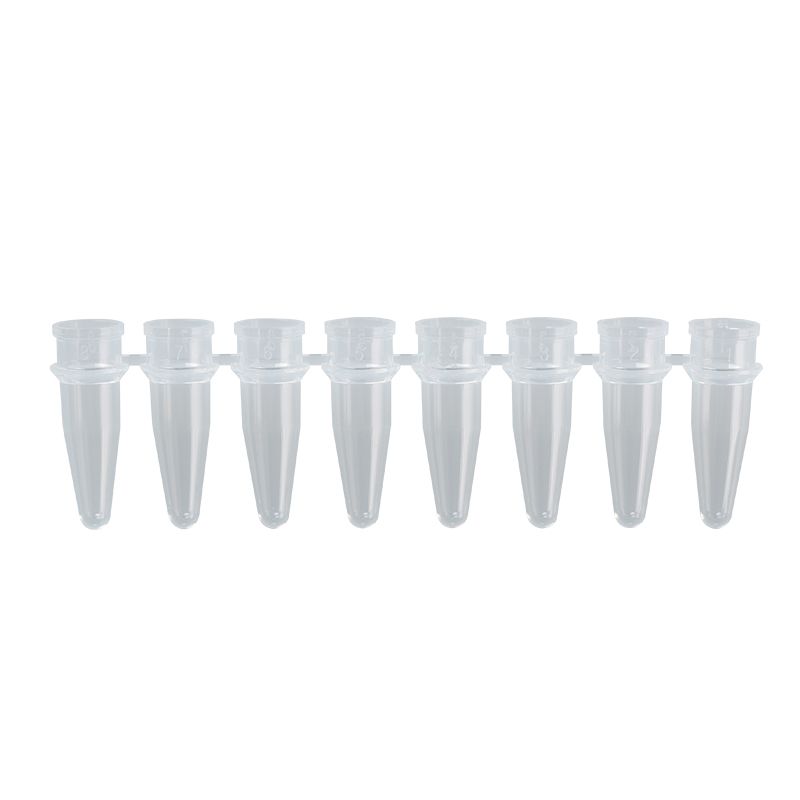
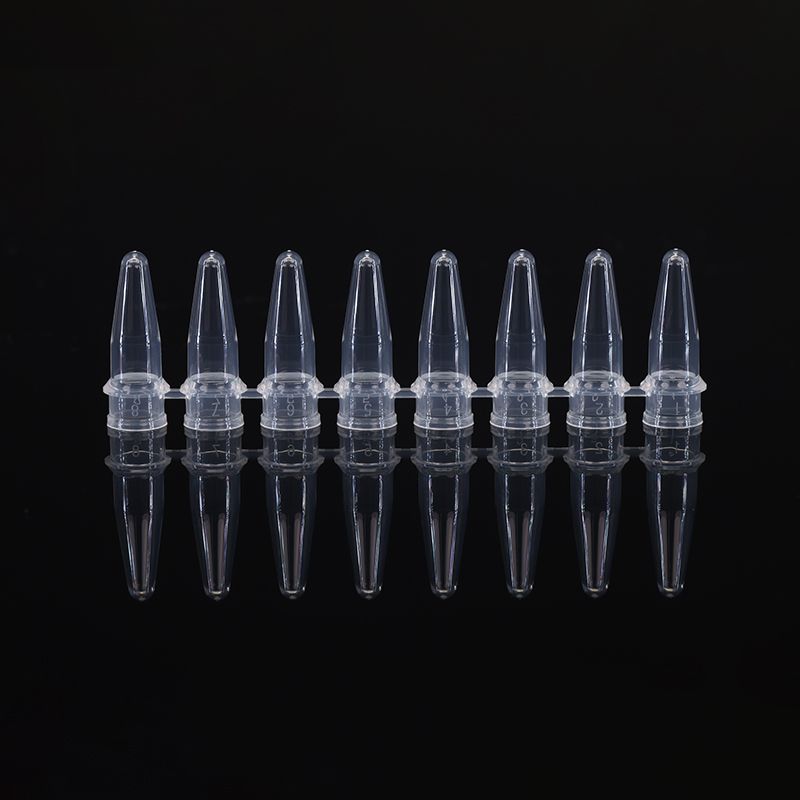
| Validation and analysis | PCR tubes, PCR plates, sealing films, filter tips, deep-well plates where applicable | Evaporation, poor sealing, instrument mismatch | PCR/qPCR instrument compatibility and sealing performance |
| Clone screening and expansion | Selected multi-well plates, cell culture consumables, pipette tips | Uneven handling or workflow inconsistency | Format suitability and product consistency |
| Sample storage | Selected storage tubes or cryogenic storage products where available | Leakage, sample loss, unsuitable storage condition | Storage condition suitability and sealing performance where applicable |
2. What Should Buyers Consider When Sourcing CRISPR Workflow Consumables?
Different stages of a CRISPR-related workflow place different demands on laboratory consumables.
Beyond basic product specifications, procurement teams should evaluate how consumables may affect sample integrity, workflow consistency, contamination control, compatibility, and operational efficiency.
Contamination Control
Contamination control is particularly important during RNA handling and molecular biology workflows.
RNase or DNase contamination may compromise sample quality and introduce unnecessary variation.
For RNA-related applications, laboratories may prioritize RNase/DNase-free consumables where applicable.
However, buyers should not assume these claims by product name alone.
RNase-free, DNase-free, sterile, endotoxin-free, pyrogen-free, PCR inhibitor-free, human DNA-free, low-binding, or low-retention claims should be confirmed with product-specific documentation or batch-level evidence where applicable.
Sample Recovery and Surface Properties
When working with proteins, nucleic acids, or RNP complexes, sample adsorption to plastic surfaces can contribute to material loss.
Low-retention pipette tips or low-binding tubes may be considered when sample recovery is important, especially in low-volume workflows.
However, low-binding or low-retention performance should be evaluated according to product design, application requirements, sample testing, and product-specific documentation where applicable.
Equipment Compatibility
Laboratories should verify compatibility between consumables and existing equipment, including:
● Pipettes
● Centrifuges
● PCR instruments
● qPCR instruments
● Automated liquid-handling systems where applicable
Poor compatibility can affect workflow efficiency, increase operational issues, or lead to inconsistent handling.
For PCR and qPCR workflows, buyers should confirm tube, plate, sealing film, and instrument compatibility before bulk purchasing.
Product Consistency
For recurring experiments and larger projects, product consistency is an important procurement consideration.
Consistent dimensions, material properties, sealing performance, packaging, and manufacturing quality can help reduce avoidable workflow variation.
For distributors, product consistency also affects customer feedback, reorder confidence, and long-term catalog stability.
Packaging and Workflow Fit
Packaging should match the way the consumable is used.
For example:
● Filter tips may be required for contamination-sensitive workflows.
● Racked tips may support routine and higher-throughput handling.
● Individually packed sterile consumables may be needed for selected applications.
● PCR plates and sealing films should fit the intended PCR or qPCR workflow.
● Cell culture consumables should match the target handling and incubation process.
The best consumable is not always the most advanced option.
It is the product format that fits the workflow, documentation requirement, and purchasing model.
3. Building a Molecular Biology Consumables Portfolio Around CRISPR-Related Workflows
For distributors, CRISPR can be considered as a workflow-based molecular biology category.
Instead of adding a single CRISPR-related SKU to an existing catalog, distributors can build a complementary portfolio around the different stages of molecular biology workflows.
This approach can make the product portfolio more relevant to laboratories because complementary products are presented around an actual workflow.
It can also help distributors identify opportunities to expand from individual products into broader molecular biology consumables categories.
For example, a distributor already supplying pipette tips may be able to expand into PCR consumables, centrifuge tubes, selected cell culture products, sealing films, or sample storage products that are used within the same customer workflow.
| Product Group | Typical Products | Role in the Workflow |
|---|---|---|
| Core molecular biology consumables | Pipette tips, filter tips, low-retention tips, microcentrifuge tubes, PCR tubes, PCR plates, sealing films | Nucleic acid handling, PCR setup, and editing validation |
| Supporting consumables | Centrifuge tubes, selected cell culture plates, flasks, serological pipettes, deep-well plates where applicable | Cell handling, sample processing, and workflow support |
| Storage-related products | Selected storage tubes or cryogenic storage products where available | Cell, clone, or sample preservation where applicable |
| OEM/private-label products | Packaging, labels, carton design, barcode, SKU family packaging | Distributor catalog development and branded product lines |
4. Sample Evaluation, Documentation, and Claim Control
Before purchasing CRISPR-related workflow consumables in bulk, buyers should request samples and review documentation.
Sample evaluation can help check:
● Pipette compatibility
● Tip fit and sealing
● Tube and centrifuge compatibility
● PCR or qPCR instrument compatibility
● Plate and sealing film performance
● Packaging format
● Sterile or non-sterile options
● Workflow suitability
● Reference SKU matching
● Customer feedback for distributors
Documentation review is especially important when the consumable is used in sensitive molecular biology workflows.
Useful documentation may include:
● Product specifications
● Material information
● ISO certificates
● Quality-related documents
● Sterilization-related documents where applicable
● RNase/DNase-free documentation where applicable
● Product-specific claim support where applicable
Buyers should be especially cautious with claims such as:
● Sterile
● RNase-free
● DNase-free
● Endotoxin-free
● Pyrogen-free
● PCR inhibitor-free
● Human DNA-free
● Low-retention
● Low-binding
● Leak-resistant
● Temperature-resistant
These claims should be confirmed with product-specific documentation, sample evaluation, or batch-level evidence where applicable.
A safer procurement process may look like this:
Reference SKU review → Sample request → Compatibility check → Documentation review → Packaging discussion → Pilot order → Repeat supply planning
5. Choosing a Molecular Biology Consumables Supplier
When selecting a supplier, product specifications are only one part of the evaluation.
For laboratories with recurring demand and distributors building long-term product lines, manufacturing capability and supply stability can be equally important.
A supplier with a broader relevant product range can simplify sourcing when several consumable categories are required for the same workflow.
For distributors, OEM and private-label capabilities can also be important when developing a branded molecular biology product line.
Samples should ideally be evaluated before large-volume purchasing, particularly when product compatibility with existing pipettes, centrifuges, PCR instruments, qPCR instruments, or automated systems needs to be confirmed.
| Evaluation Area | What Buyers Should Check |
|---|---|
| Product quality | Specifications, manufacturing consistency, batch stability |
| Documentation | Product information, quality documents, claim-related evidence where applicable |
| Manufacturing capability | Production capacity, quality management, repeat supply capability |
| Product range | Ability to support complementary workflow consumables |
| Samples | Availability for product and workflow evaluation |
| Compatibility | Fit with pipettes, centrifuges, PCR/qPCR instruments, and workflow requirements |
| Packaging | Bulk, racked, sterile pack, private-label, carton, barcode, and language options |
| Customization | OEM, private label, packaging, and selected product configuration |
| Supply support | MOQ, lead time, recurring order capability, and forecast planning |
6. How Yuanzan Supports Workflow-Based Consumables Buyers
Yuanzan supports selected laboratory consumables used in molecular biology, PCR, sample processing, selected cell culture support, and storage-related workflows based on product category and project scope.
For laboratories and distributors, sourcing consumables according to workflow requirements can simplify procurement and improve supply consistency.
Rather than purchasing products from multiple suppliers, buyers can evaluate consumables as part of a connected workflow supply plan.
For distributors expanding their molecular biology portfolios, Yuanzan supports OEM and private-label discussions to help partners build product lines around real laboratory workflows.
Yuanzan can help buyers evaluate:
● Product category fit
● Reference SKU matching
● Sample availability
● Packaging options
● Documentation requirements
● MOQ discussion
● Private-label feasibility
● Repeat supply planning
Product availability, special claims, documentation, compatibility, and project scope should be confirmed during product discussion.
| Application Area | Related Yuanzan Product Categories |
|---|---|
| RNA handling | Manual pipettes, pipette tips, filter tips, low-retention tips, microcentrifuge tubes |
| RNP preparation | Low-retention tips, microcentrifuge tubes, selected low-binding options where applicable |
| Cell handling and culture support | Selected cell culture plates, dishes, flasks, serological pipettes, centrifuge tubes |
| PCR validation | PCR tubes, PCR plates, optical sealing films, filter tips |
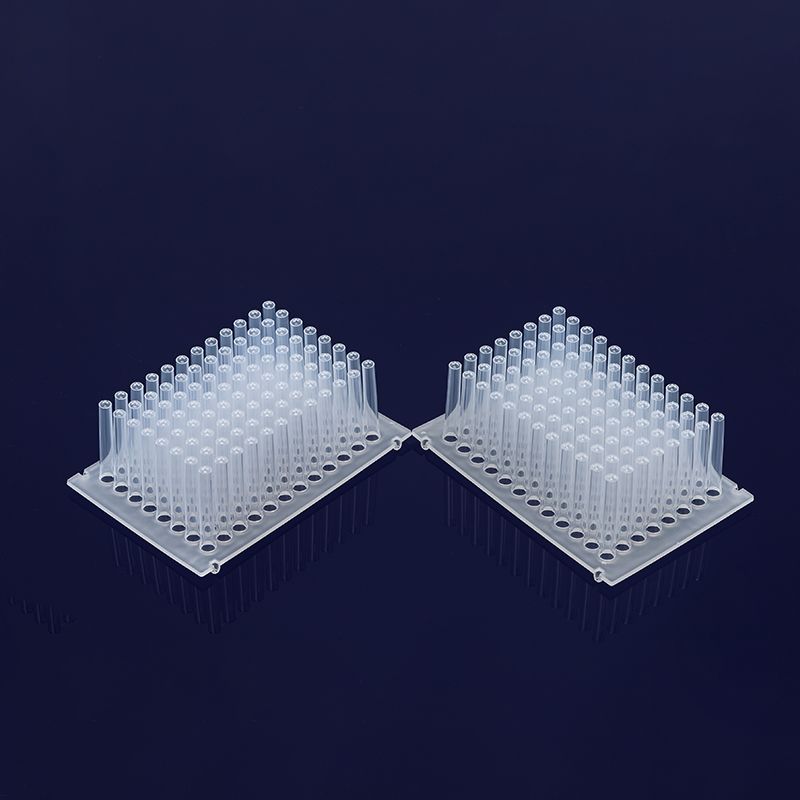
| High-throughput screening support | Deep-well plates, selected sample processing consumables |
| Sample storage | Selected storage products where available |
| OEM/private label | Customized packaging, labeling, barcode, carton design, and private-label programs |
7. Recommended Sourcing Process for CRISPR-Related Workflow Consumables
A practical sourcing process should reduce uncertainty before bulk purchasing or private-label launch.
Buyers can follow this sequence:
Step 1: Define the Workflow
Clarify whether the target use case involves:
● RNA handling
● RNP preparation
● Cell culture
● PCR validation
● Clone screening
● High-throughput screening
● Sample storage
● Distributor catalog expansion
● OEM/private-label supply
Step 2: Identify Core Consumables
List the consumables required at each stage, such as:
● Selected cell culture consumables
● Selected storage products where available
Step 3: Confirm Claims and Documentation
Identify which claims are required and which documents are needed.
Do not assume sensitive claims by default.
Claims such as RNase-free, DNase-free, sterile, endotoxin-free, low-retention, or low-binding should be supported by product-specific documentation or batch-level evidence where applicable.
Step 4: Request Samples
Samples should be evaluated for compatibility, packaging, workflow fit, and customer feedback where applicable.
For distributors, sample evaluation can also support internal product selection before launching a private-label SKU.
Step 5: Discuss OEM or Private-Label Requirements
For branded product lines, clarify:
● Logo
● Label
● Carton design
● Barcode
● Packaging language
● SKU family structure
● Target market
● Annual volume
● Documentation needs
Step 6: Plan Pilot Order and Repeat Supply
A pilot order can reduce risk before full catalog expansion.
After pilot evaluation, buyers can review reorder potential, customer feedback, documentation requirements, and repeat supply feasibility.
Conclusion
CRISPR gene editing workflows depend on more than guide RNA design, Cas protein selection, and delivery methods.
Throughout the workflow, consumables used for RNA handling, RNP preparation, cell handling, PCR validation, clone screening, sample processing, and storage can influence workflow consistency, sample recovery, compatibility, and operational efficiency.
For laboratories, selecting consumables according to workflow requirements can help reduce avoidable variation and support more consistent molecular biology workflows.
For distributors and OEM buyers, CRISPR-related workflows also represent an opportunity to build a connected molecular biology consumables portfolio rather than sourcing isolated products.
Pipette tips, microcentrifuge tubes, PCR consumables, selected cell culture products, deep-well plates, sealing films, and storage-related products can be positioned as part of a workflow-based supply solution.
A workflow-based sourcing strategy helps simplify procurement, improve catalog planning, and support long-term supply consistency.
Need Consumables for CRISPR-Related Molecular Biology Workflows?
Yuanzan supports selected consumables for RNA handling, PCR setup, cell culture support, sample processing, and storage-related workflows, as well as OEM and private-label cooperation for life science distributors and laboratory brands.
Send your reference SKU, workflow requirements, target market, annual volume, packaging needs, and documentation requirements.
Our team can help evaluate sample availability, compatibility, packaging options, documentation needs, and supply feasibility.
Submit Molecular Biology Consumables List
Discuss OEM / Private-Label Supply
FAQ
What consumables are commonly used in CRISPR-related molecular biology workflows?
Common consumables may include pipette tips, filter tips, low-retention tips, microcentrifuge tubes, centrifuge tubes, PCR tubes, PCR plates, sealing films, selected cell culture consumables, deep-well plates, and selected storage products where available.
The exact combination depends on the cell type, editing strategy, delivery method, validation workflow, and downstream analysis.
Does Yuanzan provide CRISPR gene editing services?
No. Yuanzan does not provide CRISPR gene editing services, gRNA design, Cas protein development, gene editing assay development, or clinical diagnostic services.
Yuanzan supports selected laboratory consumables and OEM/private-label supply discussions for molecular biology-related workflows.
Why are RNase-free consumables important for CRISPR-related workflows?
RNase-free consumables may be important when handling guide RNA or other RNA-containing samples because RNase contamination can compromise RNA integrity.
Buyers should confirm RNase-free or DNase-free claims with product-specific documentation or batch-level evidence where applicable.
When should buyers consider low-retention pipette tips or low-binding tubes?
Low-retention pipette tips or low-binding tubes may be considered when handling small volumes of nucleic acids, proteins, enzymes, or RNP complexes where sample adsorption may affect recovery.
Suitability should be confirmed through sample evaluation, product-specific documentation, and workflow requirements.
What should buyers check when purchasing PCR consumables for CRISPR validation?
Buyers should check PCR or qPCR instrument compatibility, plate or tube format, sealing performance, evaporation control, material information, packaging, and relevant product documentation.
PCR consumables should be evaluated based on the intended validation workflow rather than product name alone.
Can CRISPR-related workflow consumables be sourced as a product portfolio?
Yes. Distributors can build a CRISPR-related molecular biology portfolio by combining core molecular biology consumables with supporting cell culture, sample processing, PCR, and storage-related products.
This workflow-based approach can help expand an existing laboratory consumables catalog.
Can buyers request samples before purchasing CRISPR-related workflow consumables?
Yes. Buyers can request samples for product fit review, pipette compatibility, PCR/qPCR instrument compatibility, packaging evaluation, sterile or non-sterile comparison, documentation discussion, and workflow evaluation.
Can buyers upload reference SKUs from existing catalog brands?
Yes. Buyers may upload catalog pages, reference SKUs, product photos, drawings, packaging files, or technical datasheets for internal sample matching and sourcing evaluation.
Brand names are used only as market reference examples. Yuanzan is not affiliated with those brands.
Are RNase-free, DNase-free, low-binding, or low-retention claims available by default?
Not by default.
Claims such as sterile, RNase-free, DNase-free, endotoxin-free, PCR inhibitor-free, low-binding, or low-retention should be confirmed with product-specific documentation or batch-level evidence where applicable.
What should distributors look for in a molecular biology consumables supplier?
Distributors should evaluate product quality, documentation, sample availability, manufacturing capability, supply stability, product range, OEM/private-label support, MOQ, lead time, and repeat supply planning.
A supplier capable of supporting multiple workflow stages can simplify portfolio expansion and procurement management.
pics of lab consumables