
OEM&ODM
How to Evaluate an OEM Lab Consumables Manufacturer
Learn how distributors can evaluate an OEM lab consumables manufacturer based on product portfolio, mold capability, cleanroom production, quality systems, documentation, packaging, samples, and repeat supply planning.
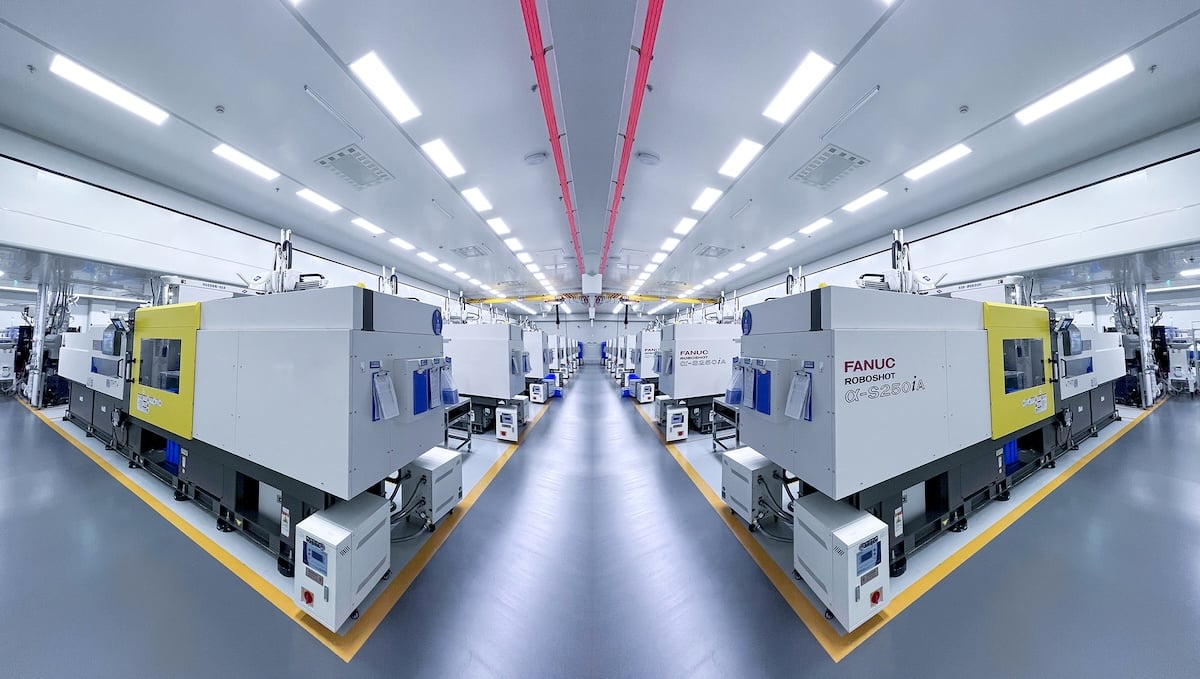
For laboratory supply distributors, choosing an OEM manufacturer is not a one-time sourcing decision. It affects catalog expansion, product consistency, customer trust, documentation readiness, and long-term margin structure.
A practical evaluation should answer one core question:
Can this manufacturer help you move from pilot SKUs to repeat supply without creating quality, delivery, or compliance risks?
Below is a practical checklist for distributors, importers, private-label brands, and OEM buyers evaluating a laboratory consumables manufacturing partner.
1. Product Portfolio Fit
Distributors should first check whether the manufacturer covers the product categories that match their catalog strategy.
Key product areas may include:
- Pipettes and pipette tips
- PCR tubes and PCR plates
- Deep-well plates
- Centrifuge tubes
- Sealing films
- Serological pipettes
- Selected cell culture consumables
A broad product portfolio allows distributors to build workflow-based bundles instead of sourcing every SKU from separate suppliers. This is especially important for distributors serving molecular biology, sample preparation, IVD, and general laboratory customers.
2. Manufacturing Scale and Mold Capability
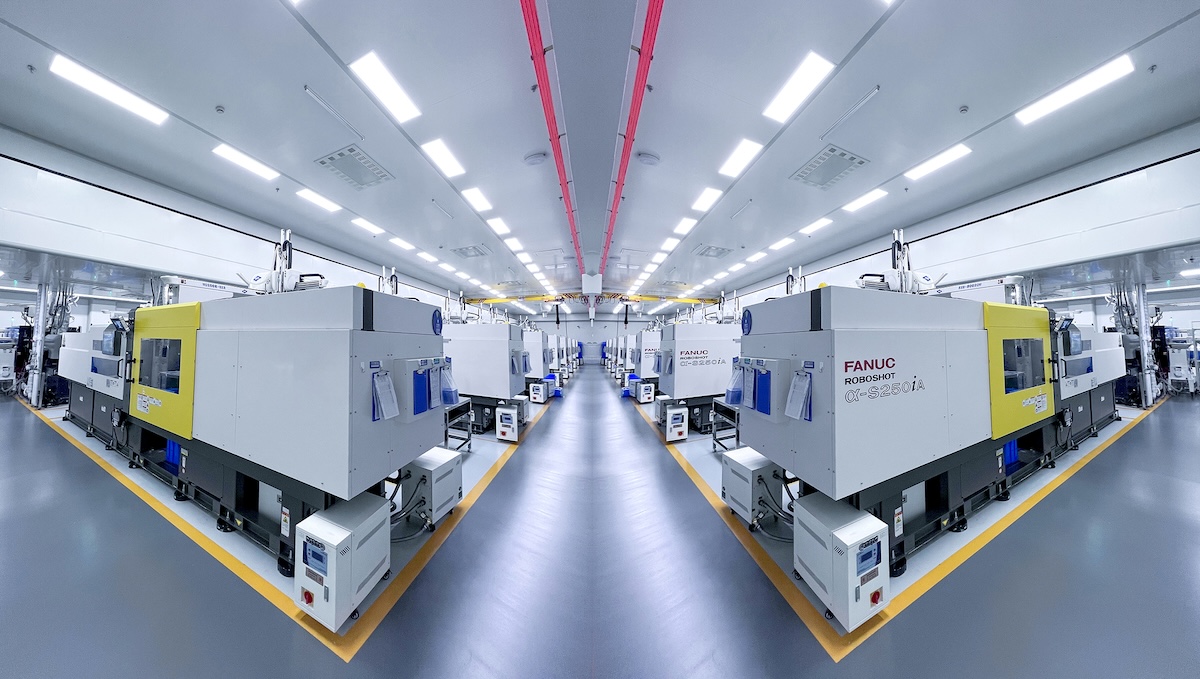
A reliable OEM manufacturer should provide clear information about its injection molding capacity, mold capability, and repeat supply readiness.
Key questions to ask include:
- How many injection molding machines are available?
- What is the injection molding tonnage range?
- How many mold sets are available?
- Are duplicate molds available for fast-moving SKUs?
- Can the supplier support repeat orders and annual volume planning?
For laboratory plastic consumables, mold capability matters because it affects product consistency, lead time, scale-up speed, and long-term supply stability.
3. Cleanroom and Production Environment
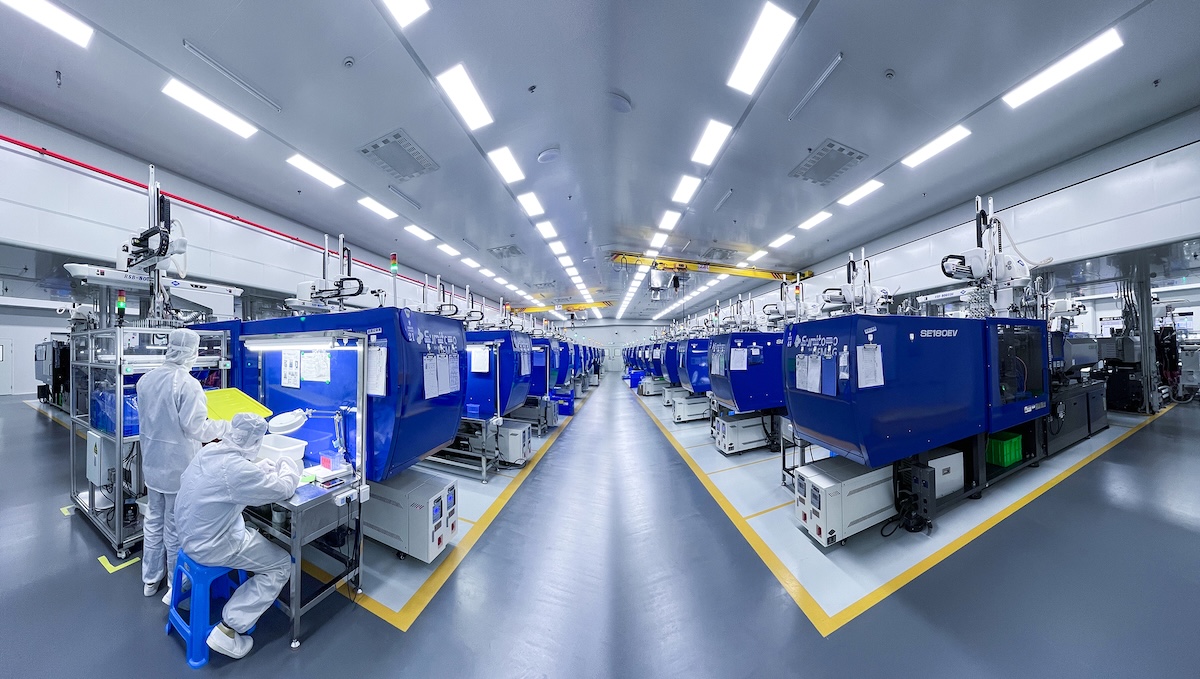
For lab consumables used in molecular biology, sample processing, and diagnostic workflows, the production environment matters.
Buyers should verify:
- Cleanroom classification
- Tested cleanroom area
- Covered production zones
- Temperature and humidity control
- Whether injection molding and assembly are covered
- Whether cleanroom testing reports are available
Avoid vague claims such as “medical-grade production” without supporting documentation. For OEM projects, the buyer should understand where the product is molded, assembled, packed, and inspected.
4. Quality System and Certification Scope
ISO certificates are useful, but buyers should read the certified scope carefully.
Important questions include:
- Does the supplier hold ISO 9001?
- Does the supplier hold ISO 13485?
- What exact products are covered by the certificate?
- Are the products sterile or non-sterile within the certified scope?
- What inspection process exists for IPQC and OQC?
A certificate is not only a logo. The certified scope determines what products and processes are actually covered. This is especially important for distributors importing products into regulated or semi-regulated markets.
5. Documentation and Claim Control
Distributors should not assume that every product is automatically RNase-free, DNase-free, endotoxin-free, sterile, or PCR inhibitor-free.
These claims require product-specific test reports or batch documentation.
Recommended documents may include:
- ISO certificates
- Cleanroom testing reports
- Product specification sheets
- Batch-related documents where applicable
- Sterilization documents where applicable
- Product-specific performance or contamination-control reports where required
The safest approach is to define documentation requirements during the RFQ stage, before packaging artwork, label claims, and order confirmation.
6. Private Label and Packaging Support
For distributors building their own catalog, packaging support is often as important as product manufacturing.
Check whether the supplier can support:
- Customer logo
- Product labels
- Cartons
- Barcodes
- Packaging language
- Instruction inserts
- SKU bundling
- Product-family packaging consistency
For private-label programs, packaging is not just decoration. It affects brand trust, shelf presentation, local compliance, warehouse handling, and customer reorder behavior.
7. Sampling and Trial Order Flexibility

A serious OEM supplier should support practical market validation before full-scale launch.
Evaluation questions include:
- Are standard samples available?
- Can packaging samples be supported?
- Can trial order quantity be discussed?
- How long does sample preparation take?
- How does the supplier move from pilot order to repeat supply?
Trial orders are especially useful for distributors testing new SKUs, private-label packaging, or local customer demand before committing to a larger catalog rollout.
8. Pilot-to-Scale Cooperation Model

The best distributor partnerships often start with selected pilot SKUs, then expand into broader catalog supply.
A practical cooperation model may look like this:
Pilot SKU selection → sample review → documentation check → packaging confirmation → first order → local stocking → repeat supply planning
This staged model helps both sides reduce risk. The distributor can validate customer demand, while the manufacturer can confirm production planning, packaging requirements, and repeat-order feasibility.
Conclusion
Evaluating an OEM lab consumables manufacturer is not only about unit price. The real question is whether the supplier can support a distributor’s catalog strategy, quality requirements, packaging needs, documentation expectations, and long-term repeat-order growth.
For distributors and private-label brands, the strongest manufacturing partners are those that can support both short-term pilot projects and long-term supply planning.
Ready to Evaluate Your OEM Lab Consumables Project?
Looking for a China-based OEM/ODM partner for laboratory consumables?
Send your product list, estimated annual volume, target market, and packaging requirements. Yuanzan can help evaluate product fit, sample availability, customization scope, and next steps for quotation.