
Cell Culture
Centrifuge Tubes in Cell Culture and Cell-Based Assays: Applications, Consumables, and Sourcing Checklist
Learn how 15 mL and 50 mL centrifuge tubes are used in cell culture, sample processing and cell-based assays. Compare standard and high-speed centrifuge tubes and request free samples.
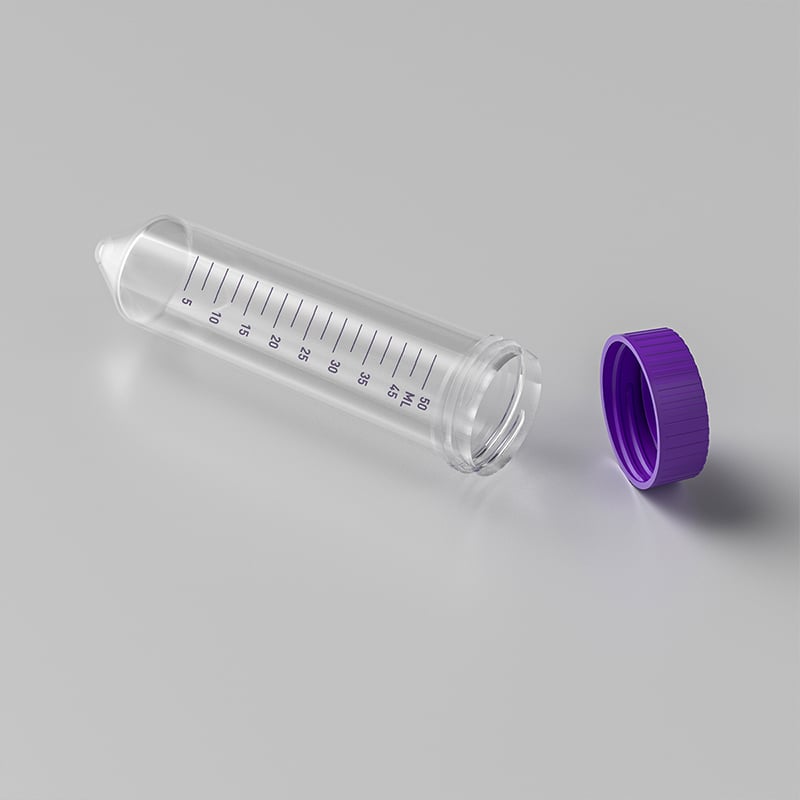
Centrifuge tubes are one of the most frequently used laboratory plastic consumables in cell culture, sample preparation, molecular biology, and cell-based assays.
For laboratories, they are not just simple containers. They are used in workflows involving cell suspension handling, washing, pelleting, reagent preparation, sample transfer, storage, and downstream analysis.
For distributors and OEM/private-label buyers, centrifuge tubes are also a strategic product category because they connect naturally with other high-frequency consumables, including pipette tips, serological pipettes, cell culture plates, PCR tubes, deep-well plates, and sealing films.
This article explains how centrifuge tubes are used in cell culture and cell-based assay workflows, what related consumables are commonly involved, and what buyers should check before sourcing these products.
Why Centrifuge Tubes Matter in Cell-Based Workflows
Cell-based experiments usually involve repeated liquid handling and sample processing steps.
Centrifuge tubes may be used for:
- Cell suspension preparation
- Cell washing
- Cell pelleting
- Buffer or reagent preparation
- Sample transfer
- Short-term sample holding
- Supernatant collection
- Sample processing before downstream testing
In many workflows, 15 mL and 50 mL conical centrifuge tubes are commonly used because they support routine sample handling, moderate-volume liquid transfer, and centrifugation steps.
For distributors, this makes centrifuge tubes a repeat-demand product category. They are often purchased together with other consumables used in cell culture and molecular biology workflows.
Example Workflow: Cell Viability or Cell-Based Assay Preparation
A typical cell-based assay may involve several groups of consumables.
The exact procedure depends on the cell type, assay kit, instrument, and laboratory protocol, but the consumable categories are often similar.
| Workflow Step | Related Consumables |
|---|---|
| Cell culture maintenance | Cell culture flasks, dishes, plates, serological pipettes |
| Medium or buffer handling | Serological pipettes, centrifuge tubes, reservoirs |
| Cell suspension preparation | Centrifuge tubes, pipette tips, filter tips |
| Washing or pelleting | 15 mL / 50 mL centrifuge tubes, microcentrifuge tubes |
| Seeding cells into assay plates | Pipette tips, cell culture plates, multi-well plates |
| Reagent addition | Pipette tips, reagent reservoirs, microcentrifuge tubes |
| Sample collection | Centrifuge tubes, microcentrifuge tubes, deep-well plates |
| Downstream molecular analysis | PCR tubes, PCR plates, sealing films, filter tips |
This is why centrifuge tubes should not be treated as an isolated product.
They are part of a broader cell culture and sample processing consumables system.
Standard Centrifuge Tubes vs High-Speed Centrifuge Tubes
Different laboratory workflows may require different centrifuge tube types.
Standard Centrifuge Tubes
Standard centrifuge tubes are commonly used for routine laboratory sample handling, cell culture workflows, reagent preparation, and general centrifugation needs.
Common formats include:
- 15 mL centrifuge tubes
- 50 mL centrifuge tubes
- Conical bottom tubes
- Sterile or non-sterile options
- Bulk or rack packaging options
High-Speed Centrifuge Tubes
High-speed centrifuge tubes are used when the workflow requires stronger centrifugation performance.
Buyers should check product-specific information such as:
- Maximum RCF
- Tube material
- Cap sealing performance
- Temperature range
- Sterile or non-sterile status
- Documentation availability
- Packaging format
For distributors and laboratories, the key is to match the tube type with the actual application. A tube used for routine cell culture handling may not require the same specifications as a tube used for high-speed centrifugation.
Related Consumables in Cell-Based Assays
A cell-based assay sourcing plan usually includes more than centrifuge tubes.
Distributors and laboratories may also need:
Liquid Handling Consumables
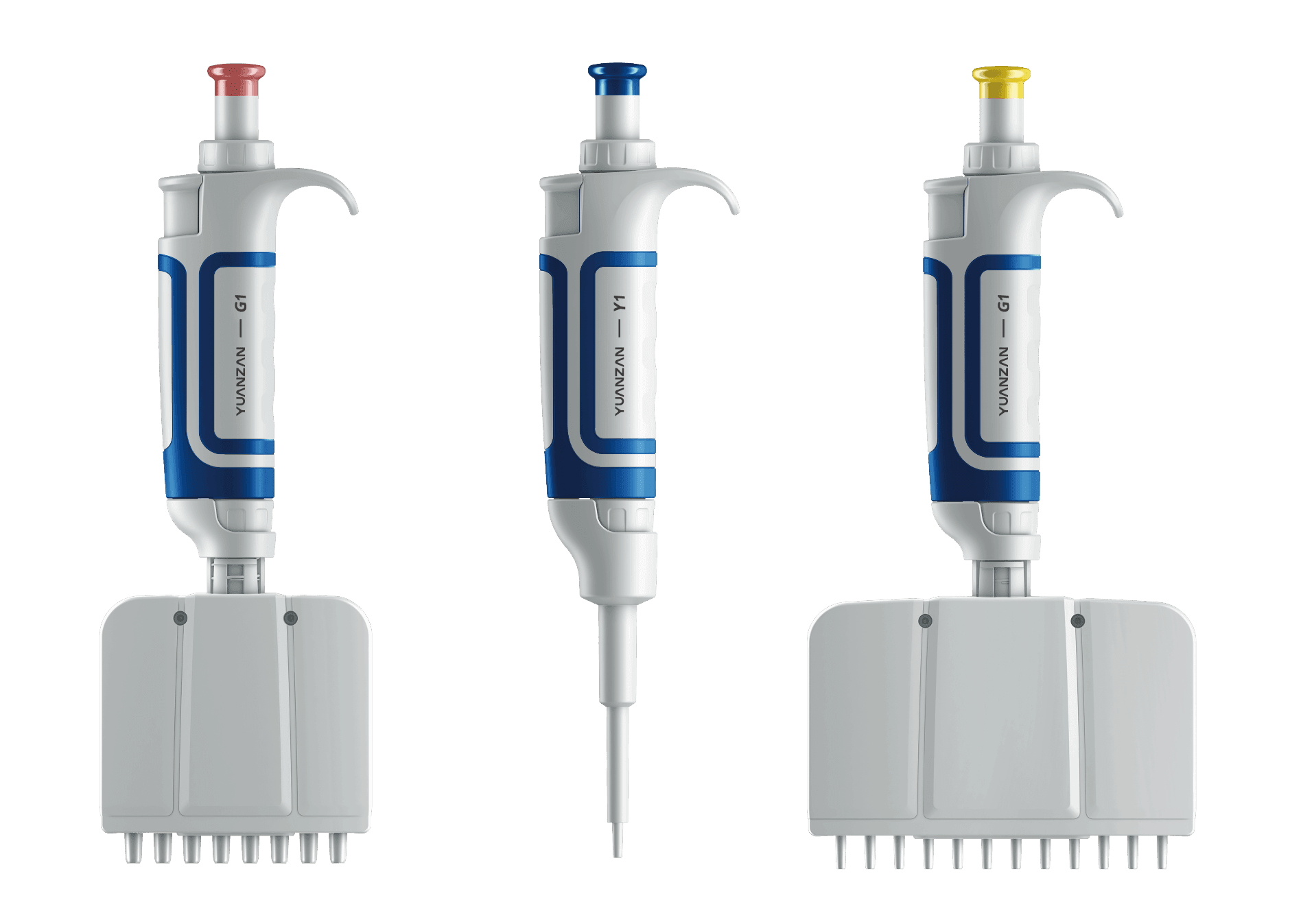 Manual Pipette Series
- Pipette tips
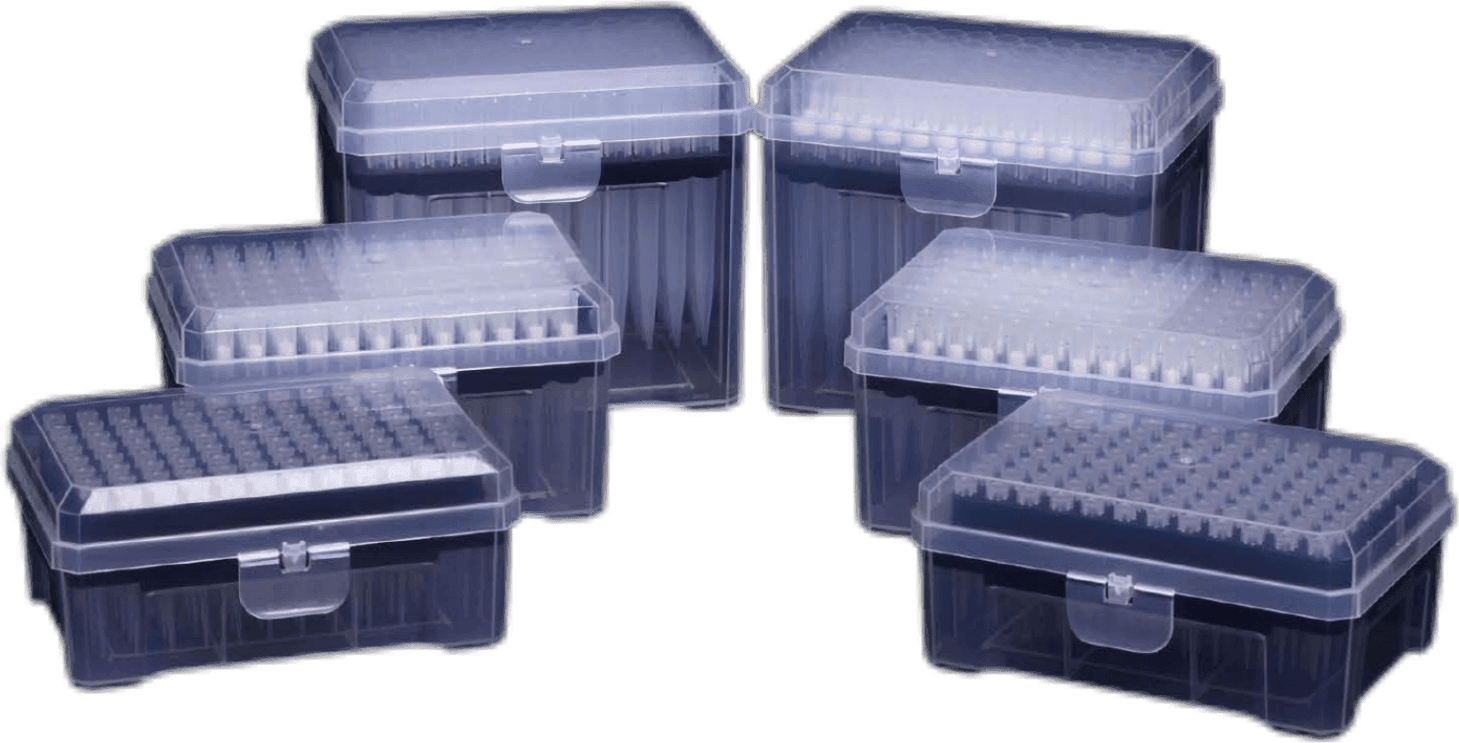 Universal Fit Pipette Tips
- Filter tips
- Low-retention tips
- Serological pipettes
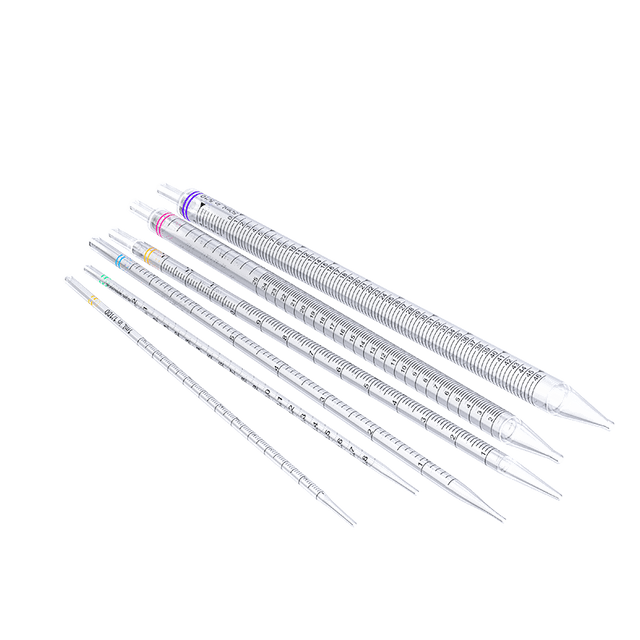 Serological Pipette
- Reagent reservoirs
Cell Culture Consumables
- Cell culture plates
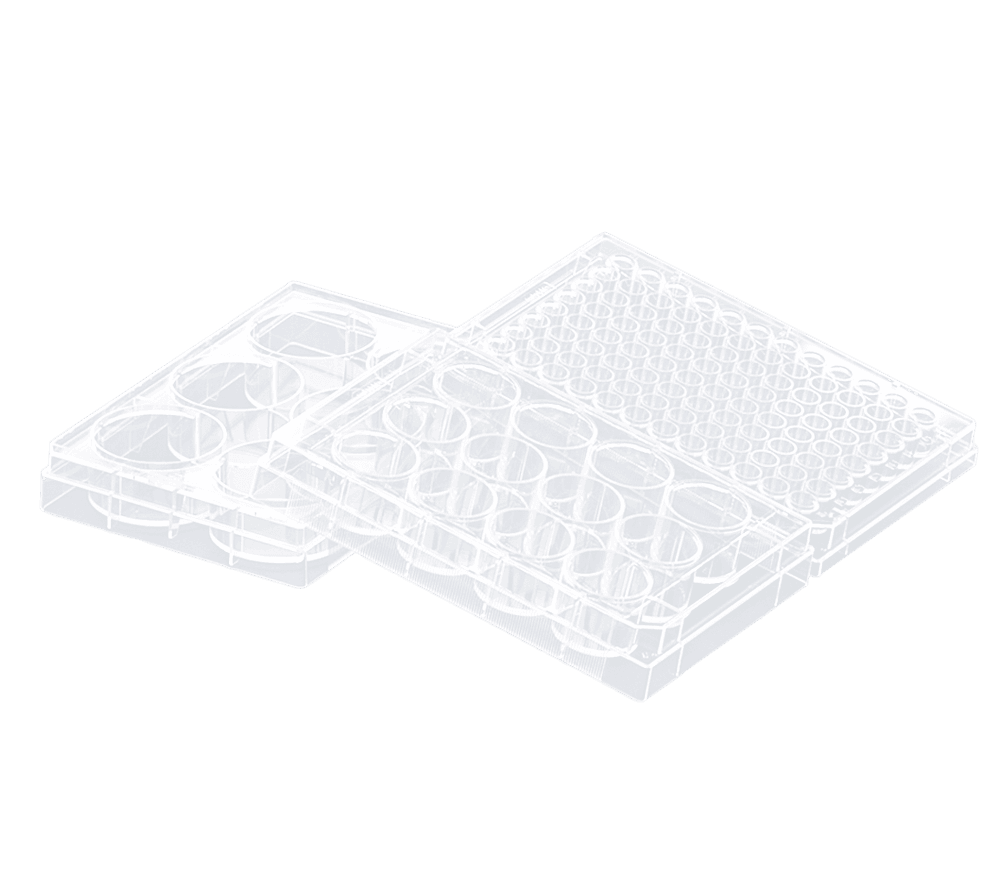 Cell Culture Plates
- Cell culture dishes
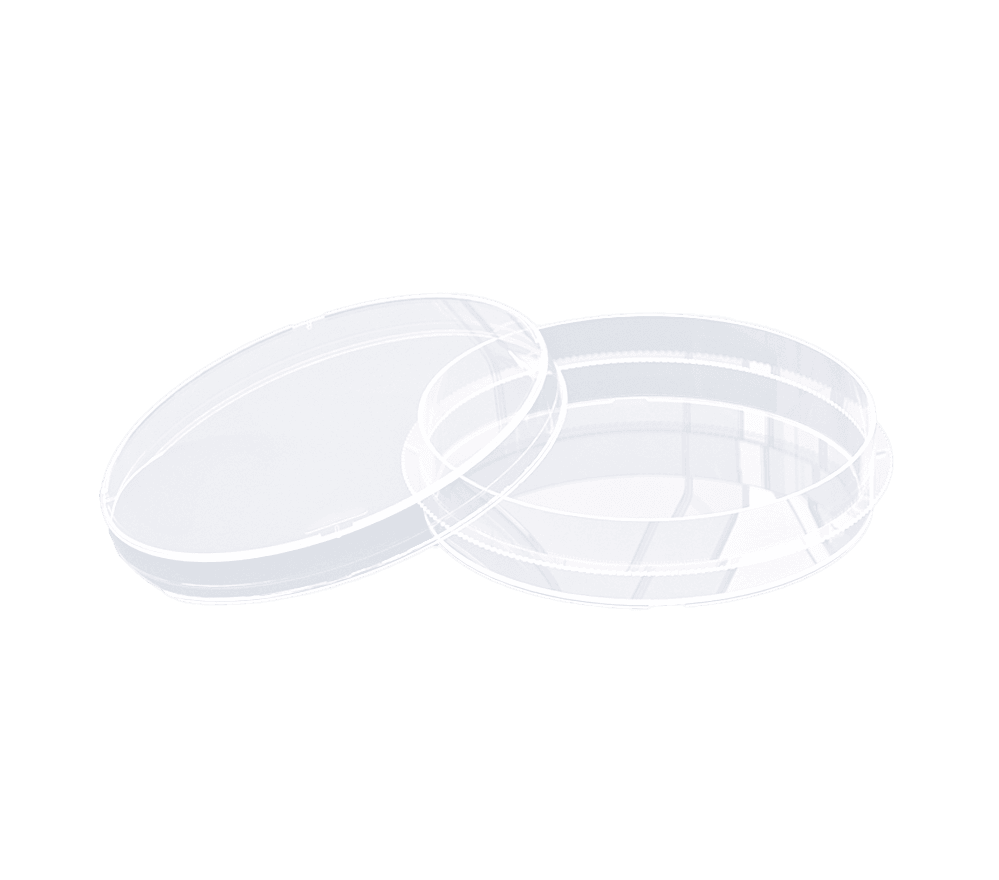 Cell Culture Dishes
- Cell culture flasks
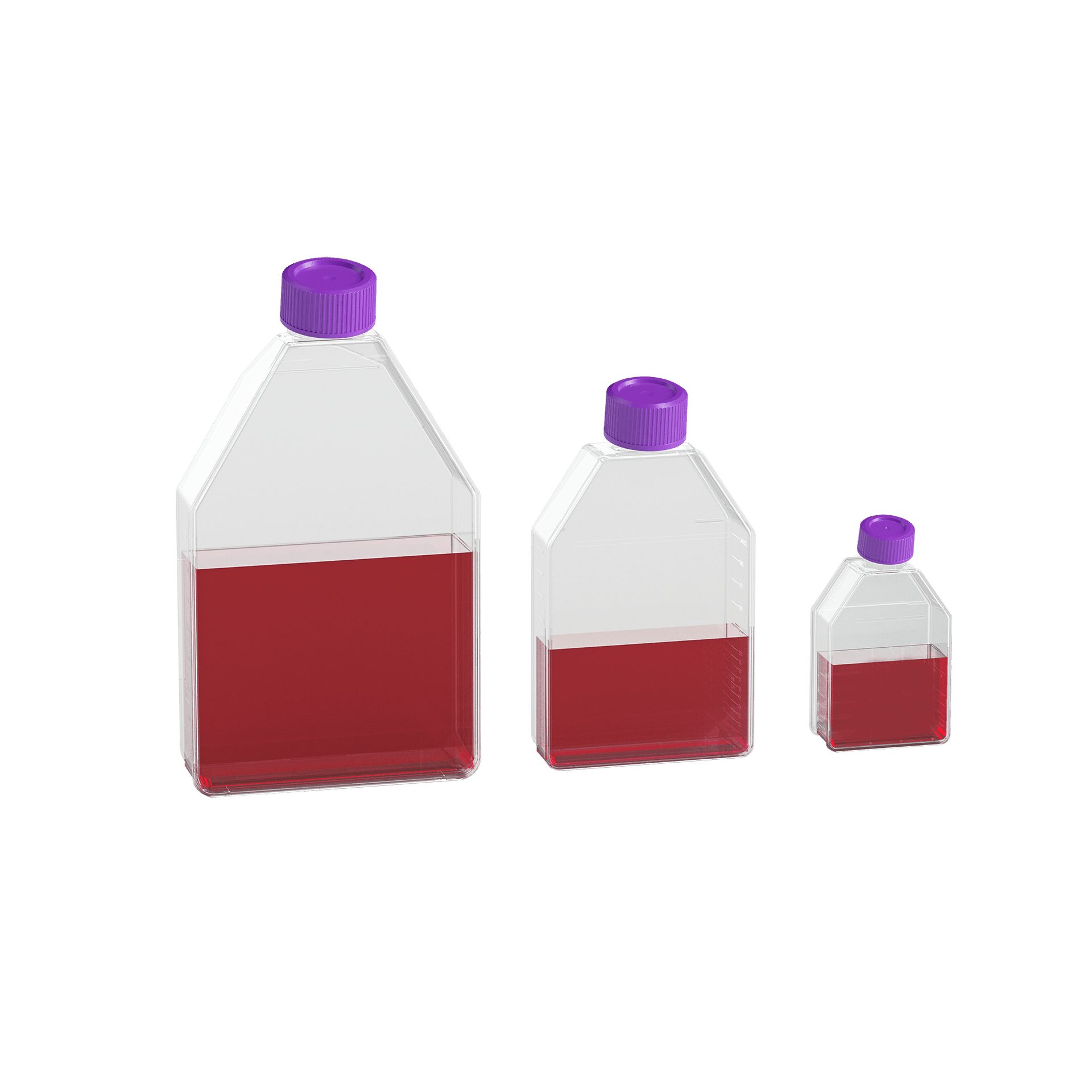 Cell Culture Flasks
- Multi-well plates
Sample Processing Consumables
- Centrifuge tubes
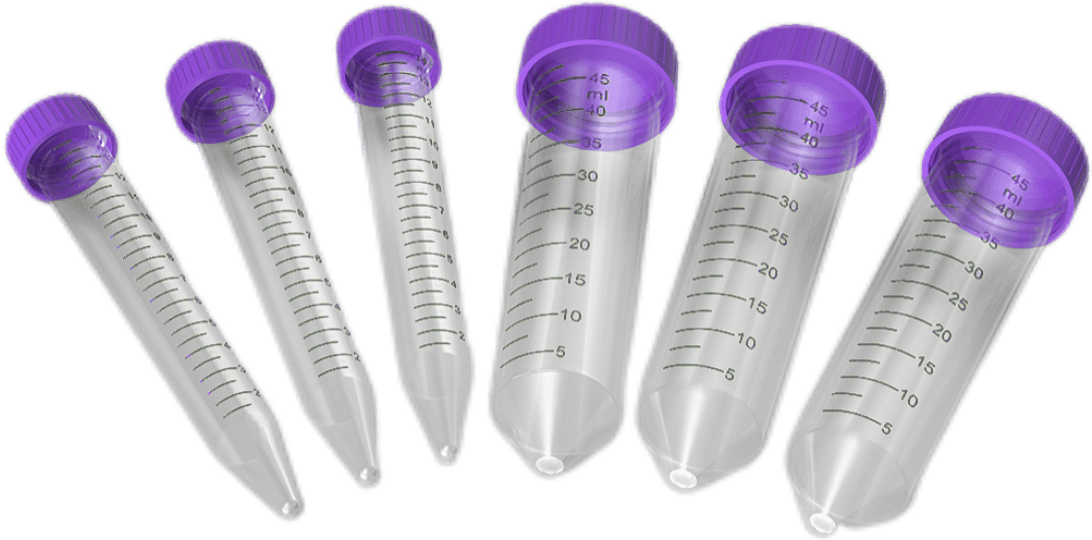 Conventional Centrifuge Tube
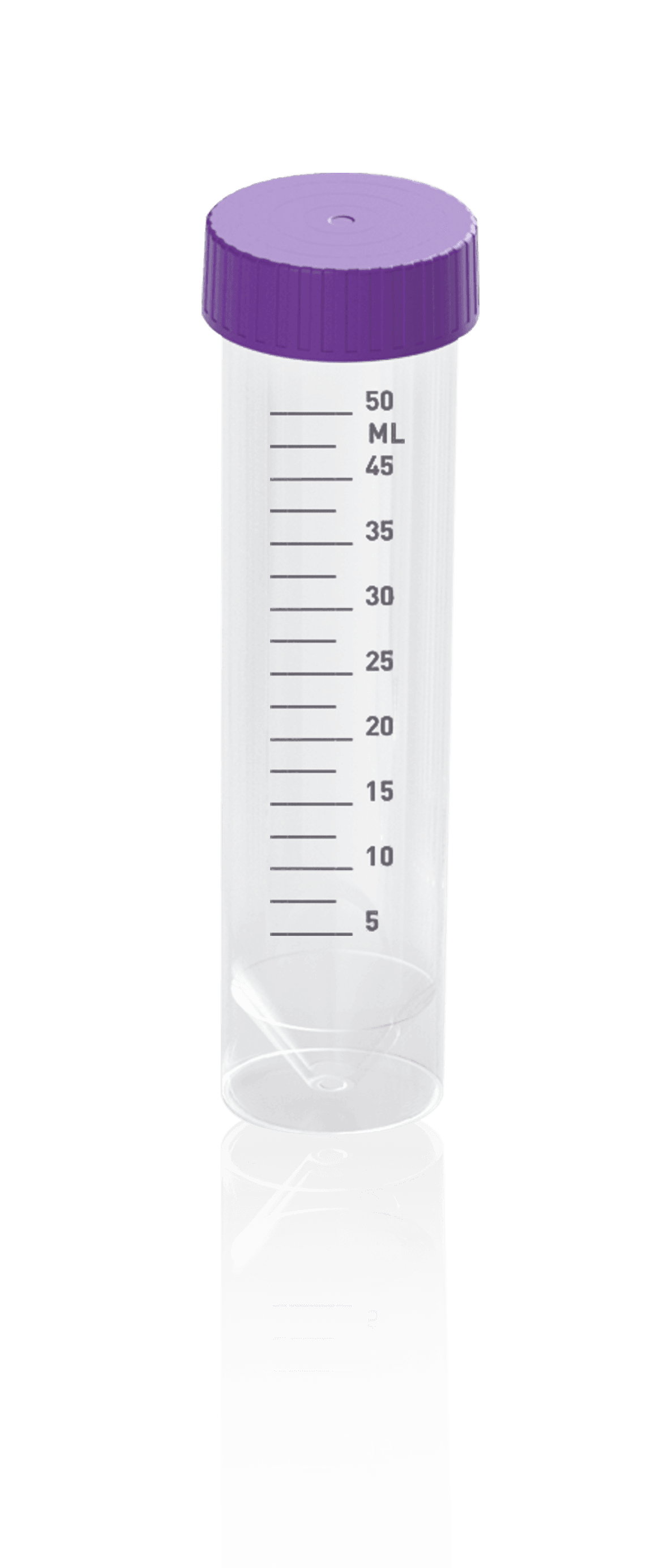 Self Standing Centrifuge Tube
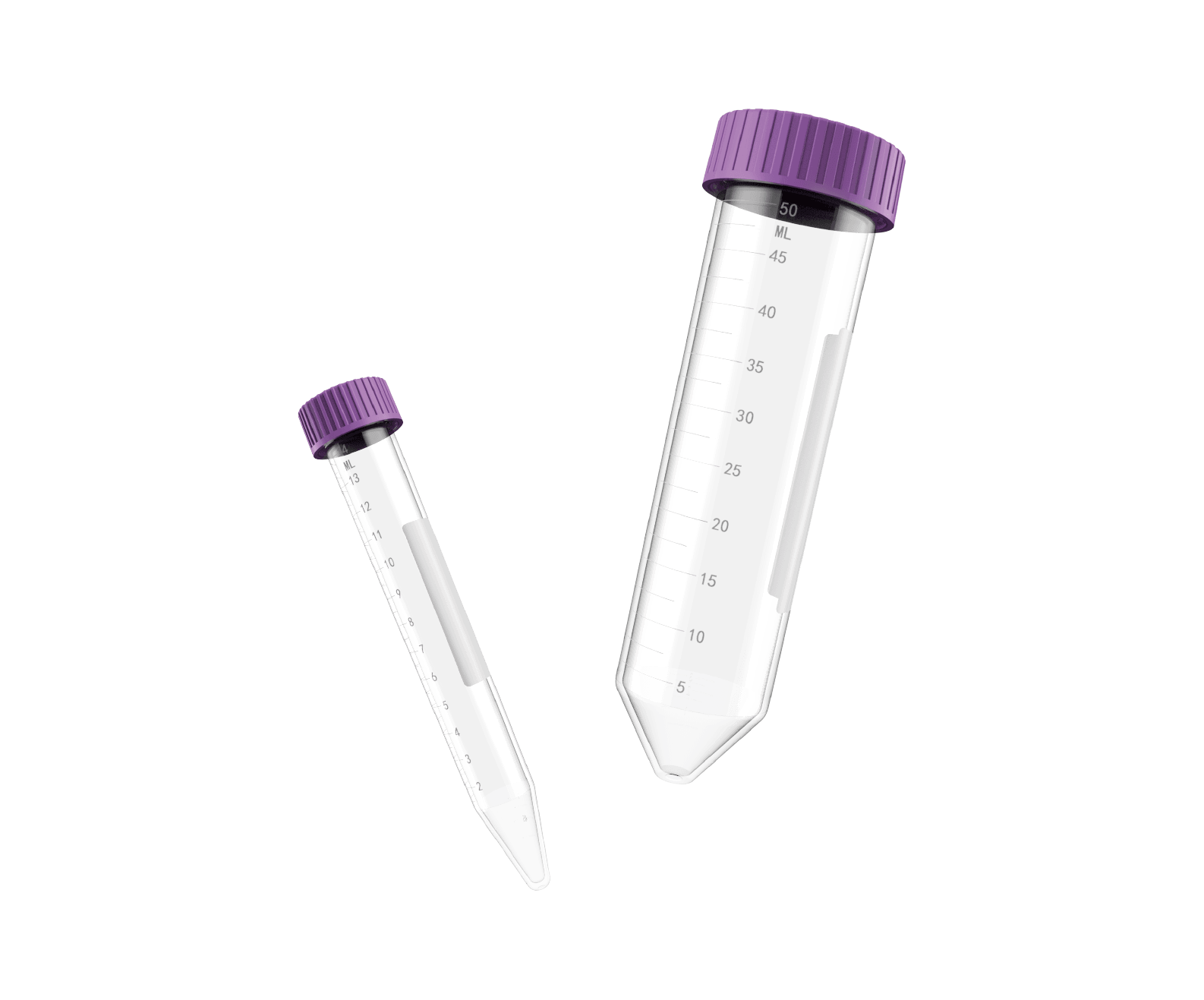 20000xg High-Speed Centrifuge Tube
- Microcentrifuge tubes
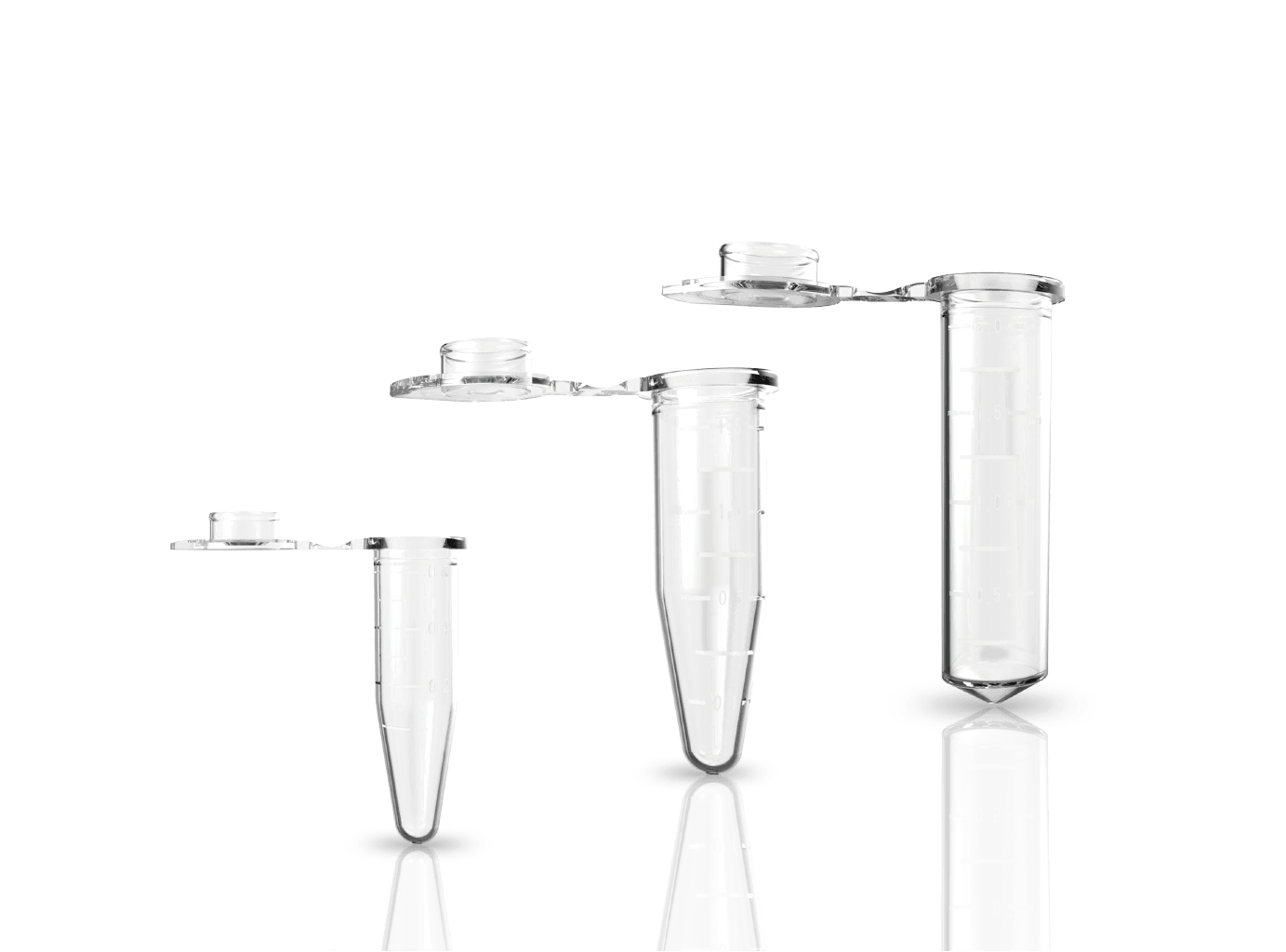 Microcentrifuge Tube
- Deep-well plates
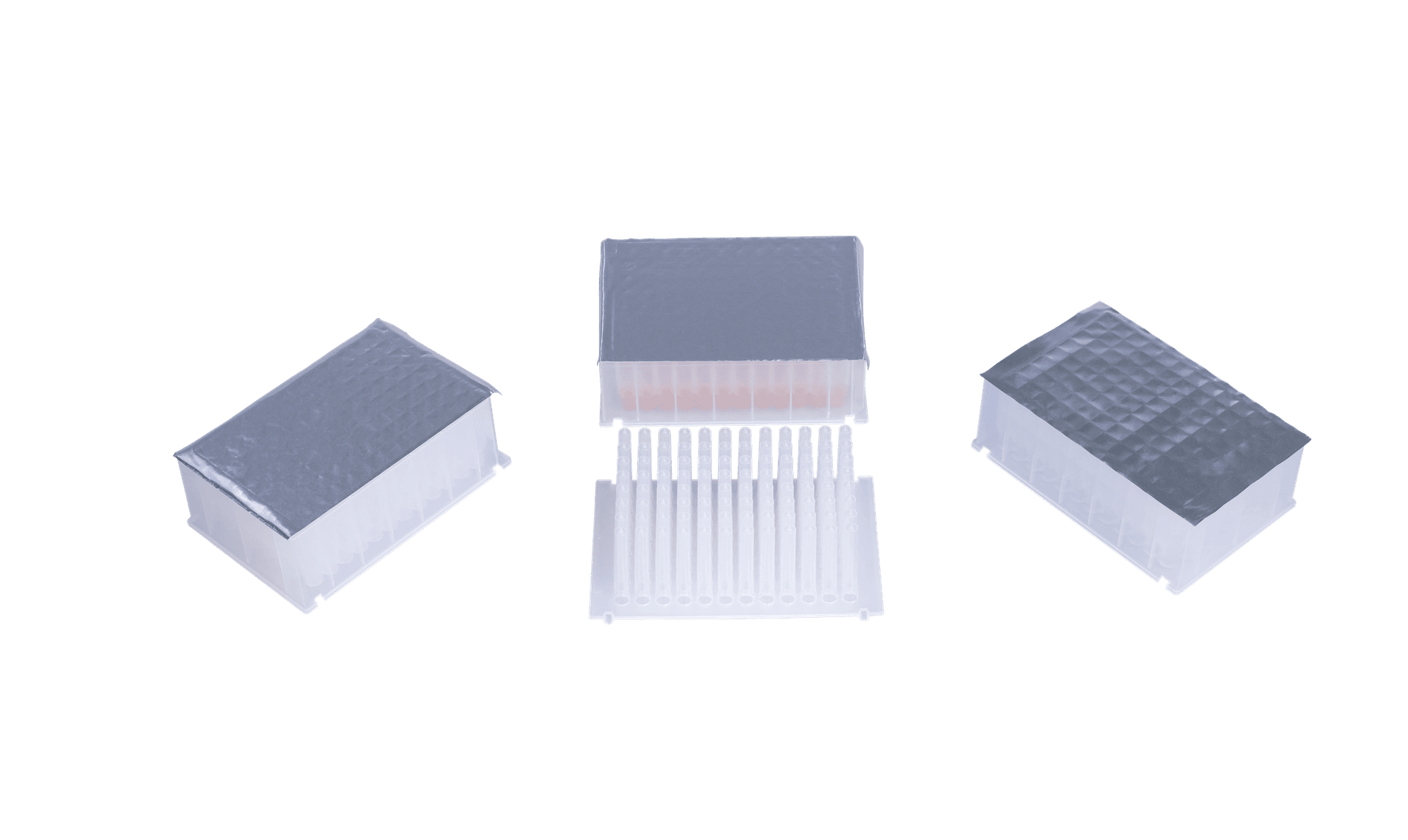 Deep Well Plate
- Sample storage consumables
Molecular Biology Consumables
- PCR tubes
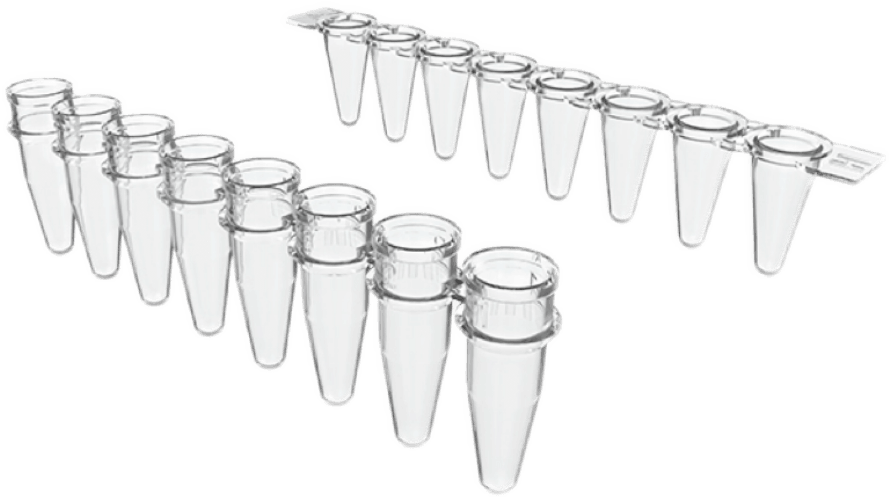 PCR 8-Strip Tube
 PCR Single Tube
- PCR plates
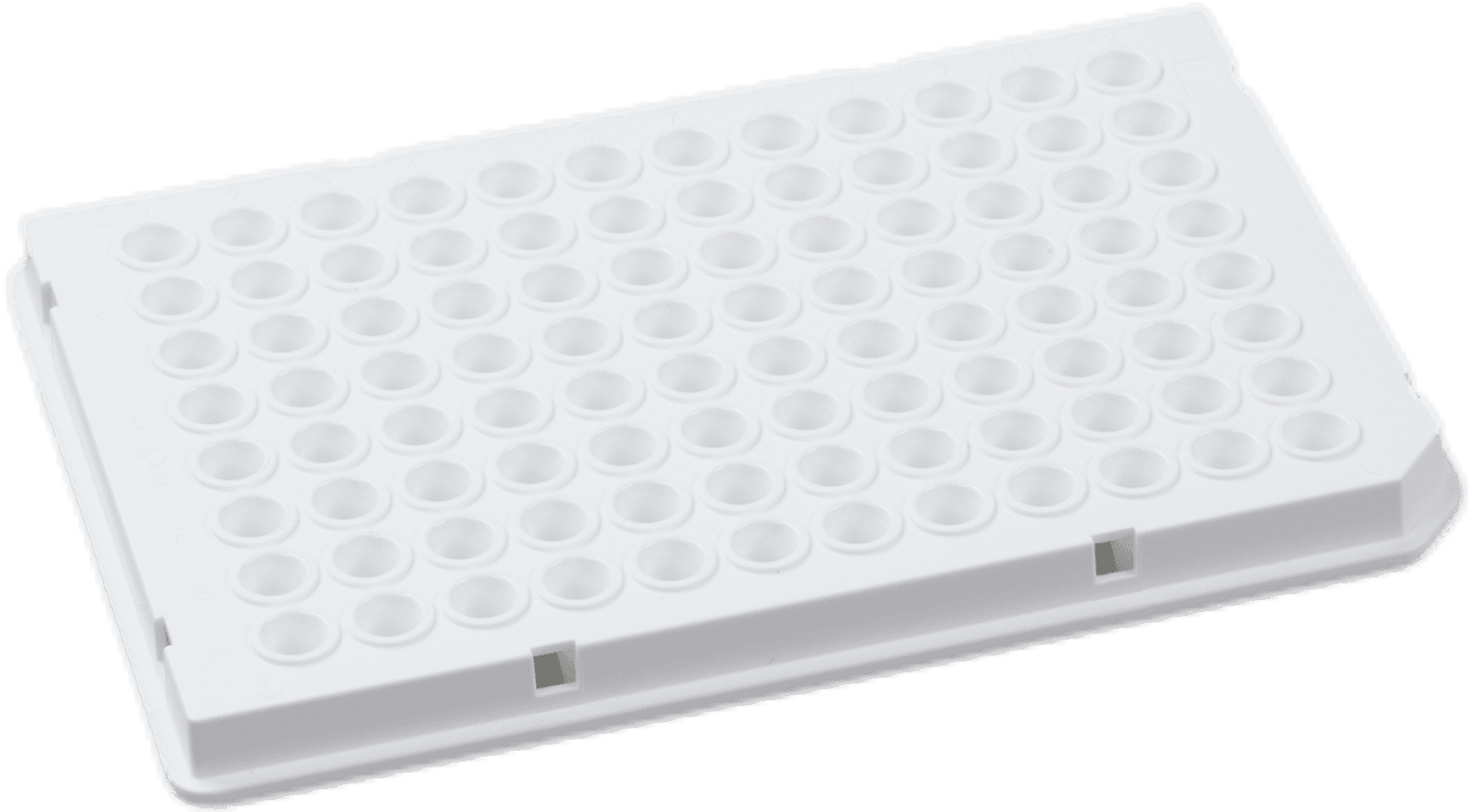 PCR Plate
- Optical sealing films
 Sealing Film
- Deep-well plates
- Filter tips
For distributors, this creates an opportunity to build workflow-based product bundles instead of selling isolated SKUs.
For example:
Cell culture workflow: flasks + serological pipettes + centrifuge tubes + pipette tips
Sample processing workflow: centrifuge tubes + microcentrifuge tubes + deep-well plates
Molecular analysis workflow: PCR plates + sealing films + filter tips + PCR tubes
Documentation and Claim Control
For cell culture and cell-based assay consumables, documentation should be clarified before purchase.
Buyers may request:
- ISO certificates
- Product specification sheets
- Material information
- Packaging specifications
- Sterilization-related documents where applicable
- Product-specific documents based on claims
- FDA-related information where applicable
Special claims should be handled carefully.
Claims such as sterile, RNase-free, DNase-free, endotoxin-free, pyrogen-free, non-cytotoxic, or PCR inhibitor-free should only be used when supported by product-specific documentation or batch-level evidence.
For private-label projects, this is especially important because unsupported claims printed on packaging may create downstream risk for distributors.
Sample Evaluation Before Bulk Orders
Before sourcing centrifuge tubes or related cell culture consumables in bulk, buyers should request samples.
Sample evaluation can help check:
- Product appearance
- Tube clarity
- Cap sealing
- Graduation readability
- Packaging format
- Sterile or non-sterile options
- Fit with laboratory workflow
- Documentation availability
- Private-label packaging feasibility
A practical sourcing path may look like this:
Sample request -> product review -> documentation check -> packaging confirmation -> pilot order -> repeat supply planning
This staged approach helps laboratories and distributors reduce sourcing risk before committing to larger orders.
How Yuanzan Supports Centrifuge Tube and Cell-Based Workflow Buyers
Yuanzan supports selected laboratory plastic consumables for cell culture, sample processing, molecular biology, liquid handling, and OEM/private-label cooperation.
Related product categories may include:
| Application Area | Related Yuanzan Product Categories |
|---|---|
| Cell culture support | Selected cell culture consumables, serological pipettes, pipette tips |
| Sample processing | Centrifuge tubes, microcentrifuge tubes, high-speed centrifuge tubes |
| Liquid handling | Manual pipettes, pipette tips, filter tips, low-retention tips |
| Molecular biology | PCR tubes, PCR plates, sealing films, deep-well plates |
| OEM/private label | Logo, label, carton, barcode, packaging language, SKU family packaging |
| Documentation support | ISO certificates, product specifications, cleanroom information, sterilization-related documents where applicable |
Yuanzan can support free sample requests for selected products. Sterile and non-sterile sample options can be discussed based on product category and evaluation needs.
Conclusion
Centrifuge tubes are essential consumables in cell culture, sample processing, and cell-based assay workflows.
For laboratories, they support routine sample handling and workflow consistency. For distributors and OEM/private-label buyers, they are a repeat-demand product category that connects naturally with pipette tips, serological pipettes, cell culture consumables, PCR consumables, and deep-well plates.
The strongest sourcing strategy is not to evaluate centrifuge tubes alone, but to evaluate the broader workflow: product fit, documentation, packaging, samples, and repeat supply.
FAQ
Can I use Corning Falcon, Thermo Fisher, Nunc, Greiner Bio-One, Sarstedt, VWR, or Fisher Scientific products as reference SKUs?
Yes. Buyers may upload reference SKUs, catalog pages, product photos, or technical datasheets from existing catalog brands for internal sample matching and project evaluation.
Brand names are used only as market reference examples. Yuanzan is not affiliated with these brands.
Can Yuanzan provide centrifuge tube samples for comparison with Falcon-style 15 mL or 50 mL conical tubes?
Yuanzan can review your reference product category, volume format, tube geometry, cap design, packaging format, sterile status, and documentation requirements, then recommend available centrifuge tube samples for evaluation.
Can Yuanzan support cell culture consumables similar to products from Corning, Greiner Bio-One, NEST Scientific, CELLTREAT, or SPL?
Yuanzan supports selected cell culture-related laboratory plastic consumables. Buyers can upload reference SKUs or catalog pages to help evaluate product category fit, sample availability, packaging requirements, and documentation needs.
Can Yuanzan provide centrifuge tube samples?
Yes. Yuanzan can support free sample requests for selected centrifuge tubes and related laboratory plastic consumables. Sterile and non-sterile sample options can be discussed based on product category and evaluation needs.
Can Yuanzan support OEM or private-label centrifuge tubes for distributors?
Yes. OEM and private-label cooperation can be discussed based on product type, volume format, packaging requirements, target market, MOQ, documentation needs, and repeat supply planning.
What documents should buyers request?
Buyers may request ISO certificates, product specifications, material information, cleanroom information, sterilization-related documents, FDA-related information where applicable, and product-specific documents based on claims.
Are all centrifuge tubes sterile, RNase-free, DNase-free, or endotoxin-free?
Not by default. Claims such as sterile, RNase-free, DNase-free, endotoxin-free, pyrogen-free, non-cytotoxic, or PCR inhibitor-free should be confirmed with product-specific documentation or batch-level evidence where applicable.
Need Centrifuge Tubes or Cell Culture Workflow Consumables?
Yuanzan supports selected centrifuge tubes, high-speed centrifuge tubes, cell culture consumables, liquid handling consumables, PCR consumables, and OEM/private-label projects.