
Sourcing Strategy
Clarifying Swab Tube Use Before Contacting Suppliers: Cost, Configuration, and China Sourcing Strategy
Before contacting swab tube suppliers, learn how to clarify application, specification, sterility, packaging, documentation, annual usage, and mixed shipment needs to evaluate China sourcing cost-reduction potential more accurately.

Before contacting swab tube suppliers, buyers should clarify one thing first:
What exactly will the swab tube be used for?
A swab tube for environmental sampling, microbiology, sample collection, molecular diagnostics, kit assembly, or general laboratory use may require different materials, sterility status, packaging, labeling, documentation, and cost structure.
The goal is not only to find a cheaper supplier.
The goal is to reduce total procurement cost while keeping product quality, documentation, and supply flexibility under control.
For buyers currently purchasing through large catalog distributors, China-based sourcing can often support more flexible configuration, private-label packaging, mixed consumables shipment, and cost reduction.
1. Clarify the Swab Tube Configuration Before Requesting a Quote
A vague RFQ such as "Please quote swab tube" usually leads to inaccurate pricing.
Before asking for a quote, buyers should define:
| Requirement Area | What to Confirm |
|---|---|
| Application | Environmental sampling, microbiology, molecular diagnostics, general lab, kit assembly |
| Product format | Dry tube, swab + tube set, sample collection tube, transport tube |
| Swab type | Cotton, polyester, flocked, foam, rayon, or buyer-specified material |
| Medium | No medium, saline, buffer, transport medium, or custom solution |
| Sterility | Sterile, non-sterile, pre-sterilized, or sterilization after packing |
| Packaging | Individual pouch, bulk pack, kit pack, private-label carton |
| Labeling | Barcode, lot number, product name, language, customer logo |
| Documents | ISO certificates, product specification, sterilization documents, FDA-related information |
| Volume | Trial order, monthly usage, annual forecast, mixed shipment needs |
This step is critical because cost changes dramatically depending on product configuration.
A sterile swab + tube set with individual packaging and documents is not the same cost structure as a non-sterile dry tube or bulk-packed sampling component.
2. Cost Benchmark: Why Buyers Look Beyond Large Catalog Suppliers
Large catalog suppliers are useful for local stock, standardized ordering, and broad product availability. But their pricing often includes brand premium, local warehouse cost, distributor margin, catalog infrastructure, and service overhead.
Public price signals show the gap. Fisher Scientific lists Fisherbrand swab/tube applicators at examples such as $655 / pack of 200 for friction cap and $674-$834 / pack of 200 for screw cap variants, which is roughly $3.28-$4.17 per unit. Some Made-in-China swab transport product examples show FOB price signals around $0.035-$0.038 per piece, but these are not exact same-spec comparisons.
Buyers should therefore compare by full specification, not only headline price:
- Swab material
- Tube design
- Medium or no medium
- Sterility status
- Packaging format
- Documentation level
- MOQ
- Freight
- Duty
- Local warehousing
- Target market requirements
The sourcing opportunity is real, but the comparison must be controlled.
3. Realistic Cost Reduction Expectation
For buyers currently sourcing through large catalog distributors, China-based supply may reduce cost significantly.
A practical expectation:
| Sourcing Scenario | Expected Cost Reduction Potential |
|---|---|
| Simple sampling tube or non-sterile component | 50-80% |
| Sterile swab + tube set with standard packaging | 40-70% |
| Private-label swab tube kit with documents | 30-60% |
| Custom medium or regulated-market product | 20-50% |
| Small trial order with air freight | 10-30% initially |
A safer public-facing claim is:
Many buyers can target 30-60% total procurement cost reduction when specifications, annual usage, packaging, and shipment planning are properly defined.
Example:
| Annual Usage | Current Unit Cost | Current Annual Spend | 40% Reduction | 60% Reduction |
|---|---|---|---|---|
| 50,000 units | $2.00 | $100,000 | $40,000 saved | $60,000 saved |
| 100,000 units | $2.00 | $200,000 | $80,000 saved | $120,000 saved |
| 250,000 units | $2.00 | $500,000 | $200,000 saved | $300,000 saved |
| 500,000 units | $2.00 | $1,000,000 | $400,000 saved | $600,000 saved |
Cost reduction should not come from lowering quality.
It should come from direct sourcing, packaging optimization, flexible order planning, reduced channel layers, and better annual-volume planning.
4. Flexible Shipment: A Key Difference from Large Supply Chains
Large catalog suppliers are strong when buyers need standardized local stock.
But they are often less flexible when buyers need:
- Small pilot runs
- Mixed SKU shipment
- Private-label packaging
- Custom barcode or carton format
- Sterile and non-sterile sample comparison
- Combined shipment with related consumables
- Trial order before full launch
- Annual forecast-based cost optimization
A flexible China-based manufacturing partner can help buyers combine swab tubes or sample collection products with related lab consumables, such as:
-
Centrifuge tubes
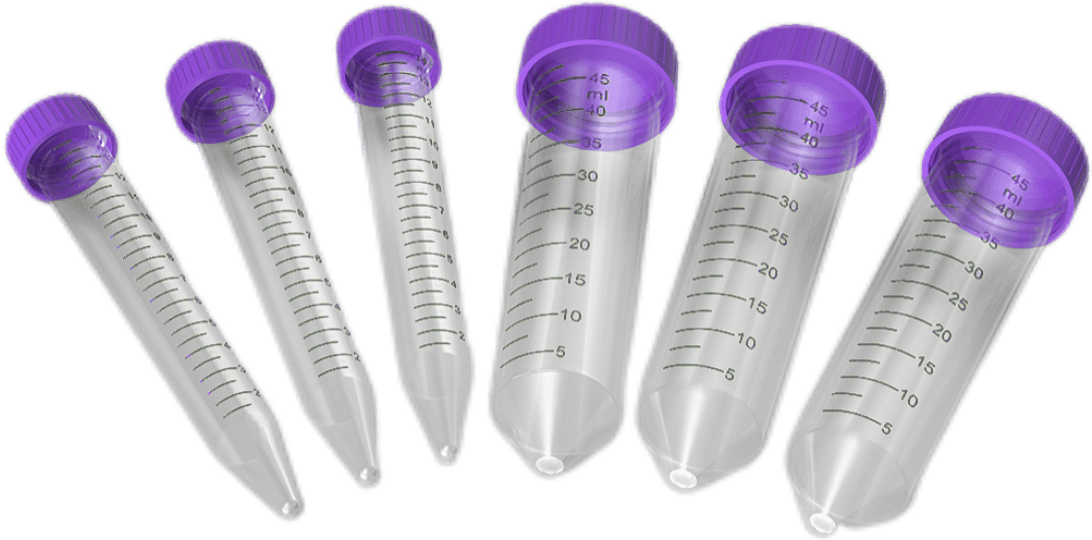 Conventional Centrifuge Tube
-
Microcentrifuge tubes
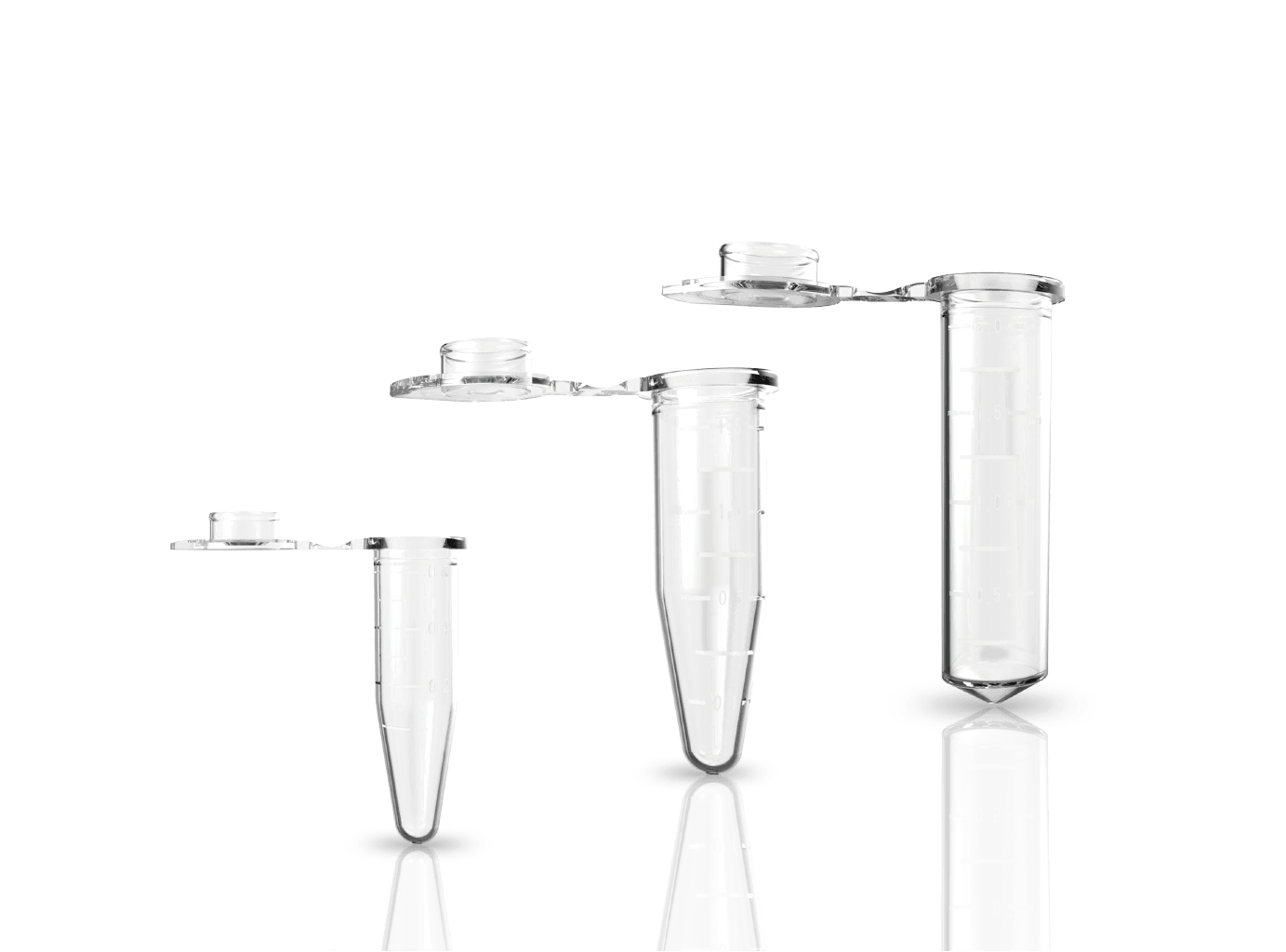 Microcentrifuge Tube
-
Pipette tips
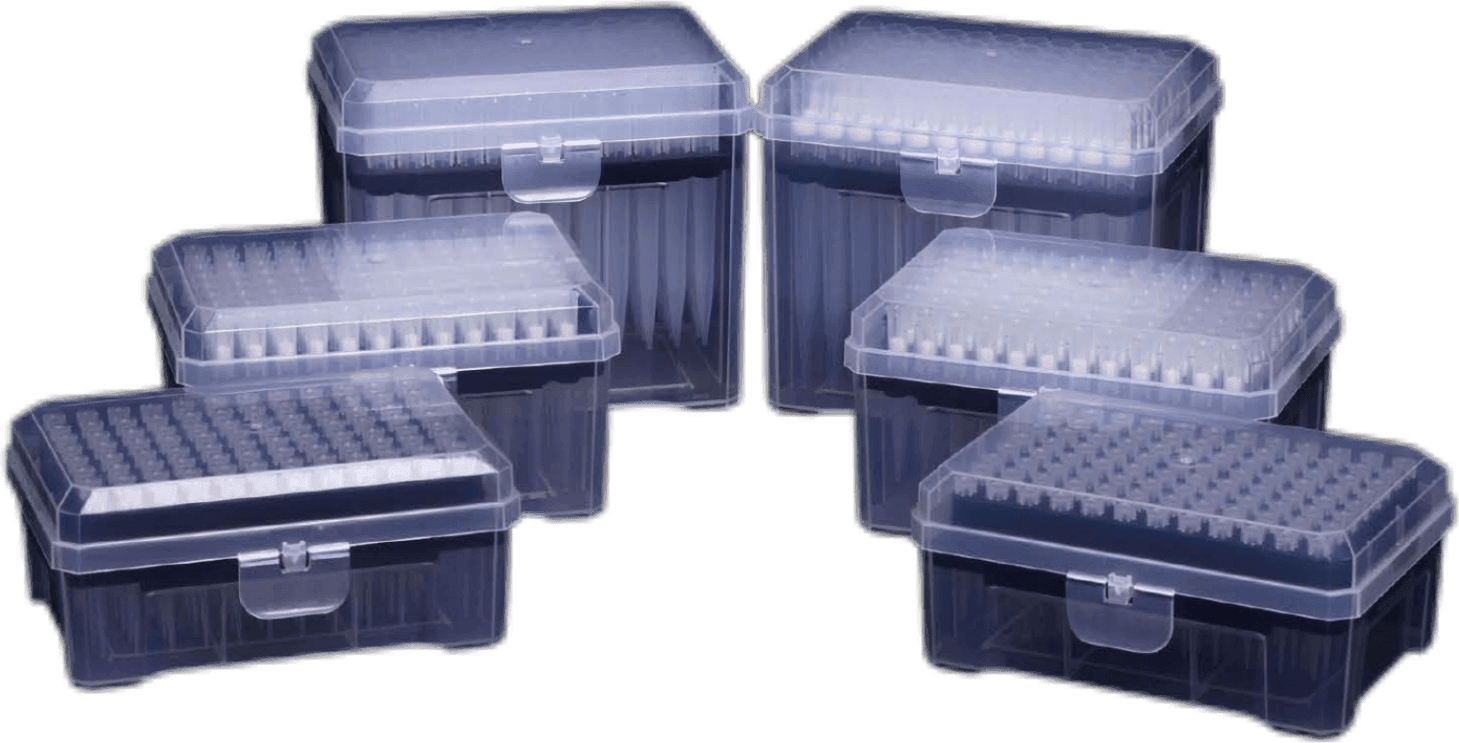 Universal Fit Pipette Tips
-
Filter tips
-
PCR tubes
 PCR 8-Strip Tube
-
PCR plates
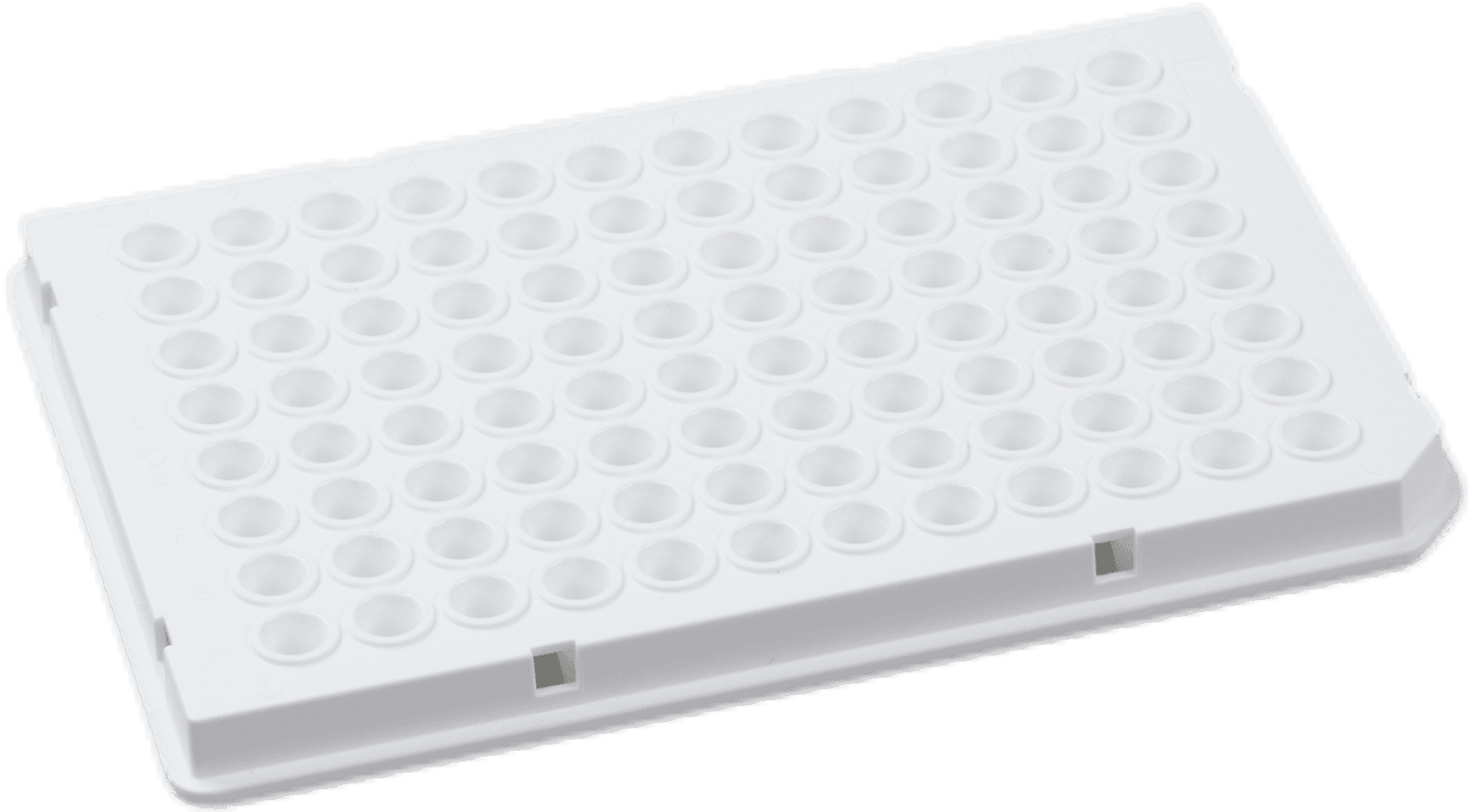 PCR Plate
-
Deep-well plates
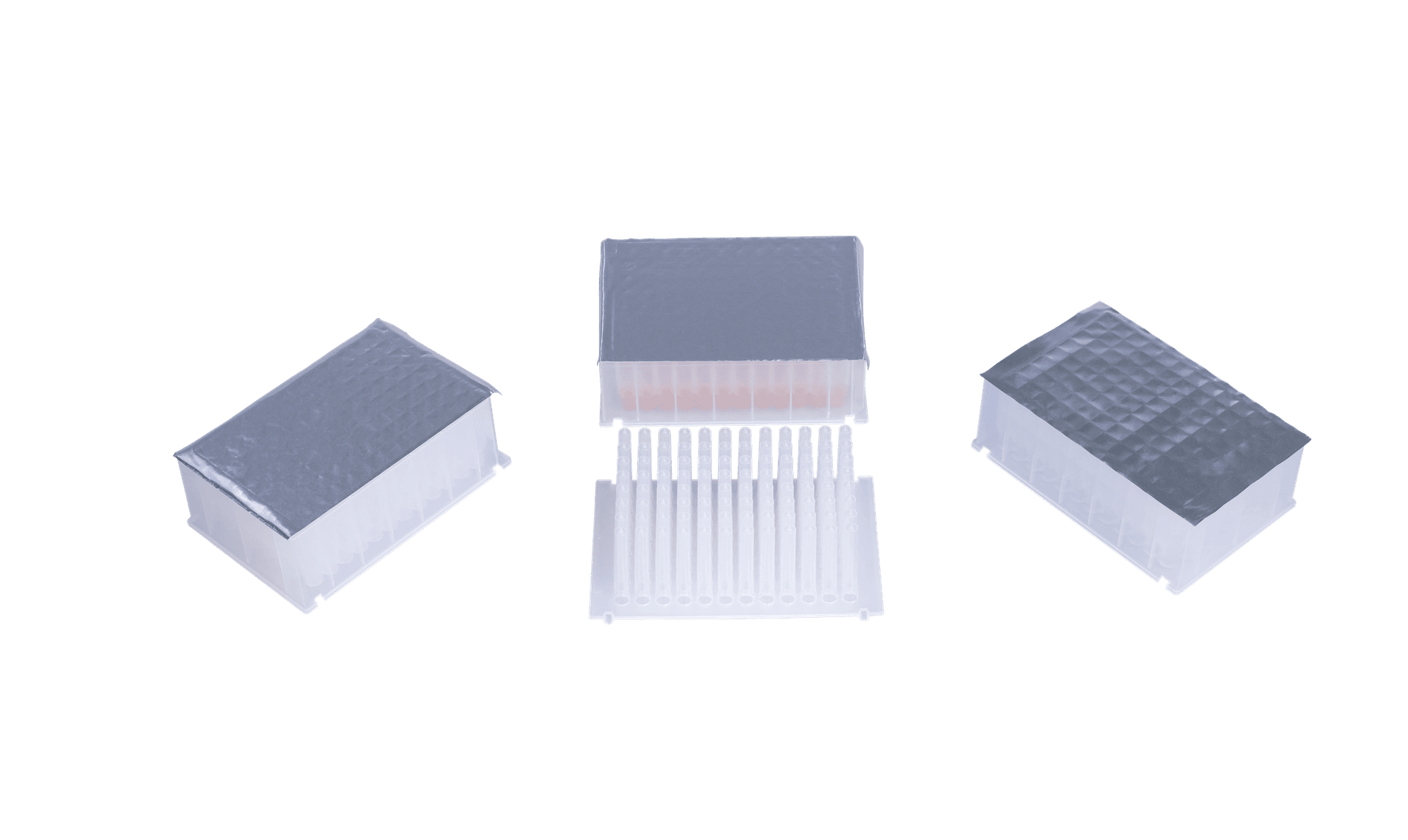 Deep Well Plate
-
Sealing films
 Sealing Film
-
Sample storage consumables
This matters for distributors, OEM buyers, and lab supply brands because they usually do not source only one product.
They need a practical shipment plan across related consumables.
5. Lower Cost Should Not Mean Lower Quality
Lower cost does not have to mean lower quality.
Quality should be maintained through a controlled sourcing process:
- Define the application
- Confirm product configuration
- Request samples
- Compare sterile and non-sterile options
- Review product specifications
- Confirm documentation requirements
- Check packaging and labeling
- Start with a pilot order
- Monitor customer feedback
- Scale based on repeat-order performance
A better RFQ is not:
Please quote swab tube.
A better RFQ is:
Please quote sterile swab + tube set for sample collection, individually packed, with product specification, sterilization documents, barcode label option, annual demand of 100,000 units, and private-label packaging possibility.
This allows the supplier to quote accurately and helps the buyer avoid quality mismatch.
6. What to Submit for a Cost Review
Before switching suppliers, buyers should prepare a simple sourcing file.
| Information Needed | Example |
|---|---|
| Current supplier | Fisher Scientific, VWR, Thermo Fisher, BD, Copan, Puritan, local distributor |
| Current SKU | Catalog number or product link |
| Current unit price | USD / piece or USD / pack |
| Annual usage | 50,000 / 100,000 / 250,000+ units |
| Product configuration | Dry tube, swab + tube set, with or without medium |
| Sterility | Sterile or non-sterile |
| Packaging | Bulk, individual pouch, kit pack, private label |
| Target market | US, EU, LATAM, APAC, Middle East, etc. |
| Required documents | ISO, sterilization, FDA-related information, product specification |
| Related consumables | Tubes, tips, PCR consumables, deep-well plates, sealing films |
With this information, Yuanzan can evaluate:
- Product category fit
- Sample availability
- Sterile or non-sterile sample options
- Documentation requirements
- Private-label packaging
- Flexible mixed shipment planning
- Trial order feasibility
- Expected cost-reduction range
Conclusion
Swab tube sourcing should start with application clarification, not price comparison.
The right supplier should help buyers define product configuration, compare cost structure, request samples, confirm documentation, optimize packaging, and plan flexible shipment with related consumables.
For buyers currently sourcing through large catalog distributors, China-based supply can often reduce total procurement cost by 30-60% in realistic OEM/private-label or distributor sourcing scenarios, while keeping quality controlled through specifications, samples, documentation, and repeat supply planning.
FAQ
What should I clarify before contacting a swab tube supplier?
Clarify application, swab type, tube type, sterile or non-sterile status, packaging format, documentation requirements, target market, annual volume, and whether private-label packaging is needed.
Why do swab tube prices vary so much?
Prices vary because product configuration differs. Swab material, tube design, transport medium, sterilization, packaging, documentation, MOQ, freight, distributor margin, and target market requirements all affect cost.
How much can buyers save by sourcing swab tubes from China?
For buyers currently purchasing through large catalog distributors, realistic cost reduction may range from 30-60% for many OEM/private-label or distributor sourcing projects. Simple high-volume components may achieve higher savings, while highly regulated or customized products may have lower savings.
Does lower cost mean lower quality?
No. Lower cost should come from direct manufacturing supply, packaging optimization, flexible order planning, annual-volume planning, and reduced channel layers. Quality should be maintained through samples, specifications, documentation, and batch consistency control.
Can Yuanzan support sterile and non-sterile samples?
Yes. Sterile and non-sterile sample options can be discussed based on product category and evaluation needs.
Can I upload a current supplier SKU from Thermo Fisher, Fisher Scientific, VWR, BD, Copan, Puritan, or other catalog brands?
Yes. Buyers may upload reference SKUs, catalog pages, product photos, or technical datasheets from existing catalog brands for internal sample matching and sourcing evaluation.
Brand names are used only as market reference examples. Yuanzan is not affiliated with these brands.
Can swab tubes be shipped together with other lab consumables?
Yes. Flexible shipment planning can be discussed for selected laboratory consumables, including centrifuge tubes, microcentrifuge tubes, pipette tips, PCR tubes, PCR plates, deep-well plates, sealing films, and sample processing consumables.
What documents should buyers request?
Buyers may request product specifications, material information, sterilization-related documents, ISO certificates, cleanroom information where applicable, FDA-related information where applicable, packaging specifications, and product-specific documents based on claims.
Want to Reduce Swab Tube and Sample Collection Consumables Cost?
Upload your current product reference, annual usage, packaging requirement, and target market.
Yuanzan can help evaluate sample availability, sterile or non-sterile options, documentation needs, flexible shipment configuration, and cost-reduction potential.