
Application Workflows
Reducing Cost and Waste in HPV Molecular Diagnostics: A Procurement Guide for Clinical Laboratories
Learn how clinical laboratories can optimize cost and waste in HPV molecular diagnostics through sample processing consumables, swab tubes, pipette tips, PCR consumables, packaging, supplier selection, and workflow planning.
Introduction
As HPV molecular testing volumes increase, clinical laboratories face growing pressure to improve workflow efficiency while controlling operational cost and plastic consumable waste.
Many laboratories focus first on instruments and reagents. However, daily molecular diagnostics workflows also depend on recurring consumables, including sample tubes, swab tubes, pipette tips, filter tips, centrifuge tubes, PCR tubes, PCR plates, sealing films, deep-well plates, and storage consumables.
Cost and waste optimization does not always require a major workflow redesign.
In many cases, laboratories and distributors can improve efficiency by standardizing consumables, matching packaging to testing volume, reducing repeat handling, validating supplier samples, and consolidating related product categories through reliable sourcing partners.
Yuanzan does not provide clinical diagnostic services. Yuanzan supports selected laboratory consumables, PCR-related products, liquid handling products, sample processing consumables, reagents, lyophilized reagent options, and OEM/private-label cooperation based on product category and project scope.
1. Quick Answer: How Can HPV Testing Laboratories Reduce Cost and Waste?
HPV molecular diagnostics workflows can generate recurring cost and plastic waste through sample collection, liquid handling, nucleic acid preparation, PCR or molecular assay setup, sealing, storage, and repeat testing.
Clinical laboratories can reduce cost and waste by:
-
standardizing tube, tip, and plate formats
-
using packaging formats that match testing volume
-
reducing unnecessary individual packaging where appropriate
-
validating consumables before switching suppliers
-
selecting suitable filter tips, tubes, plates, and sealing products
-
reducing repeat testing caused by poor workflow fit
-
consolidating related consumables into fewer supplier programs
-
planning purchasing based on annual testing volume
The goal is not simply to buy cheaper consumables.
The goal is to reduce total workflow cost while maintaining consistent sample handling, documentation control, and supply reliability.
2. What Consumables Are Used in HPV Molecular Diagnostics?
HPV molecular diagnostics workflows vary by testing platform, sample type, automation level, laboratory throughput, and local protocol.
However, common consumables may include:
| Workflow Stage | Common Consumables |
|---|---|
| Sample collection | Swab tubes, collection tubes, sample tubes |
| Sample accessioning | Labels, barcodes, storage tubes |
| Sample transfer | Pipette tips, filter tips, low-retention tips |
| Sample preparation | Microcentrifuge tubes, centrifuge tubes, deep-well plates |
| Nucleic acid processing | Tubes, plates, reservoirs, automation-compatible consumables |
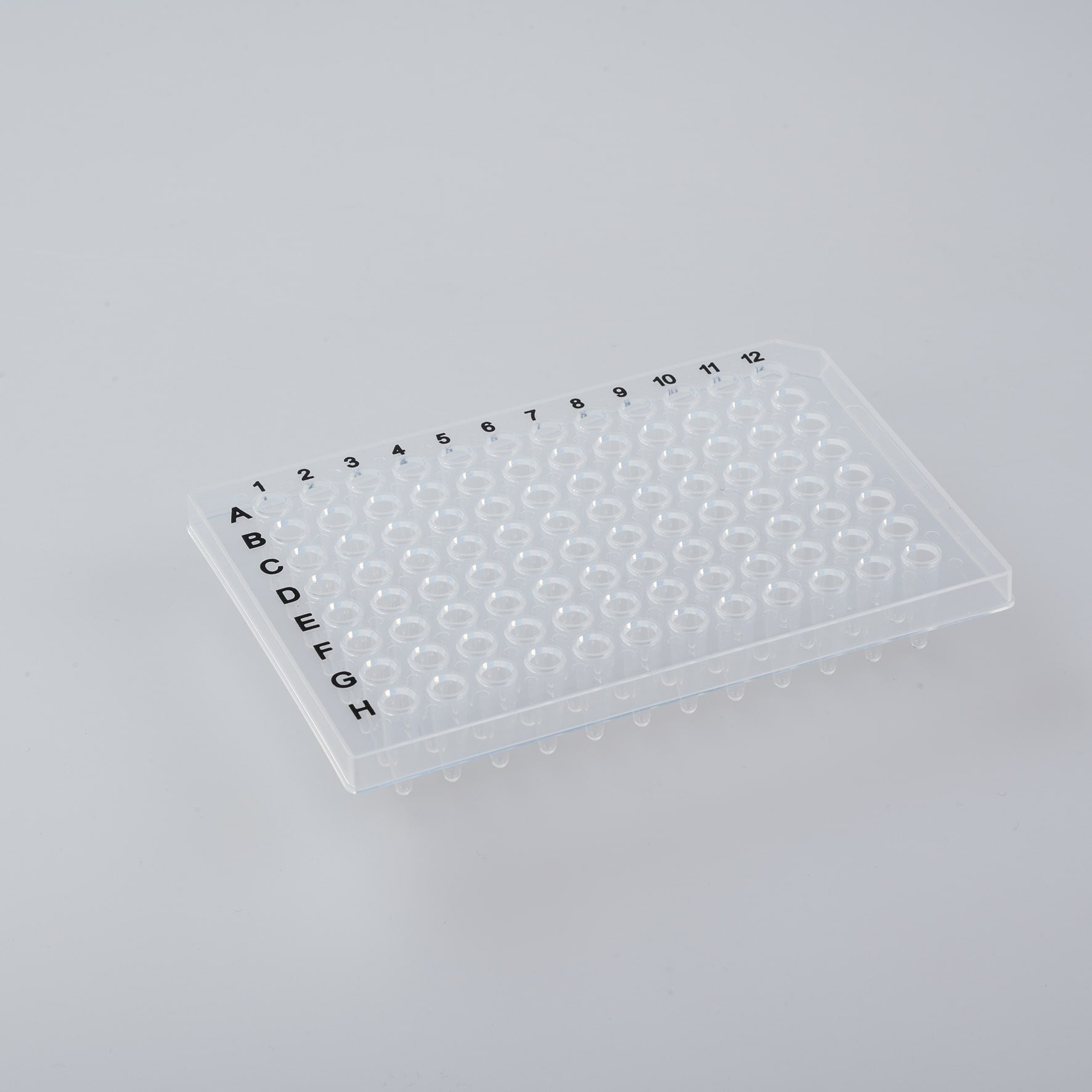
| PCR / molecular assay setup | PCR tubes, 8-strip PCR tubes, PCR plates |
| Sealing and reaction protection | Caps, optical sealing films, adhesive sealing films |
| Storage and retention | Sample storage tubes, racks, sealing products |
| Kit or workflow packaging | Labels, cartons, barcodes, packaging language |
For procurement teams, this means HPV testing consumables should not be evaluated as isolated SKUs.
They should be evaluated as a complete molecular diagnostics workflow.
3. Where Cost and Waste Appear in HPV Molecular Diagnostics
Sample Collection and Processing
HPV molecular diagnostics often begin with sample collection, transfer, and preparation.
Waste and cost may increase when sample tubes, swab tubes, transfer consumables, or storage formats do not match the testing workflow.
Common issues include:
-
unnecessary tube transfers
-
excess packaging
-
inconsistent sample handling
-
poor labeling or barcode fit
-
sample rejection or recollection
-
inefficient storage format
The exact requirements depend on the testing method, sample type, platform, and laboratory protocol.
Liquid Handling Operations
Pipette tips, filter tips, pipettes, reservoirs, tubes, and plates are used repeatedly during sample preparation, nucleic acid processing, and assay setup.
In high-throughput laboratories, small inefficiencies can become meaningful annual cost drivers.
Examples include:
-
excessive tip use
-
dead volume in tubes or reservoirs
-
poor liquid recovery
-
repeated transfers
-
unnecessary packaging waste
-
incorrect tip or tube format for the workflow
PCR and Molecular Assay Setup
PCR tubes, 8-strip PCR tubes, PCR plates, sealing films, and caps are recurring consumables in many molecular workflows.
Cost and waste may increase when:
-
the plate format does not match testing volume
-
sealing performance is inconsistent
-
evaporation or leakage causes repeat testing
-
optical compatibility is not evaluated where required
-
packaging format does not match daily throughput
Repeat Testing and Sample Retention
Failed runs, contamination events, inconsistent sample handling, poor sealing, or workflow mismatch may require repeat testing.
Repeat testing increases:
-
reagent consumption
-
labor time
-
pipette tip usage
-
tube and plate consumption
-
storage burden
-
plastic waste
Reducing repeat testing is one of the most important indirect ways to reduce consumable waste.
4. Practical Optimization Levers
1. Standardize Tube, Tip, and Plate Formats
Using fewer formats can reduce inventory complexity and make procurement easier to manage.
For example, laboratories may standardize around selected sample tube formats, filter tip types, PCR plate formats, or sealing products where workflow compatibility allows.
Standardization can help reduce:
-
inventory fragmentation
-
purchasing complexity
-
training burden
-
stock errors
-
slow-moving items
2. Match Packaging to Testing Volume
Different packaging formats serve different laboratory needs.
| Packaging Format | Best Fit |
|---|---|
| Bulk packaging | High-volume users seeking lower unit cost |
| Rack-packaged tips | Workflows that need convenience and organization |
| Individually wrapped products | Applications requiring individual protection or specific sterile handling |
| Private-label cartons | Distributors and OEM programs |
| Mixed SKU shipment | Buyers consolidating multiple workflow consumables |
High-volume laboratories may benefit from bulk or rack formats where appropriate.
Smaller laboratories may prefer smaller pack sizes to reduce expired or unused stock.
3. Reduce Dead Volume and Repeat Handling
Consumable format should match sample volume and assay workflow.
Poorly matched tubes, tips, reservoirs, or plates may increase:
-
residual liquid
-
transfer steps
-
handling time
-
repeat pipetting
-
sample loss
-
workflow waste
For molecular diagnostics workflows, this is especially relevant when working with limited sample volume or small reaction volumes.
4. Use Filter Tips Where Contamination Control Matters
Filter tips are commonly used in molecular workflows to reduce aerosol-related contamination risk during liquid handling.
Buyers should confirm whether filter tips are needed for:
-
sample transfer
-
nucleic acid preparation
-
PCR setup
-
molecular assay workflow
-
low-volume liquid handling
-
automated or semi-automated workflows
Filter tip requirements should be based on the laboratory’s protocol and contamination-control strategy.
5. Validate Samples Before Switching Supplier
Before switching consumables, laboratories and distributors should request samples and evaluate:
-
tube fit
-
cap or sealing performance
-
liquid handling behavior
-
instrument compatibility
-
packaging format
-
labeling or barcode compatibility
-
sample storage fit
-
documentation availability
-
sterile or non-sterile status where applicable
A small sample evaluation can prevent larger downstream workflow issues.
6. Consolidate Related Consumables
Managing too many suppliers can increase purchasing complexity, freight cost, communication burden, and inventory management effort.
Where appropriate, buyers may reduce complexity by sourcing related consumables together, such as:
-
pipette tips
-
filter tips
-
centrifuge tubes
-
microcentrifuge tubes
-
PCR tubes
-
PCR plates
-
sealing films
-
deep-well plates
-
sample storage consumables
For distributors and OEM buyers, supplier consolidation can also support private-label packaging and product-family planning.
5. Regional Buyer Notes
Europe
European buyers often prioritize documentation, traceability, packaging consistency, and claim control.
Before switching HPV molecular diagnostics consumables, European laboratories and distributors should confirm:
-
product specifications
-
ISO certificates
-
batch traceability
-
packaging language
-
sterilization-related documents where applicable
-
product-specific evidence for special claims
-
import and distributor responsibilities
-
private-label documentation needs
For Europe, cost optimization should not come at the expense of documentation control.
Latin America
Latin American buyers often need to balance cost, inventory buffer, local pricing pressure, and supply reliability.
For HPV molecular diagnostics or high-volume clinical laboratory workflows, buyers should evaluate:
-
landed cost
-
annual usage
-
mixed SKU shipment
-
quote validity
-
inventory buffer
-
local distributor margin
-
product availability
-
repeat supply planning
For Latin America, cost optimization should be linked to realistic replenishment planning, not only unit price.
Southeast Asia
Southeast Asian buyers may benefit from faster sample evaluation and flexible replenishment from China-based suppliers.
For growing molecular diagnostics, veterinary, agricultural, or clinical laboratory markets, buyers may prioritize:
-
smaller pilot orders
-
fast sample testing
-
flexible SKU combinations
-
PCR and molecular diagnostics bundles
-
frequent replenishment
-
packaging flexibility
-
distributor-ready product families
For Southeast Asia, smaller pilot lots can help validate consumables before broader adoption.
6. Supplier Checklist: What Should Buyers Look For?
When sourcing consumables for HPV molecular diagnostics workflows, buyers should evaluate suppliers beyond product pricing.
| Evaluation Area | What to Check |
|---|---|
| Product range | Tubes, tips, PCR consumables, plates, sealing products, sample processing consumables |
| Manufacturing quality | Consistency, batch stability, defect control |
| Cleanroom information | Cleanroom production information where applicable |
| Sterile options | Sterile or non-sterile product options where applicable |
| Sterilization documents | Gamma or E-beam sterilization-related documents where applicable |
| Molecular claims | RNase-free, DNase-free, PCR inhibitor-free, human DNA-free, or other claims where applicable |
| Documentation | ISO certificates, specifications, material information, claim-specific documents |
| Packaging | Bulk, rack, individual pack, private-label carton, barcode, packaging language |
| Sample support | Availability of samples before bulk order |
| Supply capacity | Stable production and repeat supply planning |
| OEM / private label | Logo, label, carton, barcode, SKU family packaging |
| Regional support | Europe, Latin America, Southeast Asia, or other target markets |
Special claims should not be assumed.
Claims such as sterile, RNase-free, DNase-free, endotoxin-free, pyrogen-free, PCR inhibitor-free, human DNA-free, low-retention, low-binding, or IVD-ready should be confirmed with product-specific documentation or batch-level evidence where applicable.
7. How Yuanzan Can Support
Yuanzan does not provide clinical diagnostic services.
Yuanzan supports distributors, laboratory suppliers, OEM/ODM buyers, reagent companies, IVD companies, and private-label brands with selected laboratory consumables, PCR-related products, liquid handling products, sample processing consumables, reagents, lyophilized reagent options, and OEM/private-label cooperation based on product category and project scope.
| Workflow Area | Related Yuanzan Product Categories |
|---|---|
| Sample processing | Centrifuge tubes, microcentrifuge tubes, sample processing consumables |
| Liquid handling | Pipette tips, filter tips, low-retention tips, manual pipettes |
| PCR setup | PCR tubes, 8-strip PCR tubes, PCR plates |
| Sealing and storage | Sealing films, caps, storage-related consumables |
| High-throughput workflows | Deep-well plates, selected plate-based consumables |
| Reagent support | Selected reagents and lyophilized reagent options based on project scope |
| OEM / private label | Labels, cartons, barcodes, packaging language, SKU family packaging |
| Documentation support | ISO certificates, product specifications, cleanroom information, sterilization-related documents, FDA-related information where applicable |
Yuanzan’s manufacturing and supply capability includes:
| Capability Area | Yuanzan Capability |
|---|---|
| Location | Kunshan, Jiangsu, near Shanghai, China |
| Injection molding | 23 injection molding machines |
| Injection molding range | 50-400T |
| Mold capability | 400+ mold sets |
| Cleanroom environment | 3,062 m2 100,000-class cleanroom environment |
| Quality system | ISO 9001:2015 and ISO 13485:2016 certified quality management systems |
| Sterilization options | Gamma and E-beam sterilization options based on project requirements |
| Sample support | Free samples available for selected products |
| Private-label support | Logo, label, carton, barcode, packaging language, SKU family packaging |
For HPV molecular diagnostics-related workflows, Yuanzan can help buyers evaluate sample availability, workflow fit, documentation needs, sterile or non-sterile options, packaging formats, and repeat supply feasibility.
Related Yuanzan product pages for these workflows include Universal Fit Pipette Tips, Microcentrifuge Tube, PCR 8-Strip Tube, PCR Plate, Deep Well Plate, and Sealing Film.
Conclusion
HPV molecular diagnostics cost and waste are not only driven by instruments and reagents.
Consumables used in sample collection, liquid handling, sample preparation, PCR setup, sealing, storage, and repeat testing can also affect total workflow cost.
Clinical laboratories, distributors, OEM buyers, and private-label brands can reduce procurement complexity by standardizing consumables, validating samples before supplier switching, matching packaging to testing volume, reviewing documentation, and planning repeat supply based on real testing demand.
The strongest sourcing strategy is not simply to reduce unit price.
It is to build a stable consumables supply model that supports workflow consistency, documentation control, cost optimization, and waste reduction.
FAQ
What consumables are used in HPV molecular diagnostics workflows?
Common consumables may include swab tubes, sample tubes, pipette tips, filter tips, microcentrifuge tubes, centrifuge tubes, deep-well plates, PCR tubes, 8-strip PCR tubes, PCR plates, sealing films, caps, and storage consumables.
How can laboratories reduce consumable waste in HPV molecular testing?
Laboratories can reduce waste by standardizing tube and plate formats, matching packaging to testing volume, reducing unnecessary individual packaging where appropriate, improving inventory planning, validating consumables before switching suppliers, and reducing repeat testing caused by poor workflow fit.
Are all molecular diagnostics consumables sterile, RNase-free, DNase-free, or PCR inhibitor-free?
No. Claims such as sterile, RNase-free, DNase-free, endotoxin-free, pyrogen-free, human DNA-free, or PCR inhibitor-free should be confirmed with product-specific documentation or batch-level evidence where applicable.
Can Yuanzan support consumables for HPV molecular diagnostics workflows?
Yuanzan does not provide clinical diagnostic services. Yuanzan can support selected laboratory consumables, PCR-related products, liquid handling products, sample processing consumables, reagents, lyophilized reagent options, and OEM/private-label cooperation based on product category and project scope.
Can Yuanzan support sterile and non-sterile consumable samples?
Yes. Sterile and non-sterile sample options can be discussed based on product category, application, documentation requirements, and project scope.
Can buyers upload reference SKUs from Roche, BD, Hologic, Qiagen, Thermo Fisher, VWR, Fisher Scientific, or other catalog brands?
Yes. Buyers may upload catalog pages, reference SKUs, product photos, drawings, packaging files, or technical datasheets from existing catalog brands for internal sample matching and sourcing evaluation.
Brand names are used only as market reference examples. Yuanzan is not affiliated with these brands.
Can HPV molecular diagnostics consumables be supplied with private-label packaging?
Private-label support can be discussed for selected consumables, including labels, cartons, barcodes, packaging language, and SKU family packaging based on product category, MOQ, documentation needs, and project scope.
What information should buyers provide before requesting a quote?
Buyers should provide current supplier SKU, product category, workflow application, annual testing volume, target market, sterile or non-sterile requirement, packaging format, documentation needs, and whether OEM/private-label support is required.
Looking for Consumables for HPV Molecular Diagnostics Workflows?
Send your current consumables list, reference SKU, target market, annual testing volume, packaging requirements, and documentation needs.
Yuanzan can help evaluate sample availability, sterile or non-sterile options, PCR consumables, liquid handling consumables, sample processing products, OEM/private-label packaging, and repeat supply feasibility.