
Liquid Handling
ISO 8655 Pipette Calibration: Accuracy, Precision and Buyer Checklist
Learn what ISO 8655 pipette calibration means for manual pipette buyers, distributors and labs. Understand accuracy, precision, calibration reports, balance requirements and sample evaluation.
Introduction
Accurate liquid handling is essential for laboratory workflows. It affects experiment repeatability, sample preparation, reagent use, assay reliability, and daily lab efficiency.
For distributors and procurement teams, pipette calibration is also a supplier evaluation issue.
A manual pipette may look similar across brands, but buyers still need to understand how accuracy and precision are tested, what documents are available, and whether the supplier can support samples, technical questions, and repeat purchasing.
ISO 8655 provides an internationally recognized framework for piston-operated volumetric apparatus, including piston pipettes. For buyers, the practical question is not only:
Is this pipette accurate?
The better question is:
Can the supplier provide clear ISO 8655-based testing, documentation, and product support?
1. What ISO 8655 Means for Pipette Buyers
ISO 8655 is a standard series for piston-operated volumetric apparatus. For manual pipette buyers, it provides a useful framework for evaluating liquid handling performance.
The two most important performance dimensions are:
-
Accuracy: how close the delivered volume is to the target volume
-
Precision: how consistent repeated dispensing results are under defined conditions
Both matter.
A pipette can be close to the target volume once but inconsistent across repeated use. It can also be repeatable but still offset from the intended volume.
For laboratories, ISO 8655-based testing supports confidence in routine liquid handling. For distributors, it helps answer customer questions before and after purchase.
2. How Pipette Calibration Is Commonly Performed
Pipette calibration is commonly performed using a gravimetric method.
In simple terms, liquid is dispensed into a receiving vessel on a precision balance. The measured mass is then used to calculate the delivered volume.
Because the result depends on physical conditions, the testing environment matters.
Important factors may include:
-
Water temperature
-
Air temperature
-
Humidity
-
Air pressure
-
Balance performance
-
Evaporation control
-
Operator technique
-
Pipette tip selection
-
Pipette condition
This is why pipette calibration should not be treated as a casual check. For laboratories with critical workflows, calibration should follow controlled procedures and be documented properly.
3. What Should Be Included in a Pipette Test Report?
For distributors and procurement teams, the report format matters.
A useful pipette calibration or test report should clearly show:
-
Pipette model
-
Nominal volume range
-
Test volume points
-
Number of repeated measurements
-
Accuracy result
-
Precision result
-
Testing method
-
Testing date
-
Environmental conditions where applicable
-
Acceptance criteria or reference tolerance
-
Conclusion or pass/fail statement where applicable
For private-label or distributor programs, report clarity is important because downstream customers may ask for evidence before placing orders.
A general claim such as “high accuracy” is not enough. Buyers should ask how the pipette was tested and what documentation can be provided.
4. What Distributors Should Ask Before Sourcing Manual Pipettes
Before adding manual pipettes to a catalog, distributors should evaluate both the pipette and the supplier’s support capability.
Key questions include:
Product and Performance
-
What volume ranges are available?
-
Are single-channel and multi-channel options available?
-
What accuracy and precision data can be provided?
-
Are the pipettes tested according to ISO 8655-based methods?
-
Are model-specific test documents available?
Pipette Tip Compatibility
-
Which pipette tips are recommended?
-
Are universal tips supported?
-
Are filter tips or low-retention tips available?
-
Has the supplier evaluated pipette and tip fit together?
Distributor Support
-
Are samples available?
-
Can trial orders be supported?
-
Is private-label packaging available?
-
Can instruction materials, labels, or cartons be customized?
-
Can the supplier support repeat supply planning?
For distributors, manual pipettes should be evaluated together with the broader liquid handling product family, including pipette tips, filter tips, low-retention tips, and serological pipettes.
5. ISO 8655 and Private-Label Pipette Programs
Private-label pipettes require more than logo printing.
A private-label liquid handling program may require:
-
Pipette model selection
-
Volume range planning
-
Packaging design
-
Instruction documents
-
Calibration or testing records
-
Product labels
-
Barcode and carton customization
-
Matching pipette tips
-
After-sales support materials
ISO 8655-based performance documentation can help private-label buyers explain product quality to local customers.
For regional distributors, this is especially useful when entering markets where customers already compare products from established liquid handling brands.
A private-label pipette program should therefore be built around both product performance and documentation readiness.
How Yuanzan Supports Manual Pipette Buyers
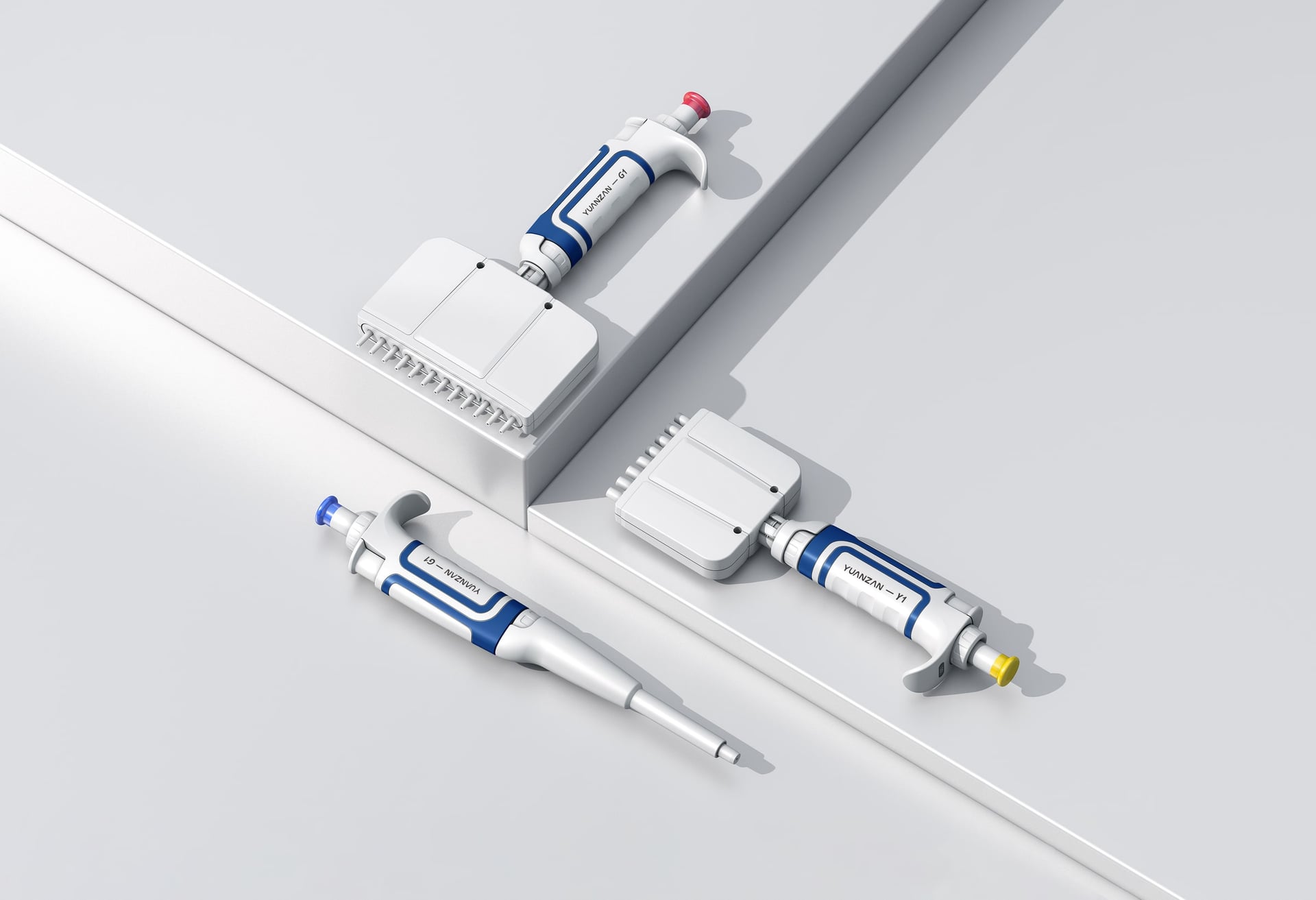
Yuanzan supports manual pipettes and related liquid handling consumables for laboratories, distributors, and OEM/private-label buyers.
Yuanzan manual pipettes are tested and calibrated according to ISO 8655-based accuracy and precision validation.
Related product support may include:
-
Manual pipettes
-
Pipette tips
-
Filter tips
-
Low-retention tips
-
Serological pipettes
-
Product samples
-
Packaging customization
-
Private-label support
-
Product documentation based on project requirements
For distributors, Yuanzan can support sample evaluation, product selection, packaging discussion, and documentation review before larger purchasing decisions.
Conclusion
ISO 8655 pipette calibration is more than a technical standard reference.
For laboratories, it supports confidence in liquid handling. For distributors, it provides a practical framework for evaluating pipette performance, documentation quality, tip compatibility, and supplier readiness.
When sourcing manual pipettes, buyers should ask how accuracy and precision are tested, what documentation is available, and whether the supplier can support samples, private-label packaging, and repeat supply.
For liquid handling products, trust is built through both performance and documentation.
FAQ
What is ISO 8655 pipette calibration?
ISO 8655 pipette calibration refers to testing piston pipettes according to an ISO 8655-based framework for evaluating liquid handling performance, including accuracy and precision.
What is the difference between accuracy and precision in pipette testing?
Accuracy shows how close the delivered volume is to the target volume. Precision shows how consistent repeated dispensing results are under defined testing conditions.
Are Yuanzan manual pipettes tested according to ISO 8655?
Yes. Yuanzan manual pipettes are tested and calibrated according to ISO 8655-based accuracy and precision validation.
Does ISO 8655 mean a pipette is “certified”?
Not exactly. Buyers should avoid treating ISO 8655 as a simple marketing label. The more important question is whether the pipette has clear testing or calibration documentation based on ISO 8655 methods.
Can Yuanzan support private-label manual pipettes?
Private-label support can be discussed based on product model, packaging requirements, volume, and project scope. Options may include labels, cartons, instruction materials, barcodes, and product-family packaging.
What does “calibración de pipetas ISO 8655” mean?
It means ISO 8655 pipette calibration in Spanish. Buyers searching this term are usually looking for pipette calibration, testing, accuracy, precision, or documentation information based on ISO 8655.
Ready to Evaluate Manual Pipettes and Liquid Handling Consumables?
Yuanzan supports manual pipettes, pipette tips, filter tips, low-retention tips, serological pipettes, and related liquid handling consumables for distributors, laboratories, and OEM/private-label buyers.
Send your product list, target market, estimated annual volume, and documentation requirements. Our team can help evaluate sample availability, ISO 8655-related documentation, packaging options, and next steps for quotation.