
Molecular Biology
Why Low-Retention Tubes and Tips Matter in Protein, RNA, and Molecular Biology Workflows
Learn why low-retention tubes and pipette tips matter in protein quantification, RNA handling, PCR setup, molecular biology workflows, and sample preparation, and what buyers should evaluate before sourcing.
Introduction
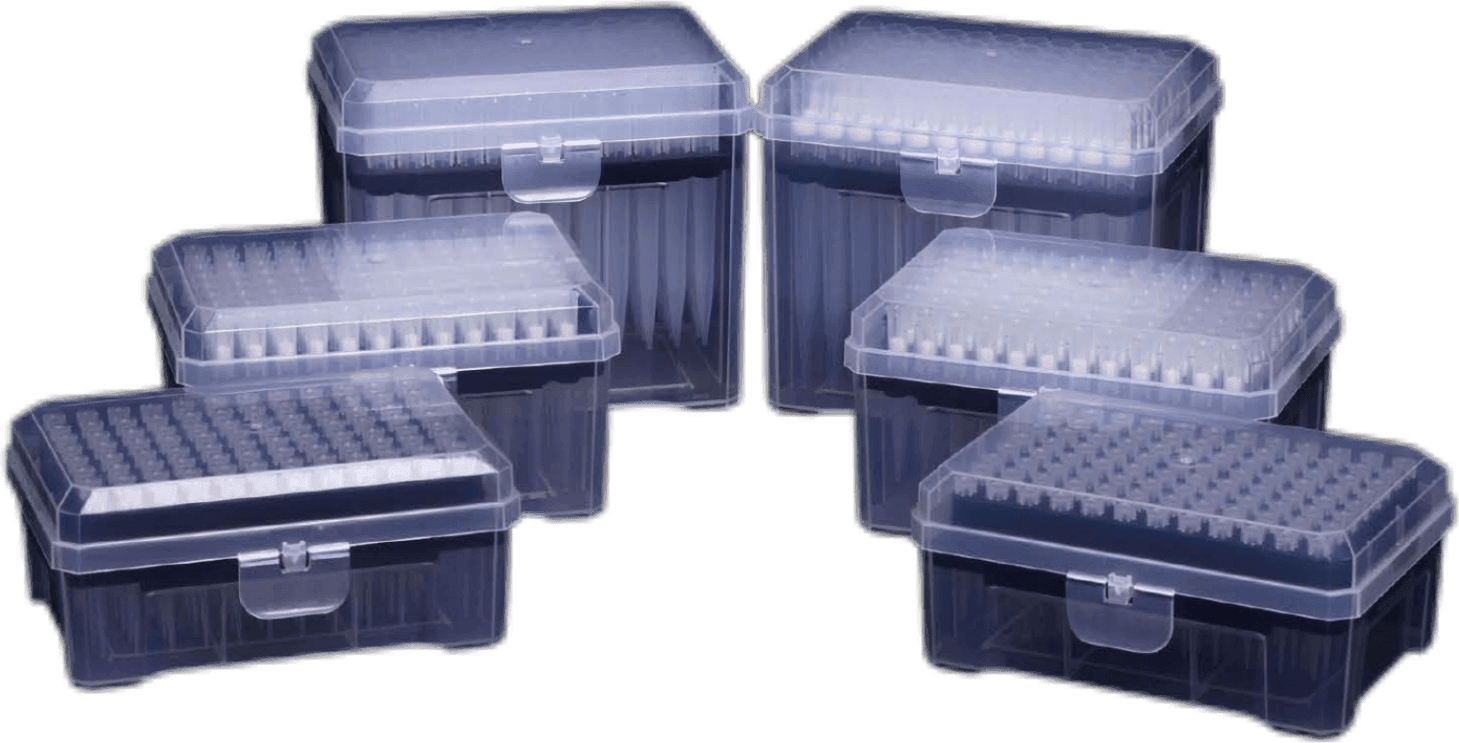
Low-retention tubes and tips are often treated as small details in laboratory workflows.
In practice, they can matter when samples are limited, concentrations are low, or downstream analysis depends on consistent recovery.
For protein quantification, proteomics, RNA handling, PCR setup, qPCR workflows, molecular diagnostics, and selected reagent workflows, consumable surface behavior can affect how much sample remains available after transfer, mixing, storage, or reaction setup.
For laboratories, this means better workflow consistency.
For distributors, OEM buyers, and private-label brands, low-retention consumables create a focused product category with clear application value.
1. What “Low-Retention” Means in Practice
Low-retention consumables are designed to reduce liquid residue left inside a pipette tip or tube after use.
This may matter in workflows involving:
- Protein-containing samples
- RNA or nucleic acid samples
- Enzymes
- Master mixes
- Low-volume liquids
- Low-concentration samples
- Viscous or surface-sensitive solutions
- Repeated dilution steps
- High-value samples
Low-retention is not only a marketing label.
Buyers should ask:
- What product category is low-retention?
- Is the claim supported by documentation or internal validation?
- Is the surface treatment or material suitable for the intended workflow?
- Is the product compatible with existing pipettes or instruments?
- Are sterile, non-sterile, filter, or non-filter options available?
- Can samples be evaluated before bulk purchasing?
2. Protein Workflows: Reducing Sample Loss
Protein workflows often involve limited or low-concentration samples.
Low-retention tubes and tips may be useful during:
- BCA assay setup
- Bradford assay setup
- Protein standard dilution
- Cell lysate handling
- Conditioned media concentration
- Western blot normalization
- ELISA sample preparation
- Protein interaction workflows
- Proteomics sample preparation
In these workflows, sample loss can happen during transfer, dilution, storage, or repeated pipetting.
For example, a protein quantification workflow may include:
| Step | Consumables |
|---|---|
| Cell culture | Cell culture plates, flasks, serological pipettes |
| Cell lysis | Microcentrifuge tubes, low-retention tips |
| Clarification | Centrifuge tubes, microcentrifuge tubes |
| Standard curve | Low-retention tips, 96-well plates |
| Assay setup | Pipette tips, microplates, reservoirs |
| Downstream analysis | Tubes, plates, storage consumables |
This makes low-retention products a natural fit for protein assay and cell lysate preparation content.
3. RNA, PCR, and Molecular Biology Workflows
Low-retention consumables may also be relevant in RNA and molecular biology workflows.
Common scenarios include:
- RNA extraction
- qPCR setup
- PCR master mix handling
- Enzyme handling
- Reverse transcription workflows
- Low-volume reagent transfer
- Molecular diagnostics sample preparation
- Nucleic acid assay setup
PCR and qPCR workflows often involve small volumes and multiple liquid-handling steps.
Related consumables may include:
- Low-retention pipette tips
- Filter tips
- PCR tubes
- PCR 8-strip tubes
- PCR plates
- Optical sealing films
- Deep-well plates
- Microcentrifuge tubes
- Sample storage consumables
For OEM reagent companies and IVD buyers, low-retention tips may be part of a broader workflow supply plan around reagents, PCR consumables, and sample processing products.
4. Not Every Low-Retention Claim Is the Same
Buyers should not assume that all low-retention products perform identically.
Before sourcing, evaluate:
| Evaluation Area | What to Check |
|---|---|
| Product type | Tips, filter tips, tubes, plates, reservoirs |
| Application | Protein, RNA, PCR, qPCR, enzyme, reagent handling |
| Material | PP or other relevant material |
| Surface behavior | Low-retention or low-binding requirement |
| Compatibility | Pipette fit, instrument fit, plate format |
| Sterility | Sterile or non-sterile options |
| Claims | RNase-free, DNase-free, endotoxin-free, PCR inhibitor-free where applicable |
| Packaging | Bulk, rack, sterile pack, private-label packaging |
| Documentation | Product specification, claim-specific documents, batch information |
Special claims require product-specific documentation or batch-level evidence where applicable.
Claims such as RNase-free, DNase-free, endotoxin-free, pyrogen-free, PCR inhibitor-free, low-retention, or low-binding should not be assumed for all products by default.
5. Low-Retention Consumables as a Distributor Product Category
For distributors and private-label brands, low-retention consumables can be positioned by workflow.
| Workflow | Product Opportunity |
|---|---|
| Protein quantification | Low-retention tips, low-binding tubes, 96-well plates |
| Proteomics | Low-binding tubes, low-retention tips, sample prep consumables |
| RNA workflow | Filter tips, low-retention tips, microcentrifuge tubes |
| PCR / qPCR | Low-retention tips, PCR tubes, PCR plates, sealing films |
| Molecular diagnostics | Tips, filter tips, sample tubes, PCR consumables |
| Reagent companies | Consumables for reagent handling, kit assembly, sample preparation |
This application-based positioning is stronger than selling generic tips or tubes.
It helps customers understand why the product matters.
6. How Yuanzan Supports Low-Retention Workflow Buyers
Yuanzan supports selected laboratory plastic consumables, liquid handling products, PCR-related products, and OEM/private-label cooperation for life science workflows.
| Application Area | Related Yuanzan Product Categories |
|---|---|
| Liquid handling | Pipette tips, filter tips, low-retention tips, manual pipettes |
| Protein workflow | Microcentrifuge tubes, centrifuge tubes, selected plates, sample prep consumables |
| RNA / PCR workflow | PCR tubes, PCR plates, optical sealing films, filter tips |
| Molecular diagnostics support | Sample processing consumables, PCR consumables, deep-well plates |
| OEM/private label | Logo, label, carton, barcode, packaging language, SKU family packaging |
| Documentation support | ISO certificates, product specifications, sterilization-related documents where applicable |
Yuanzan’s manufacturing capability includes 23 injection molding machines, 400+ mold sets, a 3,062 m² 100,000-class cleanroom environment, and ISO 9001:2015 / ISO 13485:2016 certified quality management systems.
For buyers, this supports a practical path:
sample request → workflow fit review → documentation check → packaging confirmation → pilot order → repeat supply planning
Conclusion
Low-retention tubes and tips are small products with direct workflow relevance.
They matter in protein quantification, proteomics, RNA handling, PCR setup, qPCR workflows, molecular diagnostics, and reagent handling.
For laboratories, they support consistency when working with limited or sensitive samples.
For distributors, OEM buyers, and private-label brands, they create a focused consumables category that can be positioned by application rather than price alone.
FAQ
What are low-retention tips used for?
Low-retention tips are commonly used for protein-containing samples, RNA workflows, PCR master mix handling, enzyme handling, low-volume liquid transfer, and workflows where liquid residue should be minimized.
Are low-retention tips useful for protein quantification?
Yes. They may be useful during BCA assay setup, Bradford assay setup, protein standard preparation, cell lysate handling, and low-volume protein transfer.
Are low-retention tips useful for PCR or qPCR?
They may be useful when handling PCR master mixes, enzymes, nucleic acid samples, or low-volume liquid transfers. Buyers should confirm workflow requirements and product documentation.
Can I use Eppendorf Protein LoBind, Sarstedt low-retention tips, Thermo Fisher, VWR, BRAND, Rainin, or other catalog products as references?
Yes. Buyers may upload catalog pages, reference SKUs, product photos, or technical datasheets from existing catalog brands for internal sample matching and project evaluation.
Brand names are used only as market reference examples. Yuanzan is not affiliated with these brands.
Does low-retention mean RNase-free, DNase-free, or endotoxin-free?
Not automatically. Low-retention, RNase-free, DNase-free, endotoxin-free, PCR inhibitor-free, sterile, and other claims should be confirmed with product-specific documentation where applicable.
Can Yuanzan support private-label low-retention consumables?
Private-label cooperation can be discussed based on product category, packaging requirements, MOQ, target market, and documentation needs.
Need Low-Retention Tubes or Tips for Protein, RNA, or PCR Workflows?
Yuanzan supports selected low-retention tips, filter tips, tubes, PCR consumables, sample processing consumables, and OEM/private-label projects.
Send your reference SKU, workflow application, target market, estimated annual volume, and documentation requirements. Our team can help evaluate sample availability, packaging options, and supply feasibility.