
OEM&ODM
Consumables for Molecular Diagnostics Workflows: PCR, Sample Processing, and OEM Supply
Learn how distributors and OEM buyers can source laboratory consumables for molecular diagnostics workflows, including PCR tubes, PCR plates, sealing films, deep-well plates, centrifuge tubes, pipette tips, and private-label supply.
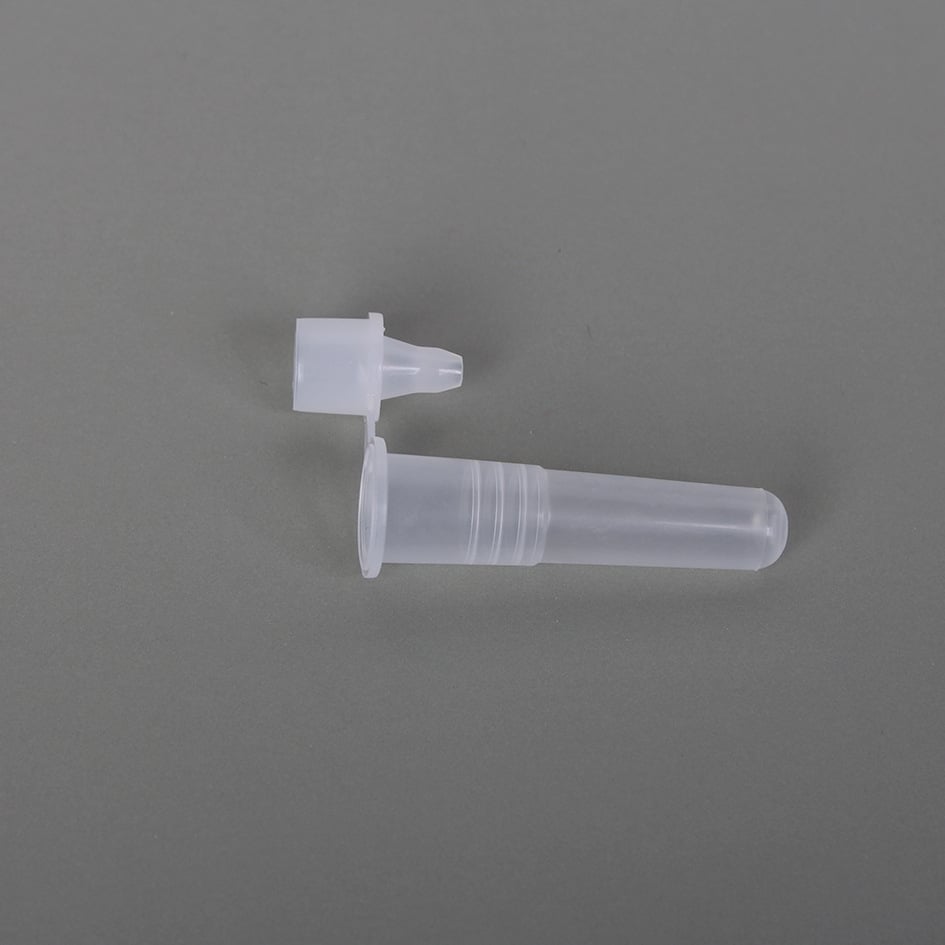
Molecular diagnostics workflows depend on more than instruments and reagents.
They also require reliable laboratory consumables for liquid handling, sample preparation, nucleic acid extraction, PCR setup, sealing, centrifugation, and sample storage.
For distributors, importers, IVD companies, and OEM buyers, molecular diagnostics consumables can become a high-frequency repeat-order category when supported by the right product selection, documentation, packaging, and supply planning.
This article explains how buyers can evaluate consumables for molecular diagnostics workflows without over-focusing on one isolated product.
1. What Consumables Are Used in Molecular Diagnostics Workflows?
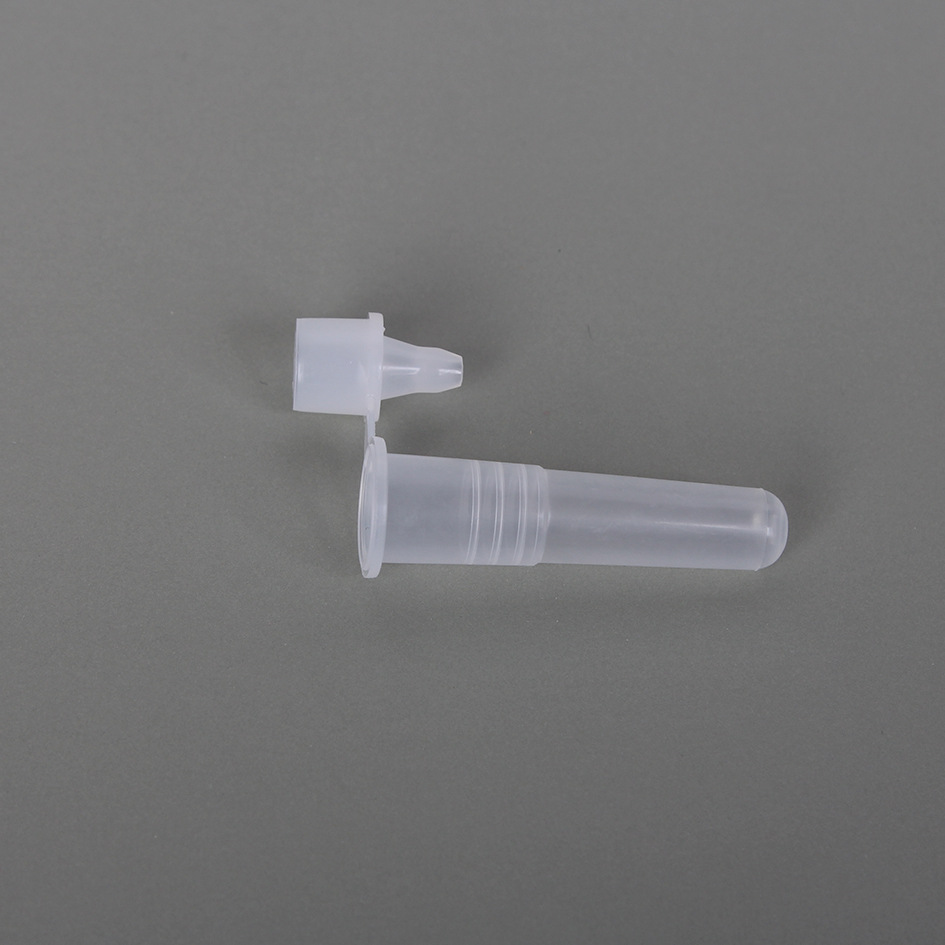
Molecular diagnostics workflows vary by lab, assay, instrument, and sample type. However, many workflows use a connected set of plastic consumables.
Common consumable categories may include:
- Pipette tips
- Filter tips
- Low-retention tips
- PCR tubes
- PCR 8-strip tubes
- PCR plates
- Optical sealing films
- Deep-well plates
- Tip combs
- Centrifuge tubes
- Microcentrifuge tubes
- Sample storage consumables
For distributors, this creates a catalog opportunity.
Instead of selling only one product category, distributors can build workflow-based product bundles for molecular biology and diagnostic laboratory customers.
2. Why PCR Consumables Are a Practical Starting Point
PCR-related consumables are often a practical starting category for distributors because they are used repeatedly and connect directly to molecular biology workflows.
Core PCR consumables may include:
- PCR single tubes
- PCR 8-strip tubes
- PCR plates
- qPCR-compatible plates
- Optical sealing films
- PCR caps
- Related pipette tips
When sourcing PCR consumables, buyers should evaluate:
- Tube or plate geometry
- Sealing performance
- Optical clarity where applicable
- Heat resistance
- Instrument compatibility
- Packaging format
- Documentation availability
- Contamination-control claims
PCR-related claims should not be assumed by default.
Claims such as RNase-free, DNase-free, human DNA-free, PCR inhibitor-free, sterile, or pyrogen-free require product-specific test reports or batch documentation.
3. Sample Processing Consumables Also Matter
Before PCR or qPCR setup, many labs need sample preparation and processing consumables.
These may include:
- Centrifuge tubes
- Microcentrifuge tubes
- Deep-well plates
- Sealing films
- Tip combs
- Sample storage consumables
For distributors, these products are important because they connect upstream sample preparation with downstream molecular biology workflows.
A molecular diagnostics consumables catalog should therefore include both PCR-related products and sample processing consumables.
This helps customers purchase related products from one supplier or distributor.
4. Documentation and Quality Questions to Ask
For molecular diagnostics-related consumables, documentation should be clarified before ordering.
Useful questions include:
- Does the supplier hold ISO 9001?
- Does the supplier hold ISO 13485?
- What products are covered by the certificate scope?
- Are the products sterile or non-sterile?
- Are product specification sheets available?
- Are cleanroom testing documents available?
- Are claim-specific reports available where required?
- Can sterilization-related documents be provided where applicable?
- Can batch-level documents be provided for specific products?
Buyers should separate factory-level documents from product-level and claim-specific documents.
A supplier's general quality certificate does not automatically support every product claim.
5. OEM and Private Label Opportunities
For IVD companies, regional distributors, and private-label brands, molecular diagnostics consumables can support several cooperation models.
Distribution Model
The buyer purchases standard products for local resale or catalog expansion.
Best for:
- Faster market entry
- Lower customization complexity
- Product category testing
- Distributor pilot programs
Private Label Model
The manufacturer supplies products under the buyer's brand, packaging, or product family.
Best for:
- Regional distributor brands
- Catalog differentiation
- Higher reorder loyalty
- Long-term margin control
OEM / ODM Model
The manufacturer supports deeper customization based on product requirements, packaging design, mold feasibility, or project-specific needs.
Best for:
- IVD companies
- Specialized workflow requirements
- Higher-volume projects
- Long-term supply integration
For many buyers, the practical path is:
Standard sample evaluation -> pilot SKUs -> private-label packaging -> repeat supply planning -> deeper OEM cooperation where needed
6. Sample Evaluation Before Scaling
Before building a molecular diagnostics consumables catalog, distributors should request samples and evaluate product fit.
Sample evaluation can help assess:
- Product dimensions
- Packaging format
- Workflow compatibility
- Sterile or non-sterile sample needs
- Documentation availability
- Customer feedback
- Private-label feasibility
- Pilot SKU potential
For molecular diagnostics workflows, a sample kit may include:
- PCR tubes
- PCR plates
- Sealing films
- Deep-well plates
- Centrifuge tubes
- Filter tips
- Related sample processing consumables
A sample kit helps buyers compare products, evaluate documentation, and plan pilot SKUs before larger purchasing decisions.
Conclusion
Molecular diagnostics workflows require reliable consumables across liquid handling, sample processing, PCR setup, sealing, centrifugation, and storage.
For distributors and OEM buyers, the opportunity is not only to source individual products. It is to build a workflow-based consumables catalog that supports repeat customer demand.
A strong supplier should support product selection, sample review, documentation clarification, packaging options, pilot SKU planning, and repeat supply discussion.
FAQ
What consumables are commonly used in molecular diagnostics workflows?
Common consumables include pipette tips, filter tips, PCR tubes, PCR plates, optical sealing films, deep-well plates, centrifuge tubes, microcentrifuge tubes, and sample storage consumables.
Can Yuanzan provide PCR consumables samples?
Yes. Yuanzan can support sample requests for selected PCR and molecular biology-related consumables based on product category and project requirements.
Are PCR consumables automatically RNase-free or DNase-free?
No. RNase-free, DNase-free, PCR inhibitor-free, sterile, and similar claims require product-specific documentation or batch-level evidence.
Can Yuanzan support OEM or private-label PCR consumables?
Yes. OEM/ODM and private-label packaging support can be discussed based on product category, sample availability, packaging requirements, MOQ, and documentation needs.
Can I upload a reference SKU from another supplier?
Yes. Buyers may upload reference SKUs, catalog pages, product photos, drawings, or technical datasheets to help evaluate product fit and sample matching.
What should I prepare before requesting samples?
Please prepare product category, reference SKU or catalog page, target market, estimated annual volume, sample type, documentation requirements, and packaging needs.
Request Samples for Molecular Diagnostics Consumables Evaluation
Yuanzan supports selected laboratory plastic consumables for molecular biology, PCR, sample processing, and related laboratory workflows.
Send your product list, reference SKU, target market, and annual volume. Our team can help evaluate sample availability, documentation needs, private-label packaging options, and OEM/ODM cooperation.