
OEM&ODM
Private Label Lab Consumables: A Sourcing Guide for Distributors
Learn how distributors can evaluate private label lab consumables, including product selection, packaging options, sample evaluation, quality documents, and OEM/ODM cooperation.
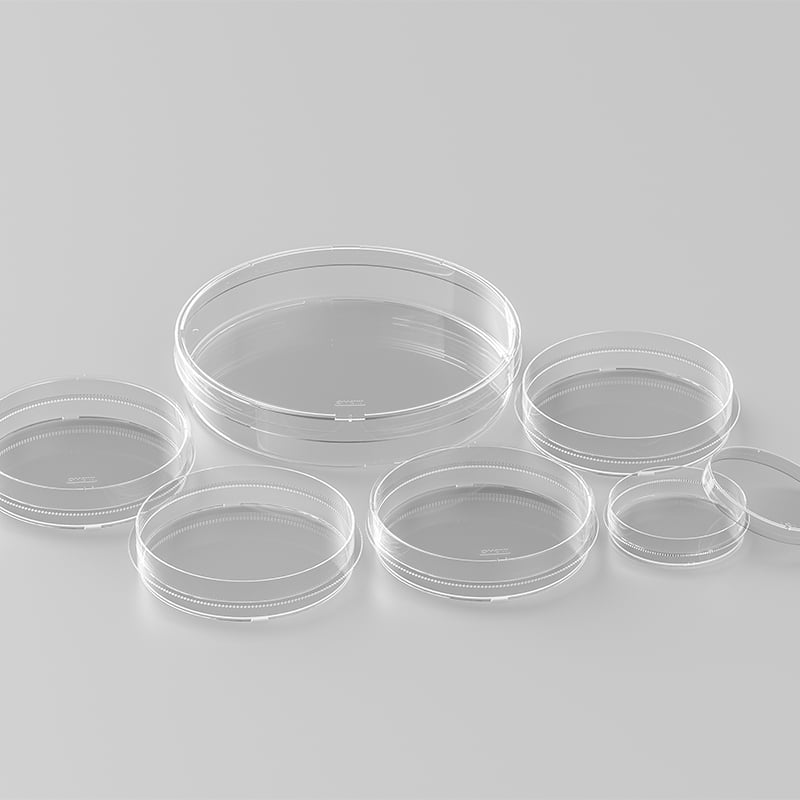
Private label laboratory consumables can help distributors, importers, and regional laboratory brands build stronger catalog control, improve margin structure, and increase customer loyalty.
But private label sourcing is not simply adding a logo to a box.
For laboratory consumables, a successful private label program depends on product selection, packaging control, documentation readiness, supplier capability, quality consistency, and repeat supply planning.
Before launching a private label product line, distributors should answer one core question:
Can this manufacturer help us move from pilot SKUs to repeat supply without creating quality, documentation, or delivery risks?
This guide explains how distributors and regional brands can evaluate private label lab consumables sourcing more practically.
1. Why Private Label Matters for Laboratory Distributors
For many laboratory supply distributors, private label is not only a branding project. It is a catalog strategy.
A well-managed private label consumables line can help distributors:
- Reduce dependence on large international brands
- Improve gross margin on frequently purchased products
- Build customer loyalty through consistent product families
- Offer alternatives to premium-priced consumables
- Expand catalog coverage without building a factory
- Create product bundles around common laboratory workflows
Private label is especially relevant for high-frequency consumables used in liquid handling, PCR, sample processing, and routine laboratory workflows.
These products are purchased repeatedly. Once quality, packaging, and supply are stable, they can become repeat-order anchors for distributors.
2. Which Product Categories to Start With
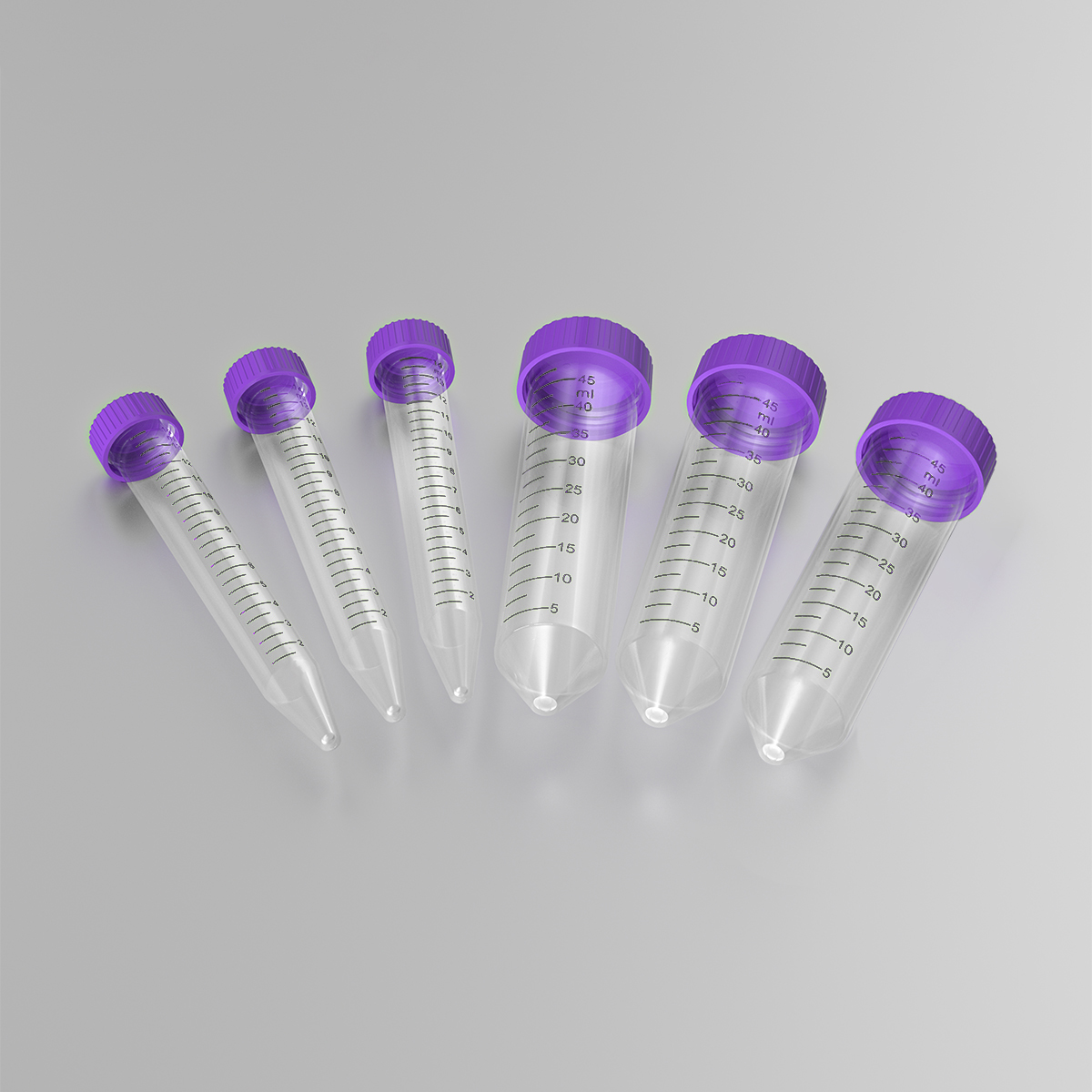
A private label program should not begin with every possible product. Distributors should start with SKUs that already have clear demand, manageable documentation requirements, and strong reorder potential.
Recommended starting categories include:
- Pipette tips
- Filter tips
- Low-retention tips
- Serological pipettes
- PCR tubes
- PCR plates
- Deep-well plates
- Sealing films
- Centrifuge tubes
- Microcentrifuge tubes
- Selected cell culture consumables
These categories are suitable because they connect directly to common laboratory workflows.
For example:
- PCR workflows require PCR tubes, PCR plates, sealing films, and pipette tips.
- Sample preparation workflows require centrifuge tubes, microcentrifuge tubes, deep-well plates, and tip combs.
- Liquid handling workflows require pipette tips, filter tips, serological pipettes, and reservoirs.
- Cell culture workflows may require flasks, dishes, plates, and related plastic consumables.
For distributors, this means private label sourcing should not be planned product by product only. It should also be planned by workflow.
A workflow-based catalog makes it easier for customers to buy related products together and helps distributors increase repeat purchasing.
3. Standard SKU Branding vs Custom Development
Private label sourcing usually falls into three levels.
Level 1: Existing SKU with Private Label Packaging
This is the fastest way to start.
The manufacturer supplies an existing product, while the distributor customizes packaging elements such as:
- Product label
- Outer carton
- Barcode
- Packaging language
- Product family naming
- Customer logo
This model is suitable for distributors who want to test demand quickly and reduce tooling risk.
Level 2: Existing Mold with Selected Customization
This model uses the manufacturer’s existing mold base but allows selected product or packaging adjustments.
Possible customization may include:
- Cap color
- Rack color
- Packaging format
- Carton configuration
- Label and barcode structure
- SKU combination
- Product family design
This level is useful when the distributor wants a more differentiated product line but does not want to start from full new mold development.
Level 3: New Mold Development
New mold development may be required when the buyer needs a specific structure, geometry, volume, closure design, or application requirement that cannot be supported by existing molds.
This route requires more evaluation.
Before starting new mold development, distributors should confirm:
- Product drawing or reference sample
- Material requirement
- Target tolerance
- Estimated annual volume
- Mold ownership terms
- Development timeline
- Testing and documentation requirements
- Expected commercial return
New mold development is not always the best first step. For many distributors, it is more practical to start with existing SKUs, validate demand, and then develop custom molds for proven high-volume products.
4. Packaging and Label Requirements
Packaging is one of the most important parts of private label sourcing.
For distributors, packaging affects not only brand appearance but also warehouse handling, local market acceptance, product identification, and reorder behavior.
Common private label packaging elements include:
- Customer logo
- Product label
- Outer carton
- Barcode
- Batch number
- Packaging language
- Instruction insert
- Product specification sheet
- Shelf-ready or bulk packaging
- SKU family design
Distributors should define packaging requirements early because they affect MOQ, lead time, printing cost, artwork review, and production planning.
Important packaging questions include:
- Will the product be sold under the distributor’s brand?
- Is local-language packaging required?
- Does the customer need barcode or 2D code support?
- Will the product be sold in bulk, bags, racks, boxes, or cartons?
- Are instruction inserts required?
- Does the label include any special claims?
- Are batch number and traceability fields required?
For private label laboratory consumables, label claims should be handled carefully. Claims such as sterile, RNase-free, DNase-free, endotoxin-free, pyrogen-free, or PCR inhibitor-free should only appear when supported by product-specific documentation.
5. Documentation and Claim Control
Documentation is one of the biggest differences between ordinary plastic product sourcing and laboratory consumables sourcing.
Distributors should separate documentation into three levels.
Factory-Level Documents
These documents help verify the manufacturer’s quality system and production environment.
Examples may include:
- ISO 9001 certificate
- ISO 13485 certificate
- Cleanroom testing report
- Factory audit information
- Quality management documents where applicable
Product-Level Documents
These documents help verify the specific product being purchased.
Examples may include:
- Product specification sheet
- Material information
- Packaging specification
- Product drawing or technical data sheet
- Batch-related documents where applicable
Claim-Specific Documents
Special claims require evidence.
For example:
- Sterile claim requires sterilization-related documentation.
- RNase-free or DNase-free claims require product-specific test reports.
- Endotoxin-free claims require relevant test data.
- PCR inhibitor-free claims require product-specific validation.
- Low-retention claims require performance data or a defined test method.
Distributors should not assume that every product automatically carries every laboratory claim.
The safest approach is to define documentation requirements during the RFQ stage, before packaging artwork, label printing, and order confirmation.
6. Pilot SKU Strategy
A strong private label program should usually begin with pilot SKUs instead of a full catalog launch.
A pilot SKU strategy helps distributors reduce inventory risk, test customer acceptance, evaluate product quality, and confirm supplier communication before scaling.
A typical pilot program may include:
- 10–20 SKUs for a small market test
- 30–50 SKUs for a distributor pilot
- 100+ SKUs only after demand and supply stability are validated
Good pilot SKUs usually have the following characteristics:
- Frequently purchased
- Easy to substitute
- Suitable for existing customer workflows
- Supported by available samples
- Reasonable packaging requirements
- Clear documentation requirements
- Strong repeat-order potential
Recommended pilot categories may include:
- Pipette tips
- PCR tubes
- PCR plates
- Centrifuge tubes
- Deep-well plates
- Sealing films
- Serological pipettes
A practical pilot model can look like this:
Pilot SKU selection → sample review → documentation check → packaging confirmation → first order → local stocking → repeat supply planning
This staged process allows distributors to test real demand before committing to larger inventory or deeper customization.
7. Repeat Supply Planning
Private label sourcing should not be treated as a one-time order.
A successful private label consumables line depends on stable repeat supply.
Before scaling, distributors should discuss:
- Forecasting
- Safety stock
- Lead time
- Packaging material planning
- Product change control
- Quality feedback process
- Reorder frequency
- SKU-level demand
- Batch documentation requirements
- Long-term pricing review
Repeat supply planning is especially important for fast-moving consumables such as pipette tips, PCR consumables, centrifuge tubes, and deep-well plates.
For distributors, the goal is not only to launch a private label product. The goal is to build a reliable product family that customers can reorder with confidence.
Conclusion
Private label lab consumables sourcing is not just a packaging project. It is a long-term supply strategy.
Distributors should evaluate product category fit, manufacturing capability, packaging options, documentation readiness, pilot SKU strategy, and repeat supply planning before launching a private label program.
The strongest manufacturing partners are not only able to produce standard products. They can help distributors move from product selection to sampling, documentation review, packaging confirmation, first order, and long-term supply expansion.
FAQ
1. What are private label lab consumables?
Private label lab consumables are laboratory consumables manufactured by a supplier but sold under the distributor’s or buyer’s own brand, packaging, or product family.
2. Which lab consumables are suitable for private label sourcing?
Common categories include pipette tips, filter tips, PCR tubes, PCR plates, centrifuge tubes, deep-well plates, sealing films, serological pipettes, and selected cell culture consumables.
3. Is private label the same as OEM?
They are related but not always the same. Private label often starts with existing products and customized packaging. OEM may involve deeper customization, buyer specifications, mold-based changes, or new product development.
4. Can special claims such as sterile, RNase-free, or endotoxin-free be printed on private label packaging?
Only when the claim is supported by product-specific documentation or batch-level evidence. Buyers should confirm these requirements during the RFQ stage before label design and printing.
5. What information should buyers provide for a private label quote?
Buyers should provide product category, reference SKU or sample, estimated annual volume, packaging requirements, target market, documentation requirements, and any sterilization or claim requirements.
6. Should distributors launch a full private label catalog immediately?
Usually not. A staged pilot SKU strategy is safer. Start with selected fast-moving SKUs, validate samples and packaging, then expand based on customer feedback and reorder signals.
Ready to Build Your Private Label Lab Consumables Line?
Yuanzan supports OEM/ODM cooperation and private label packaging for selected laboratory plastic consumables, including liquid handling, molecular biology, sample processing, and selected cell culture consumables.
Send your product category, target market, estimated annual volume, and packaging requirements. Our team can help evaluate product fit, sample availability, customization scope, and next steps for quotation.