
Cell Biology
Protein Quantification Workflow Consumables: Low-Retention Tubes, Tips, 96-Well Plates, and BCA/Bradford Assays
Learn which consumables support protein quantification workflows, including low-retention tips, microcentrifuge tubes, centrifuge tubes, 96-well plates, cell culture plates, and supporting supply for BCA/Bradford assays.
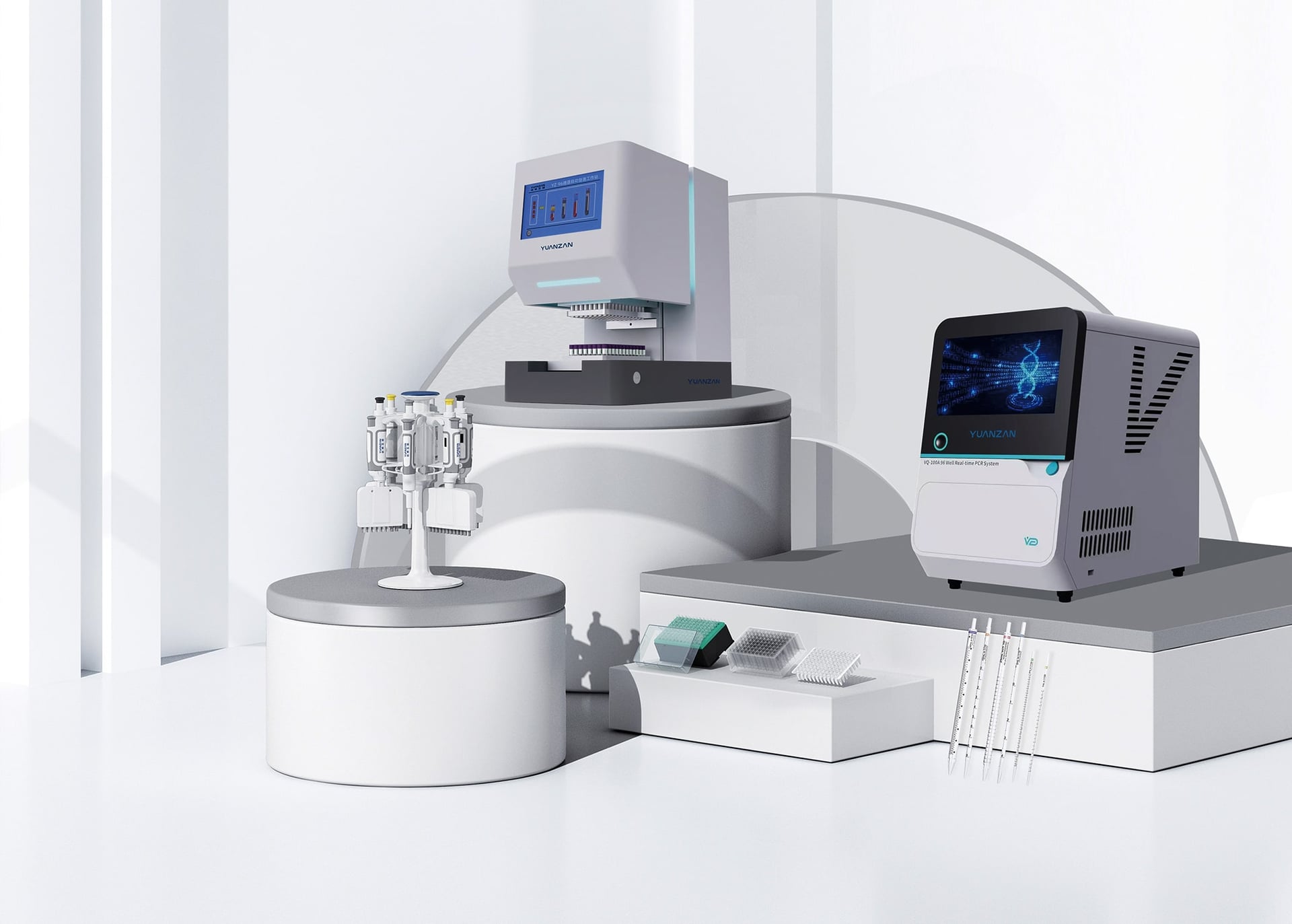
Protein quantification is a routine step in cell biology, molecular biology, biochemistry, drug screening, proteomics, and quality-control workflows.
Before researchers perform Western blot, ELISA, enzyme activity assays, mass spectrometry, or protein normalization, they often need to measure total protein concentration from cell lysates, conditioned media, tissue extracts, purified proteins, or assay samples.
Common methods include:
- BCA assay
- Micro-BCA assay
- Bradford assay
- UV absorbance-based measurement
- Plate-based colorimetric assays
But protein quantification is not only a reagent workflow.
It also depends on reliable consumables: low-retention tips, microcentrifuge tubes, centrifuge tubes, 96-well plates, cell culture plates, serological pipettes, and consistent liquid handling tools.
For laboratories, these products affect daily workflow consistency. For distributors, OEM reagent companies, and private-label buyers, protein quantification creates a repeat-demand consumables category connected to cell culture, sample preparation, protein assays, and downstream analysis.
1. Where Protein Quantification Fits in the Workflow
Protein quantification usually appears after sample preparation and before downstream analysis.
A typical workflow may include:
| Workflow Step | Common Consumables |
|---|---|
| Cell culture or sample preparation | Cell culture plates, dishes, flasks, serological pipettes |
| Cell harvesting or sample collection | Centrifuge tubes, pipette tips, filter tips |
| Cell lysis or protein extraction | Microcentrifuge tubes, low-retention tips, centrifuge tubes |
| Lysate clarification | Microcentrifuge tubes, centrifuge tubes |
| Standard curve preparation | Pipette tips, reagent reservoirs, 96-well plates |
| BCA / Bradford reaction setup | Low-retention tips, microplates, tubes |
| Absorbance reading | 96-well clear plates, microplates |
| Downstream analysis | Western blot, ELISA, MS, enzyme assay, storage tubes |
This is why buyers should not evaluate protein assay reagents alone.
A reliable protein assay workflow also requires suitable sample preparation tubes, liquid handling consumables, microplates, and documentation-supported supply.
2. Why Low-Retention Tubes and Tips Matter
Protein-containing samples can be sensitive to adsorption, especially when sample volume is small, concentration is low, or downstream analysis requires accurate normalization.
Low-retention tubes and tips may help reduce sample loss during:
- Cell lysate handling
- Protein standard dilution
- Low-volume protein transfer
- Conditioned media concentration
- Proteomics sample preparation
- Protein interaction studies
- Western blot normalization
- ELISA or enzyme assay setup
This does not mean every workflow requires the same consumable specification.
But buyers should ask whether low-retention or low-binding consumables are needed when handling:
- Low-concentration proteins
- Limited samples
- Protein standards
- Lysates for MS or Western blot
- Repeated dilution steps
- Small-volume transfers
For distributors, this creates a strong application story for low-retention tips, low-binding tubes, and protein assay consumables.
3. 96-Well Plates and Absorbance-Based Protein Assays
BCA and Bradford assays are often performed in microplate format.
Buyers should evaluate:
- Plate format
- Optical clarity
- Well consistency
- Surface properties
- Reader compatibility
- Packaging format
- Sterile or non-sterile status
- Documentation availability
- Batch consistency
For absorbance-based workflows, plate quality can affect readout consistency.
For high-throughput labs, QC labs, reagent companies, and distributors, 96-well plates are not simply accessory products. They are part of the assay workflow.
A protein assay sourcing plan may therefore include:
- BCA or Bradford reagent
- 96-well clear plates
- Low-retention pipette tips
- Microcentrifuge tubes
- Centrifuge tubes
- Reagent reservoirs
- Manual pipettes
- Sample storage consumables
4. BCA vs Bradford: What Buyers Should Know
BCA and Bradford assays are both widely used protein quantification methods, but they are not identical.
| Method | Common Use | Buyer Consideration |
|---|---|---|
| BCA assay | Total protein quantification, cell lysates, many routine workflows | May be affected by reducing agents or sample matrix |
| Micro-BCA assay | Lower concentration protein samples | Requires careful liquid handling and plate consistency |
| Bradford assay | Fast colorimetric protein assay, selected QC workflows | Can be affected by detergent or protein composition |
| UV absorbance | Quick estimation for purified protein or nucleic acid/protein samples | Requires appropriate instrument and sample clarity |
From a consumables perspective, the method affects the supporting products.
For example:
- Low-volume assays need accurate pipetting.
- Low-concentration samples may benefit from low-retention tips.
- Plate-based assays need consistent 96-well plates.
- Cell lysate workflows often require centrifuge tubes and microcentrifuge tubes.
- Downstream Western blot or ELISA workflows may require additional plates, tubes, and sealing films.
5. Sourcing Checklist for Protein Quantification Consumables
Before sourcing protein assay consumables, buyers should clarify:
| Evaluation Area | Questions to Ask |
|---|---|
| Application | BCA, Bradford, Micro-BCA, Western blot normalization, ELISA, proteomics, QC? |
| Sample type | Cell lysate, conditioned media, tissue extract, purified protein, serum, reagent sample? |
| Liquid handling | Are low-retention tips needed? Are filter tips needed? |
| Tubes | Microcentrifuge tubes, centrifuge tubes, low-binding tubes, storage tubes? |
| Plates | 96-well clear plate, assay plate, storage plate, sample processing plate? |
| Documentation | Product specifications, ISO certificates, material information, claim-specific documents? |
| Packaging | Bulk pack, rack pack, sterile pack, private-label packaging? |
| Supply model | Trial order, sample evaluation, annual forecast, private-label program? |
This helps avoid fragmented sourcing and supports a workflow-based consumables plan.
6. How Yuanzan Supports Protein Quantification Workflow Buyers
Yuanzan supports selected laboratory plastic consumables, liquid handling products, PCR-related products, reagents, and OEM/private-label cooperation for life science workflows.
| Application Area | Related Yuanzan Product Categories |
|---|---|
| Liquid handling | Manual pipettes, pipette tips, filter tips, low-retention tips |
| Sample preparation | Centrifuge tubes, microcentrifuge tubes, high-speed centrifuge tubes |
| Cell culture before assay | Selected cell culture plates, dishes, flasks, serological pipettes |
| Plate-based assays | Selected plates and related sample processing consumables |
| Molecular workflow extension | PCR tubes, PCR plates, sealing films, deep-well plates |
| Reagent support | Selected reagents and lyophilized reagent options based on project scope |
| OEM/private label | Logo, label, carton, barcode, packaging language, SKU family packaging |
| Documentation support | ISO certificates, product specifications, sterilization-related documents, FDA-related information where applicable |
Yuanzan operates with 23 injection molding machines, 400+ mold sets, a 3,062 m² 100,000-class cleanroom environment, and ISO 9001:2015 / ISO 13485:2016 certified quality management systems.
For buyers, this means protein assay consumables can be discussed not only as individual SKUs, but as part of a broader workflow supply plan.
Conclusion
Protein quantification workflows rely on more than BCA or Bradford reagents.
They require reliable liquid handling, low-retention consumables, microcentrifuge tubes, centrifuge tubes, 96-well plates, cell culture consumables, and documentation-supported supply.
For laboratories, these consumables affect daily workflow consistency.
For distributors, OEM reagent companies, and private-label brands, they create an opportunity to build workflow-based product families around protein assays, cell culture, molecular biology, and sample preparation.
FAQ
What consumables are commonly used in protein quantification workflows?
Common consumables include pipette tips, filter tips, low-retention tips, microcentrifuge tubes, centrifuge tubes, 96-well plates, reagent reservoirs, serological pipettes, cell culture plates, and sample storage tubes.
Are BCA and Bradford assays mainly reagent products?
Yes. BCA and Bradford assays are reagent-based protein quantification methods. However, workflow consistency also depends on liquid handling, sample preparation tubes, plate quality, and batch-stable consumables.
Can low-retention tips be useful in protein assays?
Yes. Low-retention tips may be useful when handling protein-containing samples, low-volume liquids, protein standards, or low-concentration samples where sample loss should be minimized.
Can I upload reference SKUs from Thermo Fisher, Bio-Rad, Abcam, Sigma-Aldrich, Promega, Eppendorf, Sarstedt, or other catalog brands?
Yes. Buyers may upload catalog pages, reference SKUs, product photos, or technical datasheets from existing catalog brands for internal sample matching and project evaluation.
Brand names are used only as market reference examples. Yuanzan is not affiliated with these brands.
Can Yuanzan support consumables for BCA or Bradford assay workflows?
Yuanzan can support selected laboratory consumables used in protein assay workflows, including pipette tips, filter tips, centrifuge tubes, microcentrifuge tubes, selected plates, and related sample preparation consumables.
Can Yuanzan support private-label protein assay consumables?
Private-label support can be discussed for selected consumables, including labels, cartons, barcodes, packaging language, and SKU family packaging based on product category, MOQ, and documentation requirements.
What documents should buyers request?
Buyers may request ISO certificates, product specifications, material information, cleanroom information where applicable, sterilization-related documents where applicable, FDA-related information where applicable, and product-specific documents based on claims.
Need Consumables for Protein Quantification Workflows?
Yuanzan supports selected laboratory consumables, liquid handling products, plates, tubes, reagents, lyophilized reagent options, and OEM/private-label projects.
Send your product list, assay type, reference SKU, target market, estimated annual volume, and documentation requirements. Our team can help evaluate sample availability, sterile or non-sterile options, packaging needs, and repeat supply feasibility.