
Application Workflows
Sourcing Consumables for Dengue Diagnostics: A Procurement Guide for Laboratories and Distributors
Learn how laboratories and distributors can plan consumables for dengue diagnostics, including sample processing, liquid handling, ELISA, RT-PCR, storage, high-throughput workflows, supplier consolidation, and inventory standardization.
Introduction
Dengue outbreaks can create sudden and unpredictable increases in testing demand, particularly in regions where seasonal transmission remains a public health concern. Unlike routine laboratory testing programs with relatively stable volumes, dengue diagnostics often require laboratories and distributors to respond quickly to changing demand while maintaining consistent supply of consumables, reagents, and supporting laboratory products.
For procurement teams, the challenge is not simply purchasing products—it is managing inventory across multiple testing platforms, minimizing stock shortages during peak demand periods, and simplifying sourcing across complex diagnostic workflows.
This guide focuses on the procurement considerations behind dengue diagnostics and highlights practical approaches to consumables planning, supplier selection, and workflow standardization.
1. Quick Answer: What are the biggest procurement challenges in dengue diagnostics?
The main challenges typically include fluctuating testing demand during outbreak seasons, managing consumables across multiple testing methods, maintaining supply continuity, and reducing inventory complexity. Buyers often focus on standardizing consumables, consolidating suppliers, and selecting products that can support multiple laboratory workflows.
2. Why Dengue Diagnostics Remain a Procurement Priority in Latin America
Latin America continues to account for a significant share of global dengue cases, with countries such as Brazil, Mexico, Colombia, Peru, and Argentina reporting recurring outbreaks and seasonal testing demand. During peak transmission periods, public health laboratories, hospitals, diagnostic centers, and distributors may experience rapid increases in testing volumes.
Unlike routine laboratory procurement, dengue-related purchasing often requires buyers to balance emergency preparedness, inventory availability, and budget constraints. This creates additional demand for reliable consumables, flexible supply arrangements, and suppliers capable of supporting multiple diagnostic workflows.
For distributors operating across Latin America, sourcing strategies may also be influenced by import lead times, customs procedures, local-language packaging requirements, and documentation requirements for public health procurement projects.
3. Why Dengue Diagnostics Present Different Procurement Requirements
Unlike screening programs that typically rely on a single testing platform, dengue diagnostics often involve multiple testing approaches depending on the stage of infection, laboratory infrastructure, and public health objectives.
During the acute phase of infection, laboratories may use NS1 antigen assays or molecular testing methods such as RT-PCR. In later stages, serological assays including IgM and IgG testing become more common. As a result, many laboratories must support multiple workflows simultaneously rather than relying on a single diagnostic pathway.
From a procurement perspective, this creates a more complex sourcing environment. Laboratories may need to manage consumables for sample preparation, liquid handling, ELISA workflows, molecular testing, and sample storage at the same time. The ability to standardize products across these workflows can directly influence inventory efficiency and operational consistency.
4. Workflow Consumables Matrix for Dengue Testing Laboratories
Different dengue testing methods may require different combinations of consumables. Understanding where products are used can help buyers identify opportunities for standardization and supplier consolidation.
| Workflow Stage | Typical Laboratory Activities | Common Consumables |
|---|---|---|
| Sample Collection | Blood and serum collection | Blood collection tubes, sample transport tubes |
| Sample Processing | Centrifugation, aliquoting, preparation | Centrifuge tubes, microcentrifuge tubes, tube racks |
| Liquid Handling | Reagent preparation and sample transfer | Pipette tips, filter tips, low-retention tips, serological pipettes |
| NS1 / ELISA Testing | Antigen and antibody testing workflows | Pipette tips, reservoirs, serological pipettes |
| RT-PCR Testing | Molecular confirmation workflows | PCR tubes, PCR strip tubes, PCR plates, sealing films |
| Sample Storage | Sample retention and quality control | Cryovials, cryoboxes, cryobox racks |
| High-Throughput Processing | Batch testing and automation workflows | Deep-well plates and automation-compatible consumables |
For procurement teams, this matrix can help identify which consumables are shared across multiple workflows and which products require dedicated sourcing strategies.
5. High-Consumption Consumables in Dengue Testing Programs
Not all consumables contribute equally to procurement volume. In dengue testing laboratories, several product categories are typically reordered more frequently due to routine use across multiple workflows.
Liquid Handling Consumables
Pipette tips and filter tips are commonly used throughout sample preparation, ELISA testing, and molecular diagnostics. Because they are consumed in large quantities, they often represent one of the highest-volume purchasing categories.
Molecular Testing Consumables
For laboratories performing RT-PCR confirmation, PCR tubes, PCR plates, strip tubes, and sealing films are recurring procurement items that require compatibility with existing instruments and workflows.
Sample Processing and Storage Products
Centrifuge tubes, microcentrifuge tubes, cryovials, and storage accessories are frequently used for sample preparation, aliquoting, retention, and quality control activities.
For procurement teams, prioritizing these high-usage categories can help improve inventory planning and reduce the risk of workflow interruptions during periods of increased testing demand.
6. Standardizing Consumables Across Multiple Testing Platforms
One common procurement strategy is to identify consumables that can be used across multiple workflows.
For example:
| Product Category | Potential Use Across Workflows |
|---|---|
| Centrifuge tubes | Sample processing, aliquoting, storage |
| Pipette tips | ELISA, PCR, sample preparation |
| Filter tips | Molecular diagnostics, contamination-sensitive workflows |
| Cryovials | Sample retention, reference sample storage |
By reducing unnecessary product variations, laboratories may simplify inventory management and purchasing processes.
7. Supplier Consolidation as a Procurement Strategy
Many laboratories source products from multiple vendors:
-
One supplier for PCR consumables
-
One supplier for liquid handling products
-
One supplier for storage products
While this approach may appear flexible, it can also increase:
-
Purchase order volume
-
Supplier management workload
-
Inventory complexity
-
Logistics coordination requirements
As a result, some distributors and laboratory buyers prefer suppliers capable of supporting multiple workflow categories under a single procurement relationship.
8. What Buyers Should Evaluate Before Selecting a Supplier
Pricing remains important, but procurement decisions are often influenced by additional factors.
Supply Stability
Can the supplier maintain production capacity during periods of increased demand?
Product Documentation
Does the supplier provide:
-
Product specifications
-
ISO certificates
-
Sterilization documentation
-
Technical support documentation
Product Range
Can the supplier support:
-
Sample processing
-
Liquid handling
-
PCR workflows
-
Storage requirements
through a broader product portfolio?
OEM and Private Label Support
For distributors, additional considerations may include:
-
Custom labels
-
Packaging customization
-
Barcode support
-
Local language packaging
9. What Yuanzan Can Support
Dengue diagnostic laboratories may require consumables across sample preparation, liquid handling, molecular diagnostics, and sample storage workflows. Managing multiple suppliers for these categories can increase procurement complexity, inventory management requirements, and logistics coordination efforts.
Yuanzan supports distributors, laboratory suppliers, and diagnostic manufacturers through a broad portfolio of laboratory consumables and OEM/private-label solutions.
| Workflow Area | Related Yuanzan Product Categories |
|---|---|
| Sample Processing | Centrifuge tubes, microcentrifuge tubes, sample processing consumables |
| Liquid Handling | Pipette tips, filter tips, low-retention tips, manual pipettes |
| PCR Setup | PCR tubes, 8-strip PCR tubes, PCR plates |
| Sealing & Storage | Sealing films, cryovials, cryoboxes, cryobox racks |
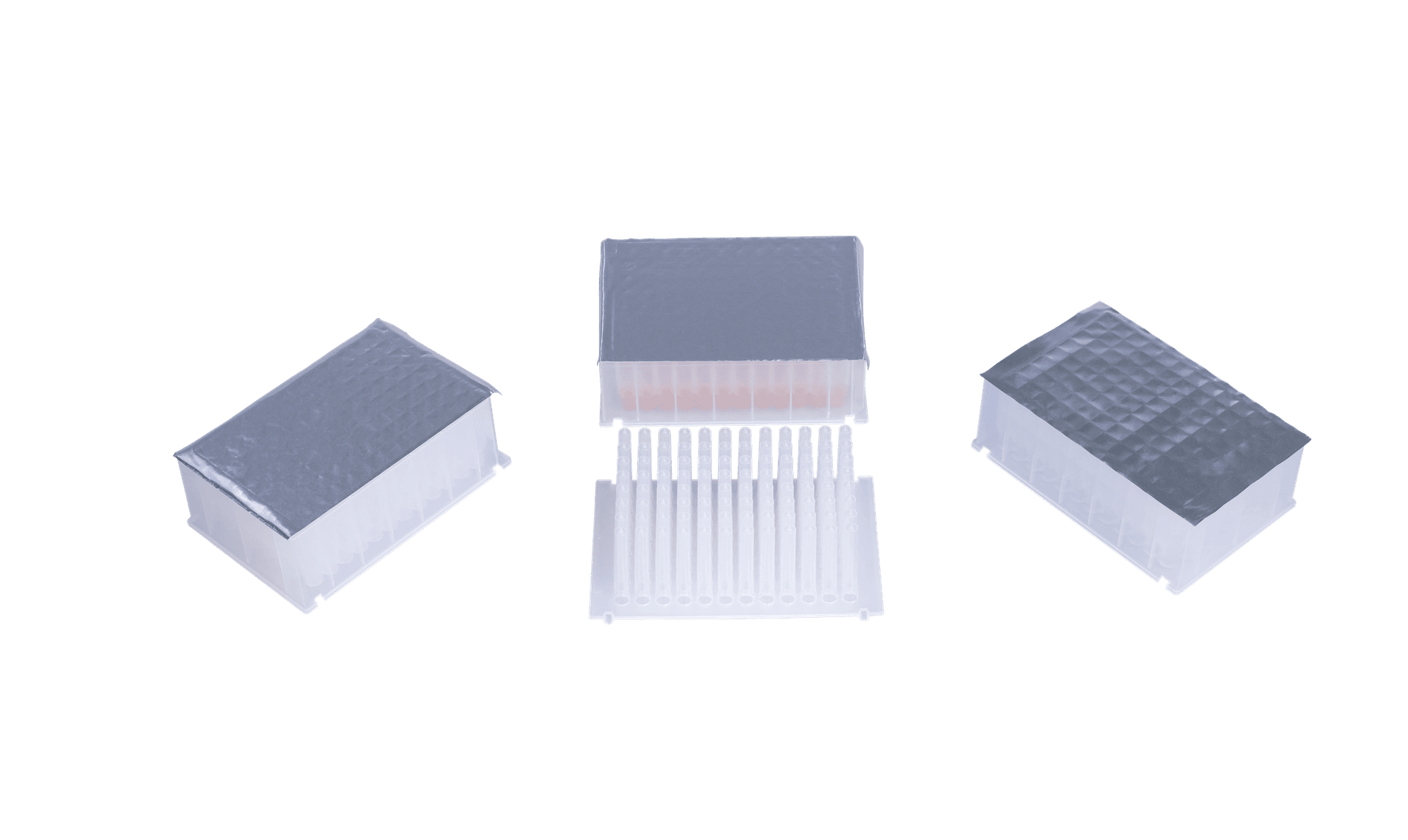
| High-Throughput Workflows | Deep-well plates and selected plate-based consumables |
| OEM & Private Label | Customized labels, cartons, barcodes, multilingual packaging |
| Documentation Support | ISO certificates, sterilization-related documents, product specifications |
By supporting multiple workflow categories through a single supplier relationship, laboratories and distributors may simplify sourcing processes while improving supply continuity across dengue testing programs.
Related Yuanzan product pages for these workflows include Universal Fit Pipette Tips, Microcentrifuge Tube, PCR 8-Strip Tube, PCR Plate, Deep Well Plate, and Sealing Film.
Conclusion
For laboratory procurement teams, dengue diagnostics present a unique sourcing challenge due to fluctuating testing demand, multiple diagnostic workflows, and the need to manage a wide range of consumables across different platforms. Successful procurement strategies often focus on consumables standardization, supplier consolidation, inventory visibility, and long-term supply reliability rather than individual product pricing alone.
As dengue testing programs continue to expand across Latin America and other endemic regions, a structured sourcing approach can help laboratories and distributors improve operational efficiency while maintaining readiness for changing diagnostic demand.
FAQ
How can laboratories reduce inventory complexity across dengue testing workflows?
Many laboratories standardize consumables such as tubes, pipette tips, and storage products whenever possible to reduce the number of SKUs that must be managed.
Is it beneficial to source PCR consumables and storage products from the same supplier?
For some buyers, consolidated sourcing may simplify procurement management, improve communication, and reduce supplier coordination efforts.
What documentation is commonly requested when sourcing molecular diagnostics consumables?
Depending on the market and application, buyers may request ISO certificates, product specifications, sterilization-related documents, and other technical documentation.