Introduction
Organoid research has become an important model system for studying tissue development, disease mechanisms, drug responses, and personalized medicine. As organoid applications continue to expand, laboratories rely on a wide range of consumables to support culture, passaging, sample processing, storage, and downstream analysis.
This article explores the role of laboratory consumables throughout organoid workflows and key considerations when selecting products for different stages of the research process.
1.Where Consumables Fit into an Organoid Workflow
Although organoid protocols vary depending on tissue type, culture system, and downstream application, most workflows include several common stages:
Cell Preparation → Organoid Culture → Medium Change → Passaging → Sample Processing → Analysis or Storage
Different consumables become important at different stages, and no single product category supports the entire workflow. Selecting compatible consumables across the workflow can help simplify laboratory operations and improve consistency.
Rather than functioning as isolated products, these consumables work together across multiple stages of the workflow.
| Workflow Stage | Common Consumables |
|---|---|
| Cell Preparation | Pipette Tips, Centrifuge Tubes, Microcentrifuge Tubes |
| Organoid Culture | Cell Culture Plates, Dishes, Flasks |
| Medium Changes | Serological Pipettes, Pipette Tips |
| Passaging | Pipette Tips, Centrifuge Tubes, Culture Vessels |
| Sample Processing | Centrifuge Tubes, Microcentrifuge Tubes |
| Molecular Analysis | PCR Tubes, PCR Plates, Filter Tips |
| Cryopreservation | Cryogenic Tubes |
2. Cell Culture and Routine Maintenance
The success of an organoid experiment depends heavily on maintaining consistent culture conditions throughout long-term cultivation.
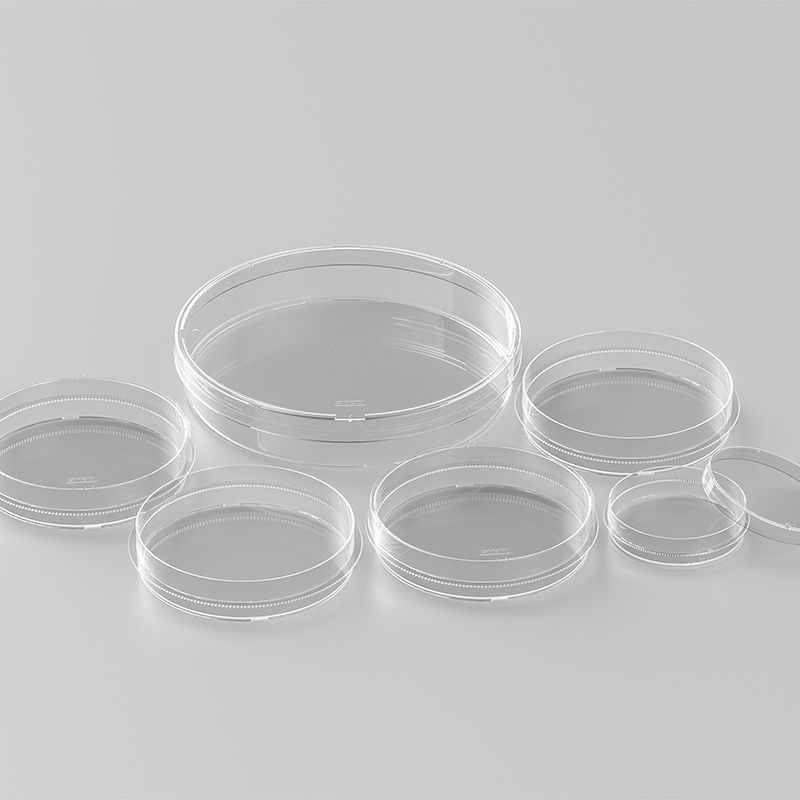
Researchers commonly work with cell culture plates, dishes, and flasks to support organoid growth, monitor development, and prepare cultures for subsequent passaging. The appropriate culture format often depends on sample throughput, culture volume, experimental design, and downstream applications.
Depending on organoid type and culture scale, researchers may choose multiwell plates for screening applications, culture dishes for routine maintenance, or larger vessels for expansion and long-term studies.
For laboratories maintaining multiple organoid lines simultaneously, consistency in culture vessel selection can simplify routine operations and reduce variability between experiments.
When evaluating culture vessels, common considerations include:
● Growth area and working volume
● Compatibility with existing workflows
● Sample organization requirements
● Scalability for larger studies
● Sterility and quality documentation
Although culture vessels may appear straightforward, they provide the foundation for every subsequent step in the organoid workflow.
3. Liquid Handling Throughout the Workflow
Liquid handling is one of the most frequently performed activities in organoid research. Medium exchanges, washing procedures, reagent preparation, sample transfer, and passaging all rely on accurate and consistent liquid movement.
Unlike many conventional cell culture workflows, organoids are three-dimensional structures that may be sensitive to excessive mechanical stress. As a result, liquid-handling performance can influence both workflow efficiency and sample consistency.
When selecting pipettes and pipette tips, laboratories often focus on several practical considerations.
Pipette Compatibility
Reliable tip fit helps support consistent liquid transfer while improving user comfort during repetitive procedures.
Appropriate Volume Range
Organoid workflows frequently involve both large-volume media handling and smaller-volume sample preparation. Selecting appropriate volume ranges helps improve efficiency across different stages of the workflow.
Low-Retention Performance
When valuable samples or expensive reagents are involved, low-retention tips may help reduce liquid remaining on the tip surface after dispensing.
Organoid experiments often involve costly growth factors, extracellular matrices, and downstream molecular biology reagents. Minimizing residual liquid can help improve reagent utilization and support more consistent sample preparation.
Contamination Control
For workflows that include downstream PCR, qPCR, or sequencing applications, filter tips may provide additional protection against aerosol contamination.
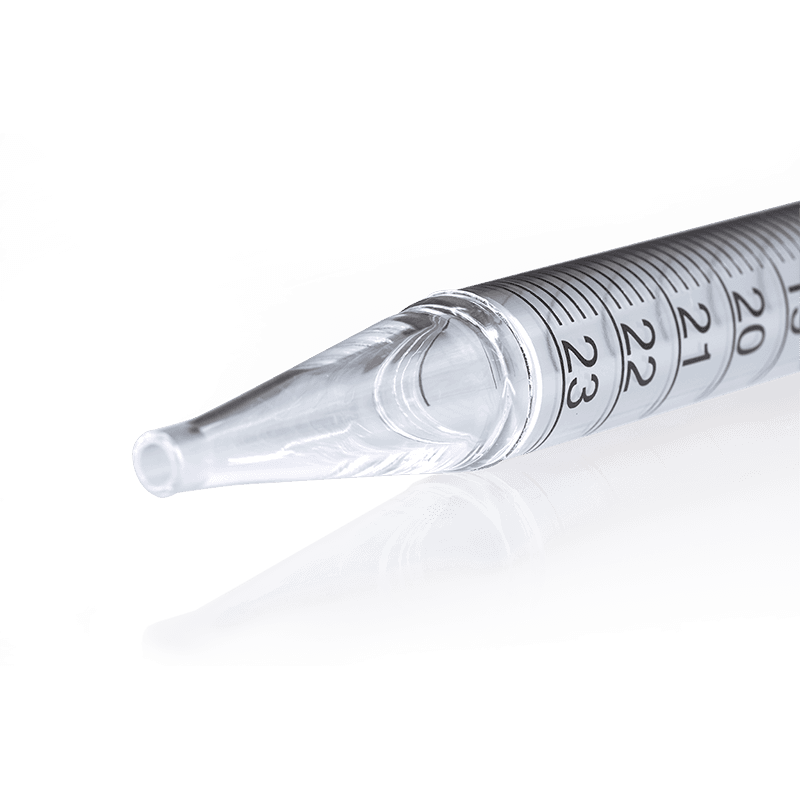
In addition to pipette tips, serological pipettes are commonly used for larger-volume media preparation and routine medium changes, making them another important component of organoid liquid-handling workflows.
4. Sample Processing, Passaging, and Centrifugation
Passaging is one of the most consumable-intensive stages of organoid culture.
Although procedures vary among organoid models, a typical workflow may involve collecting organoids from the culture matrix, washing samples, centrifuging suspensions, resuspending material, and transferring organoids into fresh culture vessels.
Because organoids are often embedded in extracellular matrices, passaging workflows may involve additional recovery and washing steps compared with conventional cell cultures.
A simplified workflow often follows this sequence:
Collection → Washing → Centrifugation → Resuspension → Re-seeding
Because several handling steps occur in succession, multiple consumables must work together efficiently throughout the process.
Commonly used consumables include:
Among these products, centrifuge tubes play a particularly important role. Organoid workflows frequently require sample collection, washing, pelleting, and preparation for further culture or downstream analysis.
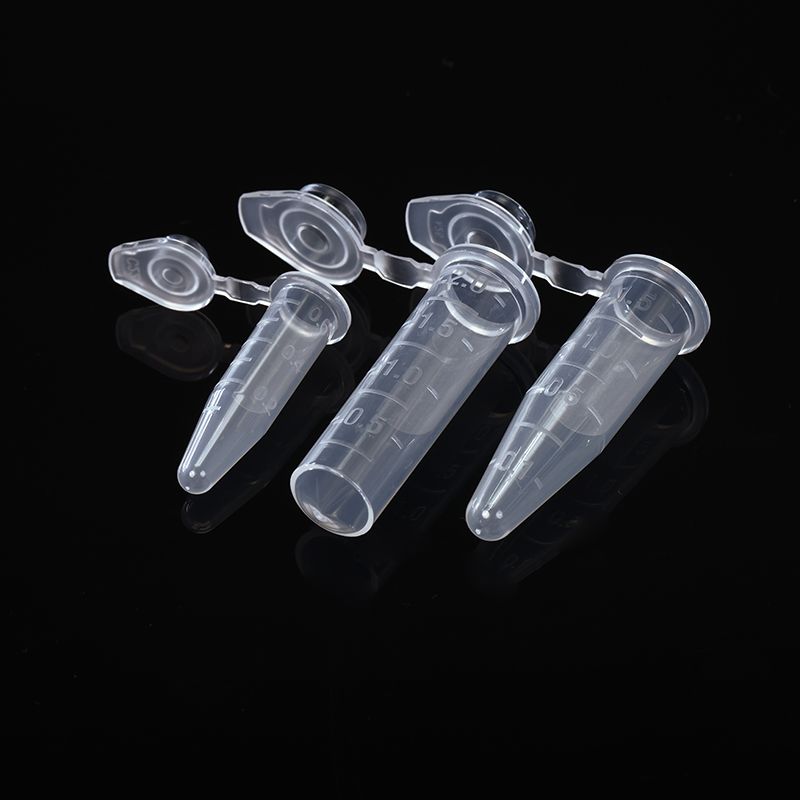
For larger-volume handling, laboratories often use 15 mL or 50 mL centrifuge tubes, while microcentrifuge tubes are commonly selected for smaller-volume processing steps.
When selecting tubes, laboratories may consider:
● Sample volume requirements
● Centrifugation performance
● Chemical compatibility
● Sealing reliability
● Sterility requirements
● Downstream applications
Using consistent tube formats across multiple experiments can also help simplify sample processing and reduce workflow complexity.
5. Storage and Downstream Analysis
Organoid studies often extend well beyond routine culture. Depending on the research objective, samples may be stored for future experiments or processed for molecular analysis.
Cryopreservation and Storage
Long-term organoid research frequently requires preservation of biological material for later recovery, comparison, or validation studies.
Cryopreservation workflows typically involve sample collection, centrifugation, resuspension in cryopreservation media, and transfer into cryogenic storage tubes.
For laboratories maintaining multiple organoid lines, storage systems should support both sample protection and efficient traceability.
Important considerations include:
● Temperature compatibility
● Secure sealing performance
● Sample labeling
● Storage organization
● Long-term traceability
Standardized storage formats can simplify sample management and reduce the risk of identification errors during long-term projects.
Molecular Analysis
Many organoid studies ultimately lead to applications such as:
● PCR and qPCR
● Gene expression analysis
● Sequencing workflows
● Drug-response studies
● Imaging applications
These downstream workflows introduce additional consumables, including PCR tubes, PCR plates, filter tips, sealing films, and microcentrifuge tubes.
The relationship between applications and consumables often looks like this:
As organoid research becomes increasingly integrated with molecular biology techniques, compatibility between culture-stage and analysis-stage consumables becomes an important consideration for workflow planning.
| Application | Typical Consumables |
|---|---|
| PCR/qPCR | PCR Tubes, PCR Plates, Filter Tips |
| RNA/DNA Preparation | Microcentrifuge Tubes, Filter Tips |
| Sequencing Workflows | Low-Retention Tips, PCR Plates |
| Drug Screening | Multiwell Plates, Pipette Tips |
| Imaging Studies | Cell Culture Plates, Sample Containers |
6.Procurement Considerations for Organoid Workflows
When selecting consumables for organoid research, evaluating individual products is only part of the decision-making process. Laboratories often benefit from considering the requirements of the complete workflow.
Workflow Compatibility
Consumables used at different stages should work together efficiently to support routine laboratory operations.
Sterility and Documentation
For cell-based applications, laboratories frequently require sterile products supported by relevant quality documentation and product specifications.
Consistency Across Experiments
Maintaining consistent consumable formats can help reduce unnecessary workflow variation and simplify experimental standardization.
Supplier Consolidation
Many laboratories and distributors prefer sourcing multiple consumable categories from a limited number of suppliers to simplify procurement, inventory management, and quality control.
Scalability
As organoid programs expand from exploratory studies to larger screening projects, laboratories may require consumables that support higher throughput while maintaining workflow consistency.
Balancing Performance and Cost
The optimal product selection often depends on balancing technical requirements with budget considerations, particularly for laboratories operating large-scale or long-term organoid programs.
7.Supporting Workflow Consistency in Organoid Research
Organoid workflows often involve repeated handling steps across culture, passaging, sample processing, storage, and downstream analysis. For laboratories and distributors, maintaining consistency throughout these stages depends not only on product selection but also on reliable supply and consistent quality.
Yuanzan manufactures laboratory consumables in a 3,062 m² Class 100,000 cleanroom facility and operates under ISO 9001:2015 and ISO 13485:2016 quality management systems. With 23 injection molding machines and more than 400 mold sets, we support stable production across multiple consumable categories.
By supplying products used throughout cell culture and molecular biology workflows, Yuanzan helps laboratories and distribution partners simplify sourcing while maintaining consistency across routine operations and long-term research projects.
Selected products are available for sample evaluation prior to larger-scale procurement.
Conclusion
Organoid research relies on more than specialized media and culture systems. From routine liquid handling and passaging to cryopreservation and molecular analysis, every stage depends on consumables that support reliable sample handling and workflow consistency.
Rather than evaluating products individually, laboratories can benefit from considering how consumables function across the entire workflow. A workflow-based approach helps improve compatibility, simplify procurement decisions, and support more efficient organoid research programs.
Looking for Consumables for Organoid Research?
From routine culture and passaging to sample processing and molecular analysis, organoid workflows rely on multiple consumable categories working together efficiently.
Yuanzan supports laboratories, distributors, and OEM/ODM partners with consumables used across cell culture, liquid handling, sample processing, cryogenic storage, and molecular biology applications.
Whether you are evaluating individual products or looking to simplify sourcing across your workflow, our team can help identify suitable solutions for your requirements.
Discuss OEM / Private-Label Supply
FAQ
What consumables are most commonly used in organoid research?
Common categories include cell culture vessels, pipette tips, serological pipettes, centrifuge tubes, microcentrifuge tubes, cryogenic tubes, and PCR consumables.
Why is liquid handling important in organoid culture?
Liquid handling is involved in medium changes, washing, sample transfer, passaging, and reagent preparation. Consistent liquid transfer helps support workflow reliability and sample integrity.
How can laboratories reduce variability in organoid workflows?
Using standardized consumables across culture, passaging, sample processing, and downstream analysis can help reduce workflow variation and improve experimental consistency.
Are low-retention pipette tips useful for organoid research?
They can be beneficial when working with valuable samples, costly reagents, or molecular biology workflows where reducing residual liquid may help improve reagent utilization and handling consistency.
Can Yuanzan provide samples for evaluation?
Selected Yuanzan products are available for sample requests, subject to product category and evaluation requirements.
pics of lab consumables