Bacterial endotoxin testing (BET) plays an important role in quality control for pharmaceutical, biopharmaceutical, and other applications where bacterial endotoxin limits are relevant.
When laboratories evaluate a bacterial endotoxin testing method, attention often focuses on reagents, analytical instruments, and acceptance criteria. However, laboratory consumables are also important.
Pipette tips, sample tubes, reagent containers, and other labware may introduce unwanted endotoxin or interfere with the analytical method if they are unsuitable for the application.
For laboratories, distributors, and OEM procurement teams, selecting appropriate consumables requires a clear understanding of product specifications, assay compatibility, documentation, and supplier qualification.
This guide explains what buyers should evaluate before approving laboratory consumables for endotoxin-related applications.
1. What Is Bacterial Endotoxin Testing?
Bacterial endotoxins are components associated with the outer membranes of Gram-negative bacteria.
Endotoxin testing is used in defined quality-control applications to assess whether relevant products or materials meet applicable endotoxin requirements.
The required method and acceptance criteria depend on the product, intended use, and applicable pharmacopoeial or regulatory requirements.
Common Endotoxin Testing Approaches
Established approaches include traditional methods described in USP General Chapter <85>, Bacterial Endotoxins Test, and recombinant-reagent techniques addressed in USP General Chapter <86>.
| Reference | Main Subject | Procurement Relevance |
|---|---|---|
| USP <85> | Bacterial endotoxin testing using established compendial methods | Determine method-specific labware and reagent requirements |
| USP <86> | Bacterial endotoxin tests using recombinant reagents | Verify the selected method and its suitability for the intended material |
| USP <1085> | Guidelines for bacterial endotoxins testing | Understand method selection, interference, and relevant technical considerations |
| FDA guidance, March 2026 | Pyrogen and endotoxin testing considerations | Review current US regulatory expectations where applicable |
The existence of these references does not mean that every consumable supplied for general laboratory use is suitable for BET.
Product selection should follow the actual method and its qualification requirements.
2. Why Consumables Matter in Endotoxin Testing
Consumables can influence a testing workflow through several mechanisms.
Endotoxin contamination: A product or handling step may introduce endotoxin into the analytical sample.
Material-related interference: The material, additives, or substances released from labware may affect the assay response.
Analyte interaction: Contact with certain materials may affect the amount of endotoxin recovered or measured under the intended conditions.
Handling variability: Inconsistent liquid transfer or sample preparation may introduce additional analytical variation.
These considerations make product evaluation more important than simply selecting the lowest-priced pipette tip or sample container.
Sterile Does Not Mean Endotoxin-Free
Sterility and endotoxin control address different characteristics.
Sterilization aims to control viable microorganisms under specified conditions. It does not automatically establish that bacterial endotoxins are absent or below a relevant acceptance limit.
Similarly, labels such as DNase-free, RNase-free, or low-retention do not independently demonstrate endotoxin suitability.
Buyers should examine the evidence supporting each product claim.
3. Endotoxin Specifications and Supporting Evidence
One of the most important supplier qualification questions is:
What evidence supports the product's suitability for the required endotoxin limit?
A general statement such as "high purity" or "laboratory grade" is not sufficient when the application requires a documented endotoxin specification.
Relevant information may include:
● Product and catalog identification
● The specified endotoxin limit, where applicable
● Measurement units and test method
● The scope of product or lot testing
● Analytical sensitivity or detection limits
● Available product-specific test documentation
● Packaging and handling requirements
Understanding Endotoxin Units
Endotoxin test results are often expressed in Endotoxin Units (EU).
The units and reporting basis may differ according to the tested product or material.
A result expressed as EU/mL is not directly interchangeable with a specification expressed per device, container, or other unit without an appropriate basis for comparison.
Laboratories should therefore confirm both the numerical value and the reporting unit.
No single endotoxin limit should be presented as universally applicable to all laboratory consumables.
Supplier Documentation Checklist
| Document or Information | What Buyers Should Confirm |
|---|---|
| Technical datasheet | Product material, dimensions, intended use and relevant specifications |
| Endotoxin-related test report | Test method, reported limit, scope and product identity |
| COA, where applicable | Whether the report applies to the delivered product or production lot |
| Certificate of Conformity | The specifications or requirements covered by the declaration |
| Quality management certificate | Certified site, system scope and validity |
| Lot identification | Product traceability for repeat orders and investigations |
| Change notification | How relevant material or process changes are communicated |
A supplier's ISO-certified quality management system is useful qualification information, but it is not a substitute for product-specific endotoxin evidence.
4. Assay Interference and Method Suitability
Even where contamination is controlled, laboratory materials should be assessed for potential interference with the analytical procedure.
For example, sample composition or material-related substances may inhibit or enhance an endotoxin assay response.
Method-specific suitability assessments and controls help laboratories determine whether the analytical results can be interpreted reliably.
What Should the Laboratory Verify?
The evaluation may consider:
● The intended test method
● The sample matrix
● Relevant sample-contact materials
● Assay interference or recovery
● Appropriate positive and negative controls
● The laboratory's predefined acceptance criteria
The exact assessment must follow the applicable method and laboratory quality requirements.
A product that meets a documented endotoxin cleanliness specification should not automatically be considered compatible with every BET assay.
Likewise, an acceptable result obtained in one application does not establish suitability across different sample matrices or analytical methods.
5. Selecting Pipette Tips, Tubes and Other Labware
Different laboratory consumables perform different functions in endotoxin-related workflows.
Their qualification should reflect how they contact the sample or test reagents.
Pipette Tips
When evaluating pipette tips, buyers should review:
● Pipette compatibility
● Working volume
● Relevant cleanliness and endotoxin specifications
● Material characteristics
● Liquid handling performance
● Product documentation and lot identification
Low-retention tips may be relevant to some applications, but lower liquid retention does not demonstrate endotoxin control.
Filter tips may serve contamination-control purposes, but filtration does not automatically guarantee BET suitability.
Sample Tubes and Containers
For tubes and sample containers, relevant factors include:
● Contact material
● Required capacity and working volume
● Closure characteristics
● Intended operating conditions
● Potential assay interference
● Applicable endotoxin specifications
● Product and lot documentation
Not every BET workflow requires centrifuge tubes, PCR tubes, or deep-well plates.
These products should be selected only where they have a defined role in the method.
Labware Qualification Matrix
| Product | Primary Check | Additional Qualification |
|---|---|---|
| Pipette tips | Fit, volume and transfer performance | Endotoxin-related evidence and assay suitability |
| Sample containers | Material, capacity and closure | Contamination and interference assessment |
| Reagent containers | Material and handling conditions | Suitability for reagents and specified cleanliness requirements |
| Assay-specific labware | Method and instrument compatibility | Supplier specifications and method-defined qualification |
6. Evaluating a Second Supplier or OEM Manufacturer
For distributors and procurement teams, finding an alternative laboratory consumables supplier can help diversify purchasing options.
However, supplier replacement should be handled as a qualification project rather than a price-only comparison.
A practical process begins with the current reference product.
What to Include in an RFQ
| RFQ Field | Information to Provide |
|---|---|
| Reference SKU | Existing brand or product number |
| Product type | Pipette tip, tube or other labware |
| Application | Intended analytical workflow |
| Specifications | Material, dimensions, packaging and relevant technical requirements |
| Endotoxin requirements | Applicable limit and required evidence |
| Target market | Country or region of supply |
| Annual demand | Estimated purchasing volume |
| OEM requirements | Labeling, private label, packaging or customization |
Evaluation Before Bulk Purchasing
Before approving a new supplier, the buyer should review the available product specifications and supporting documentation.
Where appropriate, samples should be evaluated under the laboratory's established procedures.
A preliminary product match does not establish that a replacement has been qualified for a regulated testing application.
For procurement teams considering laboratory plasticware OEM or private-label programs, the scope of technical responsibilities, product evidence, and change notification should also be agreed before supply begins.
7. Yuanzan Laboratory Consumables and OEM Sourcing
Yuanzan Life Sciences supplies selected laboratory plastic consumables for liquid handling, molecular biology, sample processing, and other general laboratory workflows.
Product categories include pipette tips, centrifuge tubes, PCR consumables, and selected sample-processing products.
For distributors, laboratory brands, and procurement organizations, Yuanzan can support discussions about:
● Reference SKU matching
● Product specifications
● Packaging and private-label requirements
● Available technical and quality documentation
● Commercial sample evaluation
● Estimated purchasing volume
● OEM/ODM feasibility
Product suitability for bacterial endotoxin testing must be established separately.
Yuanzan does not represent its general-purpose consumables as universally endotoxin-free or validated for all BET applications.
Where a buyer requires a documented endotoxin limit or assay-specific qualification, the relevant evidence must be reviewed for the exact product before any suitability claim is made.
Explore Relevant Products and Services
Laboratory Consumables Portfolio
OEM and Private-Label Manufacturing
Conclusion
Bacterial endotoxin testing consumables should be selected according to the analytical method, product specifications, contamination requirements, and available supporting evidence.
Sterility and general cleanliness claims are not substitutes for endotoxin-related documentation.
For procurement teams, supplier qualification should address both product suitability and repeat-supply requirements.
A structured approach helps buyers identify documentation gaps, evaluate alternative suppliers, and make more informed purchasing decisions.
Discuss Your Laboratory Consumable Requirements
Are you evaluating pipette tips, sample tubes, or laboratory plasticware for a workflow with specific endotoxin requirements?
Share your reference SKU, intended application, required specifications, documentation needs, target market, and estimated purchasing volume.
Yuanzan can review available product information, sample options, and OEM/private-label sourcing requirements.
Request Samples for Supplier Evaluation
Discuss OEM / Private-Label Manufacturing
Commercial sample availability and supporting documentation depend on the specific product and project. Product qualification for bacterial endotoxin testing must be confirmed independently.
References
1. United States Pharmacopeia — General Chapter <1085>, Guidelines for Bacterial Endotoxins Testing.
2. US FDA — Pyrogen and Endotoxins Testing: Questions and Answers, March 2026.
3. US FDA — FDA Clarifies Current Thinking on Pyrogen and Endotoxins Testing.
These references provide general technical and regulatory context; they do not constitute independent qualification of Yuanzan products.
FAQ
Are sterile pipette tips suitable for bacterial endotoxin testing?
Not automatically. Sterility does not establish that a product meets an applicable endotoxin limit or is compatible with the selected assay.
What is the difference between USP <85> and USP <86>?
USP <85> addresses established bacterial endotoxin testing methods, while USP <86> introduces additional recombinant-reagent approaches. The laboratory must verify method suitability for its intended application.
Can a supplier's ISO certification replace product-level endotoxin testing?
No. Quality management certification and product-specific endotoxin evidence serve different purposes.
Does Yuanzan supply endotoxin-qualified consumables?
Yuanzan supplies selected general laboratory consumables. Whether a specific SKU meets a buyer's endotoxin-related requirements must be confirmed from the applicable product documentation and assessment.
Can distributors request samples before a bulk order?
Selected products are available for qualified commercial sample evaluation, subject to availability and project requirements.
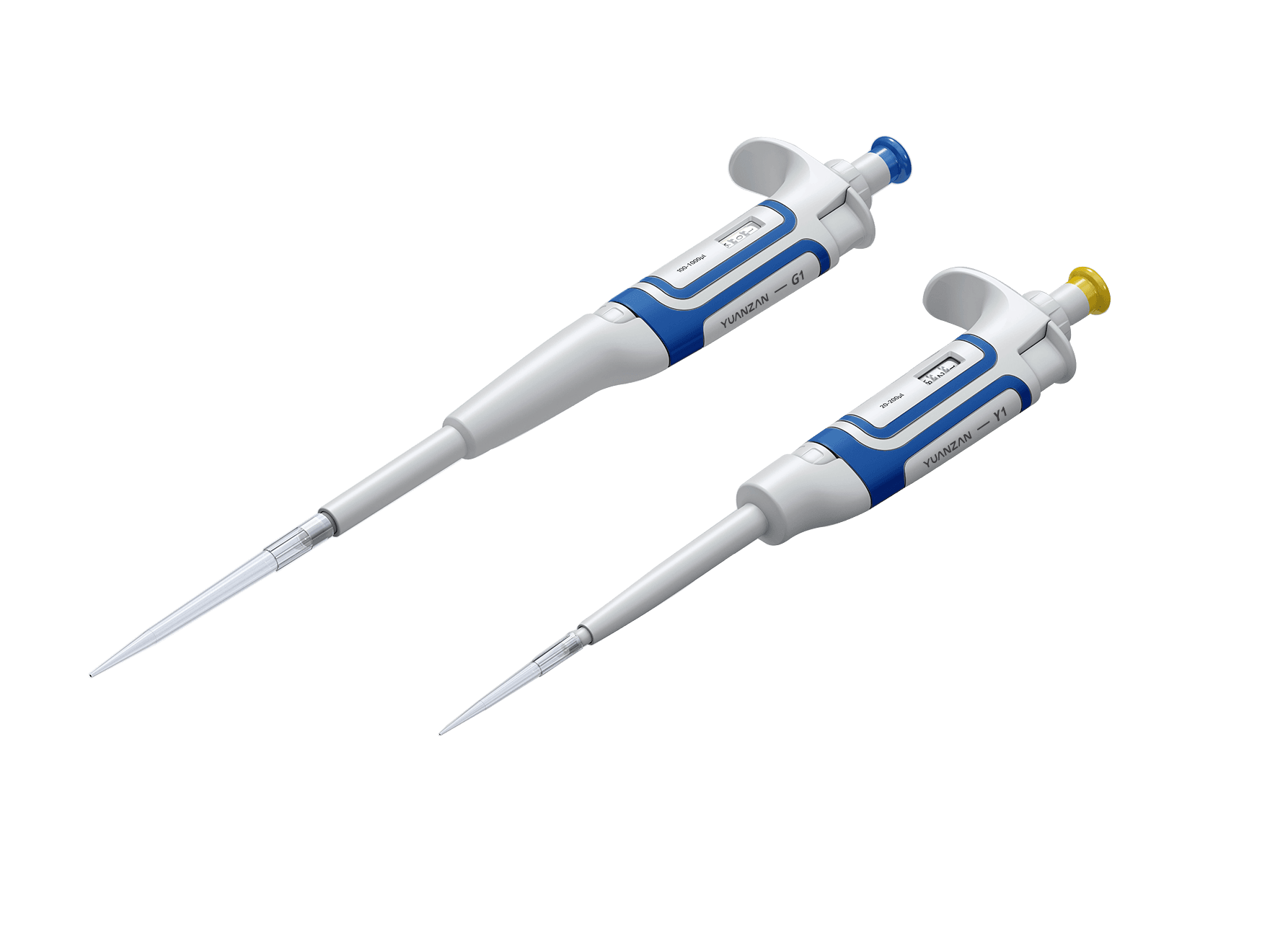
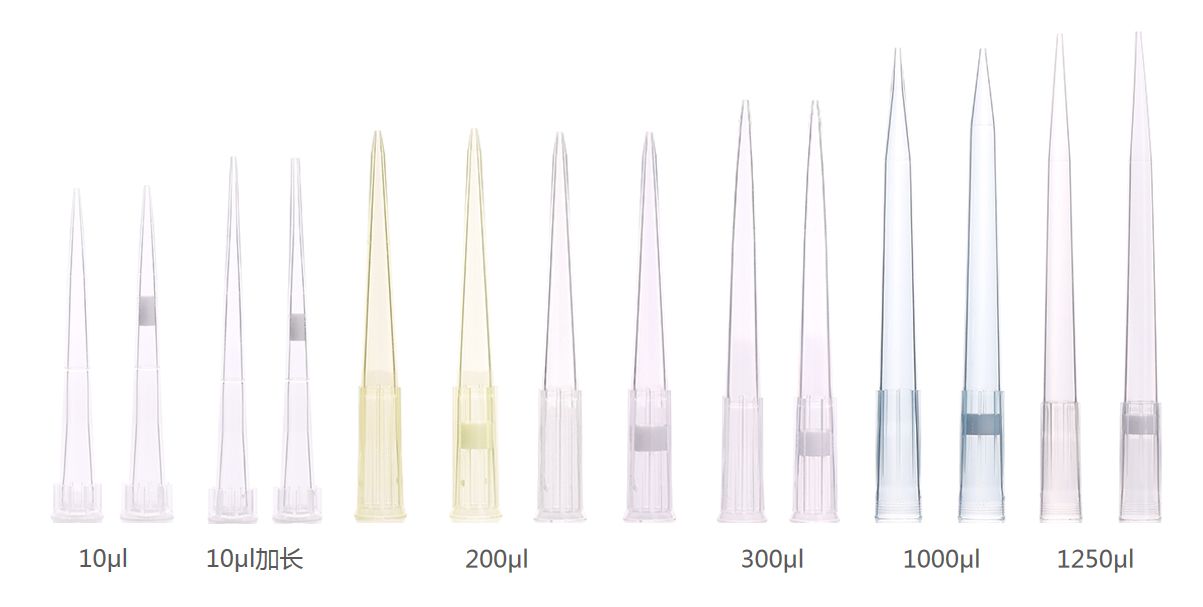
pics of liquid handling consumables