Measles activity in the United States increased significantly in 2026, placing continued demands on public health surveillance, laboratory diagnostics, and testing supply chains.
According to the U.S. Centers for Disease Control and Prevention (CDC), 5,182 confirmed measles cases had been reported nationwide as of November 5, 2026. The CDC also reported 43 outbreaks during 2026, with 96% of confirmed cases associated with outbreaks. The 2026 case total had already exceeded the full-year total of 2,289 cases reported in 2025.
These figures highlight the importance of reliable laboratory testing capacity. For laboratories supporting measles surveillance and outbreak investigations, molecular testing workflows require suitable sample-processing materials, liquid-handling products, and PCR consumables.
This guide examines the role of RT-PCR in measles laboratory testing, the consumables commonly used across related workflows, and practical considerations for laboratory procurement teams, distributors, and diagnostic suppliers.
Case figures are based on CDC reporting updated November 6, 2026, and remain subject to revision.
1. U.S. Measles Activity in 2026: Implications for Laboratory Testing
Measles is a highly contagious viral disease. Laboratory confirmation plays an important role in identifying suspected infections, supporting outbreak investigations, and monitoring transmission.
The CDC's November 6, 2026 update reported:
| Indicator | Reported Figure |
|---|---|
| Confirmed U.S. measles cases in 2026 | 5,182 |
| Jurisdictions reporting cases | 47 |
| Cases among international visitors | 18 |
| New outbreaks reported in 2026 | 43 |
| Cases associated with outbreaks | 96% |
An outbreak is defined by the CDC as three or more related cases.
The reported figures are national surveillance statistics. They should not be interpreted as a direct measure of testing volume or consumable demand at an individual laboratory.
For laboratory managers and procurement teams, actual requirements depend on local surveillance activity, specimen volume, testing capacity, and the diagnostic methods used.
The practical procurement challenge is therefore not simply to increase inventory, but to maintain access to compatible laboratory consumables and qualified suppliers as testing requirements change.
2. Measles Laboratory Testing: RT-PCR and Serology
Laboratory confirmation of measles may involve both molecular and serological testing.
Real-Time RT-PCR
Real-time reverse transcription polymerase chain reaction (RT-PCR) detects measles virus RNA in clinical specimens.
According to the CDC, nasopharyngeal and throat swabs are preferred over urine specimens for molecular testing. Specimen collection should take place as soon as measles is suspected.
RT-PCR detection is most successful when specimens are collected from the first day of rash through the following three days. Detection may remain possible later, depending on specimen quality, collection timing, and the applicable testing instructions.
Serological Testing
Serological testing detects measles-specific antibodies in serum specimens.
Measles-specific IgM testing can provide presumptive evidence of a current or recent infection. It is commonly used alongside molecular testing as part of laboratory confirmation.
RT-PCR and serology serve different diagnostic purposes and should not be treated as interchangeable methods.
Specimen Handling Requirements
The main specimen types used in measles testing include:
● Nasopharyngeal swabs
● Throat swabs
● Urine specimens
● Blood specimens for serological testing
Collection, preservation, transport, and submission requirements should follow the receiving laboratory's instructions and applicable public health guidance.
The CDC recommends that laboratories and healthcare providers contact their state or local health department before submitting specimens, as submission procedures and shipping requirements may vary.
3. Key Laboratory Consumables for Measles RT-PCR Workflows
Consumable requirements vary according to the laboratory's validated testing method, sample-processing system, and PCR instrument.
Not every laboratory uses the same consumable formats or processing steps.
The following table summarizes common product categories across molecular testing workflows.
| Workflow Stage | Common Consumables | Main Considerations |
|---|---|---|
| Specimen Collection and Transport | Swabs, specimen containers, transport media | Follow receiving laboratory requirements |
| Sample Preparation and RNA Extraction | Pipette tips, filtered tips, microcentrifuge tubes, centrifuge tubes | Volume compatibility and contamination-control requirements |
| Automated Extraction | Deep-well plates, compatible tip combs, pipette tips | Platform compatibility and plate configuration |
| RT-PCR Setup | PCR single tubes, 8-strip tubes, PCR plates, compatible caps or seals | Instrument format, reaction volume and sealing requirements |
| Sample Storage | Microcentrifuge tubes, cryogenic tubes | Closure integrity, material and storage conditions |
Liquid Handling and Sample Preparation
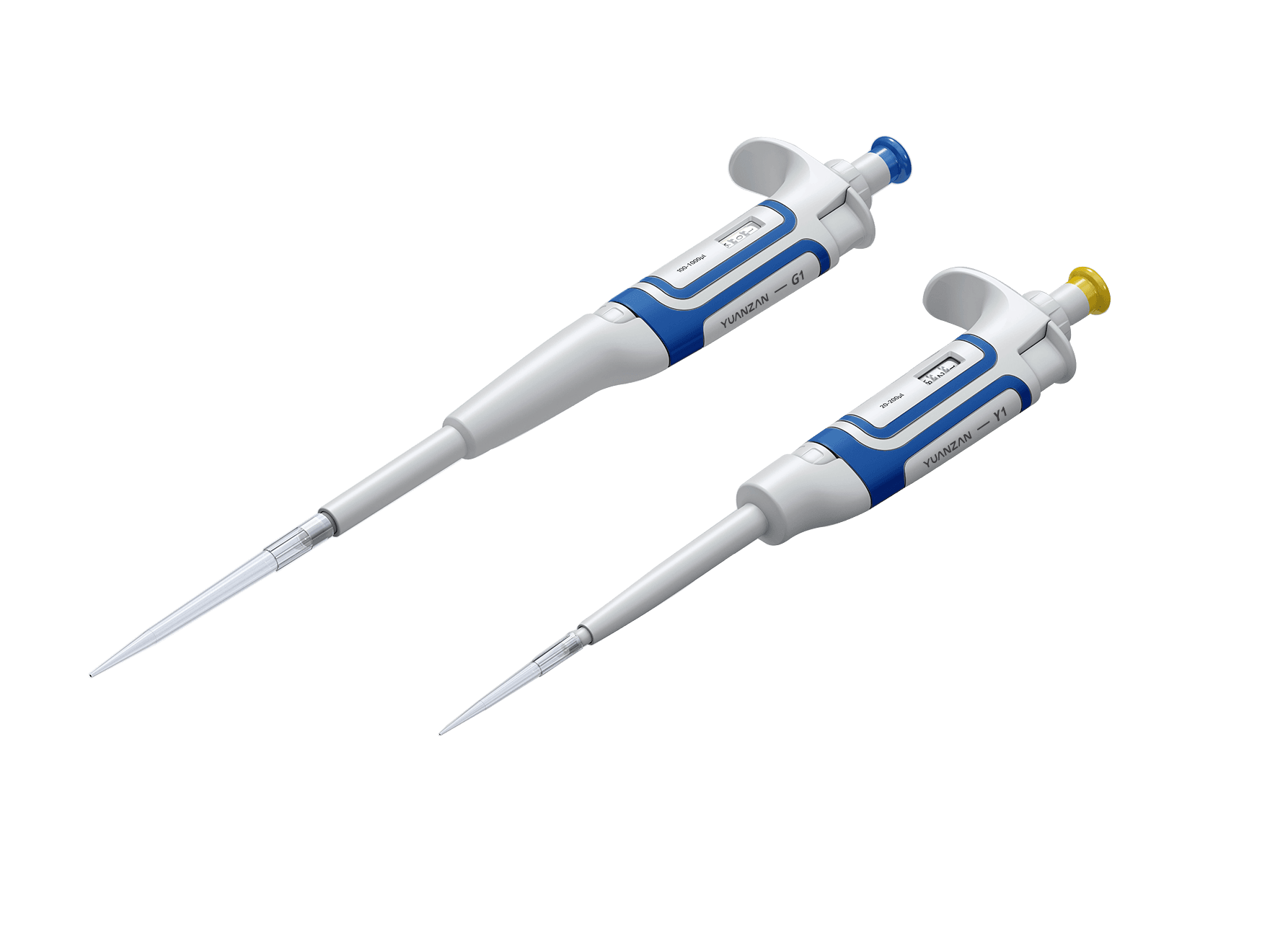
Pipette tips and microcentrifuge tubes are commonly used during sample preparation and nucleic acid extraction.
When selecting liquid-handling consumables, laboratories should consider:
● Compatibility with existing pipettes and liquid-handling systems
● Available volume ranges
● Tip fit and sealing performance
● Sterile or non-sterile specifications, where required
● Filter options for contamination-sensitive workflows
● Packaging and product traceability
Filtered pipette tips may help reduce the risk of aerosol or droplet contamination entering the pipette during liquid handling. However, they do not replace appropriate laboratory contamination-control procedures.
For laboratories using automated extraction systems, deep-well plates and compatible tip combs may also be required.
PCR Tubes and Plates
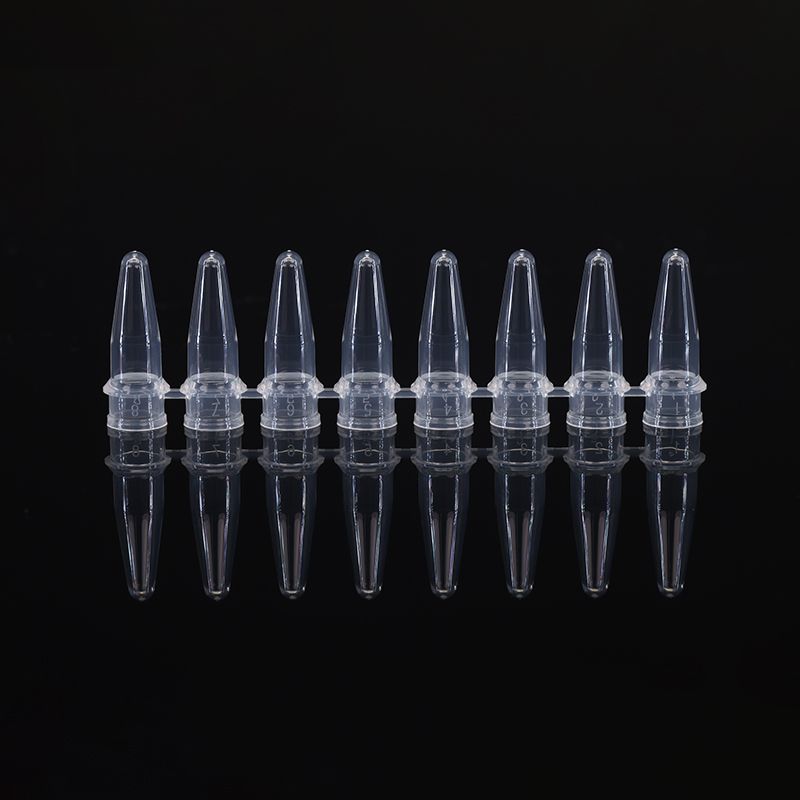
PCR tubes, 8-strip tubes, and PCR plates provide reaction vessels for molecular amplification.
The appropriate format depends on the assay design, reaction volume, sample throughput, and instrument configuration.
Important selection criteria include:
● Tube or plate dimensions
● Well configuration and reaction volume
● Compatibility with the intended PCR instrument
● Cap or sealing configuration
● Thermal performance
● Optical properties when required by fluorescence-based detection
Not all PCR plates, tubes, caps, or sealing materials are interchangeable.
In particular, laboratories using real-time PCR instruments should confirm optical compatibility and sealing requirements before purchasing products in bulk.
Sample Processing and Storage Consumables
Centrifuge tubes, microcentrifuge tubes, and cryogenic storage tubes support different stages of sample processing and storage.
Buyers should evaluate:
● Tube material and nominal capacity
● Closure design and leakage resistance
● Maximum specified relative centrifugal force (RCF), where applicable
● Temperature compatibility
● Labeling and traceability
● Compatibility with existing laboratory equipment
Storage conditions must follow the specimen-specific requirements and validated laboratory procedures.
4. How Laboratories Should Evaluate PCR Consumables
Selecting laboratory consumables involves more than comparing unit prices or nominal product specifications.
For procurement teams, the following factors provide a practical framework for supplier and product evaluation.
1. Instrument and Workflow Compatibility
Confirm that PCR plates, tubes, tips, and other consumables match the intended instruments and processing methods.
Physical fit alone does not establish application suitability.
Where necessary, laboratories should evaluate samples using their actual equipment and established procedures.
2. Product Specifications and Quality Documentation
Review relevant product information, including:
● Material specifications
● Dimensions and capacity
● Sterility status, where applicable
● DNase/RNase-free or other cleanliness claims, where applicable
● Product-specific quality documentation
● Batch identification and traceability
Claims such as PCR inhibitor-free, pyrogen-free, or endotoxin-free should be supported by relevant product documentation rather than assumed across an entire product range.
3. Packaging and Supply Consistency
Packaging configuration can affect laboratory storage, handling efficiency, and procurement costs.
Buyers should compare:
● Individual packaging and bulk packaging
● Units per bag or carton
● Sterile and non-sterile packaging options
● Labeling and product identification
● Repeat-order specification consistency
4. Sample Evaluation Before Bulk Purchasing
Sample evaluation allows laboratories and distributors to review product dimensions, material characteristics, equipment compatibility, and handling performance before committing to larger orders.
A structured evaluation process can help identify specification mismatches and reduce procurement risks.
For a practical reference, see the Laboratory Consumables Sample Evaluation Checklist.
5. Yuanzan Laboratory Consumables for Molecular Testing Workflows
Yuanzan supplies selected laboratory consumables for liquid handling, molecular biology, sample processing, and laboratory storage applications.
Its product portfolio includes several categories relevant to general molecular biology workflows.
| Product Category | Representative Products | Application Area |
|---|---|---|
| PCR and Molecular Biology | PCR single tubes, PCR 8-strip tubes, PCR plates | PCR setup and molecular biology workflows |
| Liquid Handling | Manual pipettes, universal-fit pipette tips, classic pipette tips | Routine liquid transfer and sample preparation |
| Sample Processing | Centrifuge tubes, microcentrifuge tubes, deep-well plates | Sample processing and laboratory handling |
| Nucleic Acid Extraction Support | Deep-well plates, selected tip combs | Compatible automated extraction workflows |
| Sample Storage | Cryogenic tubes and related storage products | Laboratory sample storage |
Explore the relevant product categories:
● PCR Consumables and Molecular Biology Plasticware
● Cell Culture and Sample Storage Consumables
Product specifications, compatibility, and applicable quality documentation should be reviewed at the individual SKU level.
The products listed above are general laboratory consumables. They are not represented as specifically validated, approved, or authorized for clinical measles diagnostic testing.
Laboratories must independently assess product suitability against their intended applications and validated procedures.
Sample Evaluation and OEM / Private-Label Support
For distributors, importers, diagnostic suppliers, and laboratory brands, supplier qualification involves more than selecting individual products.
A practical evaluation may include:
● Reference SKU and product specification matching
● Sample evaluation
● Product and packaging review
● Quality documentation assessment
● Labeling and private-label requirements
● Repeat-order and supply planning
Yuanzan supports selected laboratory consumables for standard supply, OEM, and private-label projects, subject to product availability and project requirements.
Learn more:
● Request Selected Laboratory Consumable Samples
● Yuanzan Manufacturing Capabilities
6. Planning Laboratory Consumable Supply During Increased Testing Activity
An increase in measles surveillance or outbreak investigations may create additional procurement requirements for public health and molecular diagnostic laboratories.
However, national case counts alone cannot determine the amount of consumables an individual laboratory needs.
Procurement planning should consider several operational factors.
Review Historical Consumption
Track the routine usage of PCR tubes, plates, pipette tips, microcentrifuge tubes, and other relevant products.
Historical consumption provides a more reliable starting point for inventory forecasting.
Account for Testing Volume and Workflow Changes
Forecasts should reflect expected specimen volume, testing frequency, extraction methods, reaction formats, and repeat-testing requirements.
Evaluate Supplier Lead Times
Consider production schedules, minimum order quantities, shipping arrangements, customs clearance, and internal purchasing procedures.
Maintain Product and Supplier Documentation
Keep relevant product specifications, certificates, quality records, and batch information available for procurement review.
For distributors and OEM buyers, standardizing frequently used product specifications can also simplify catalog management and repeat purchasing.
Conclusion
Measles laboratory testing involves coordinated molecular and serological methods, with RT-PCR playing an important role in detecting viral RNA and supporting outbreak investigations.
For laboratories handling measles-related specimens, the selection of PCR consumables, pipette tips, sample-processing products, and storage materials should be based on actual testing methods, equipment compatibility, and laboratory quality requirements.
For distributors, diagnostic suppliers, and procurement teams, a reliable sourcing strategy should prioritize product specifications, sample evaluation, supporting documentation, and repeat supply consistency.
The objective is not simply to purchase laboratory consumables at a lower unit price, but to establish a dependable supply arrangement that meets the requirements of the intended workflow.
Discuss Your Laboratory Consumable Supply Requirements
Yuanzan supplies selected laboratory consumables for molecular biology, liquid handling, sample processing, and laboratory storage applications.
Whether you are a laboratory distributor, diagnostic supplier, or OEM buyer, our team can discuss product specifications, reference SKU matching, sample evaluation, and private-label sourcing requirements.
To help us assess your requirements, please share:
● Product categories or reference SKUs
● Required specifications and packaging
● Target market
● Estimated purchasing volume
● Instrument or workflow compatibility requirements
● Relevant documentation requirements
Explore the following options:
● Request Selected Consumable Samples
● Discuss OEM and Private-Label Manufacturing
● Explore Yuanzan Laboratory Consumables
Product availability, documentation, and application suitability should be confirmed for each individual SKU and intended laboratory workflow.
References
1. CDC. Measles Cases and Outbreaks. Updated November 6, 2026.
2. CDC. Laboratory Testing for Measles. June 12, 2024.
3. CDC. Chapter 7: Measles — Manual for the Surveillance of Vaccine-Preventable Diseases. June 3, 2025.
FAQ
1. What specimens are used for measles RT-PCR testing?
The CDC identifies nasopharyngeal and throat swabs as preferred specimens for measles RT-PCR testing. Urine may also be used. Blood specimens are collected separately for serological testing.
2. What is the difference between measles RT-PCR and serological testing?
RT-PCR detects measles virus RNA in clinical specimens, while serological testing detects measles-specific antibodies such as IgM in serum. The two methods provide different types of diagnostic information.
3. What consumables are commonly used in measles RT-PCR workflows?
Depending on the laboratory's testing method, common consumables may include pipette tips, filtered pipette tips, microcentrifuge tubes, centrifuge tubes, PCR tubes, PCR plates, compatible caps or sealing materials, and sample storage tubes.
4. Are all PCR plates and tubes compatible with real-time PCR instruments?
No. Compatibility depends on the instrument, plate or tube format, reaction volume, sealing configuration, and optical requirements. Buyers should confirm compatibility using product-specific information before purchasing.
5. Are Yuanzan consumables specifically validated for clinical measles testing?
Yuanzan's products are general laboratory consumables and are not represented as specifically validated or approved for measles diagnostic testing. Laboratories must assess suitability for their intended workflows independently.
6. Can overseas distributors request samples or OEM laboratory consumables?
Selected laboratory consumables may be available for commercial evaluation. Yuanzan also supports selected OEM and private-label projects, subject to product specifications, availability, and project requirements.
pics of lab consumables