Selecting laboratory consumables for in vitro fertilization (IVF) and assisted reproductive technology (ART) requires a different level of scrutiny from ordinary laboratory purchasing.
Some products are used for general laboratory support, while others directly contact gametes, embryos, or culture media.
These applications do not carry identical qualification requirements.
For products involved in sensitive embryo-related workflows, intended use, biological suitability, sterility, materials, and traceability may be critical considerations.
At the same time, laboratory managers and purchasing teams must maintain reliable supply, review supplier documentation, and manage operational costs.
This guide explains how to assess IVF laboratory consumables using a risk-based approach, with reference to the revised 2026 ESHRE recommendations for good practice in IVF laboratories.
It also clarifies why general laboratory plasticware should not automatically be treated as suitable for clinical embryo handling.
1. Understanding IVF Laboratory Consumable Categories
IVF laboratories use a variety of disposable products.
However, the relevant technical and regulatory requirements depend on the product's intended purpose.
Products Used in Direct Embryo-Related Workflows
Examples of specialized product categories include:
● Embryo culture dishes and suitable culture vessels
● Specialized oocyte or embryo handling products
● Micromanipulation-related disposables
● Products intended for contact with embryo culture media
● Embryo or oocyte cryopreservation devices
These applications can require product-specific biological evaluation, appropriate intended-use documentation, and additional qualification evidence.
A general-purpose cell culture dish should not be assumed suitable for embryo culture.
Likewise, an ordinary cryogenic tube is not automatically an approved oocyte or embryo cryopreservation device.
General Laboratory Supporting Consumables
Supporting activities may involve products such as:
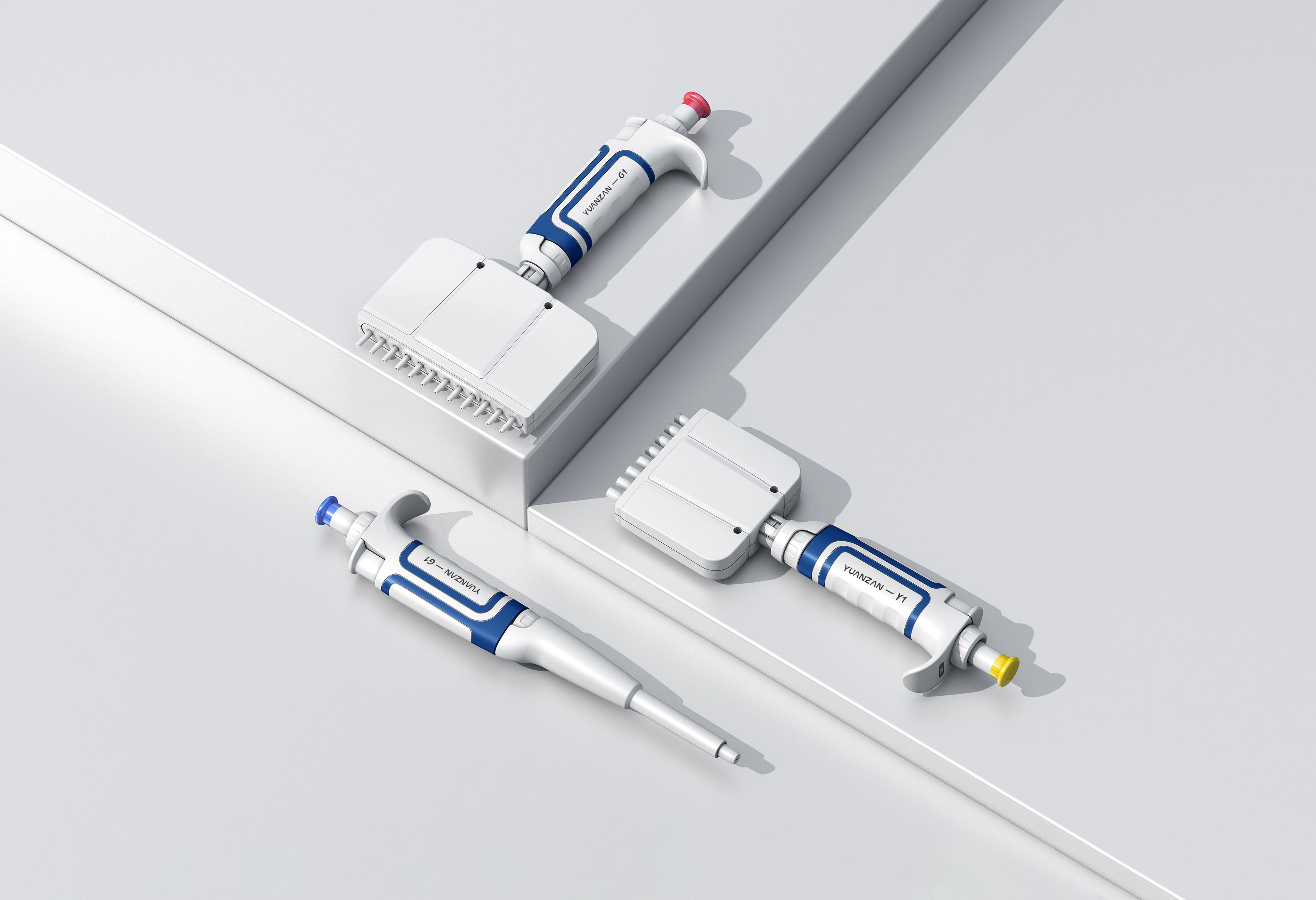
● Manual pipettes
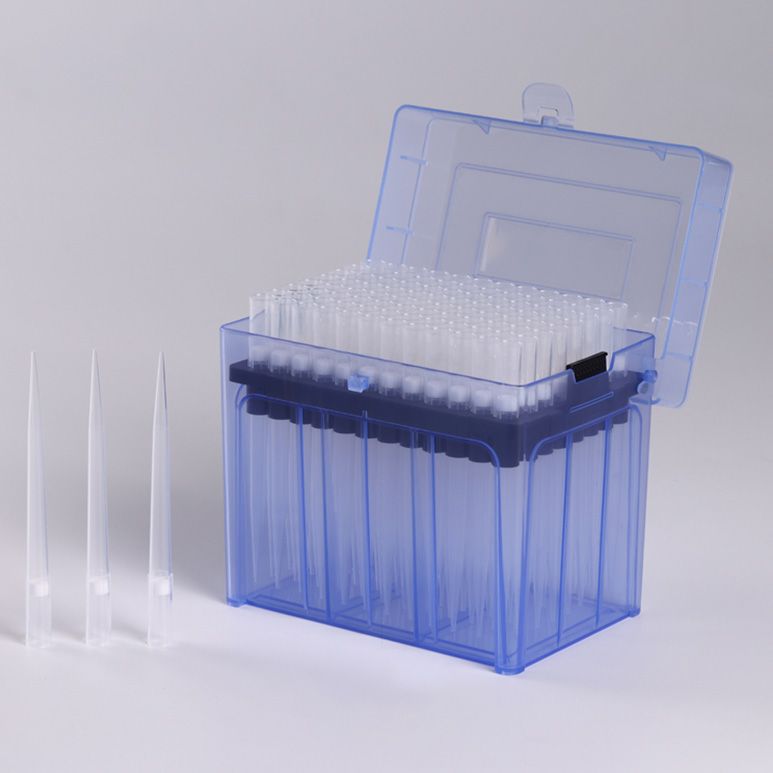
● Pipette tips
● Sample preparation tubes
● Media-handling containers
● General storage and organization products
Depending on how these products are used, their qualification requirements may differ.
The laboratory should still confirm material suitability, contamination-control needs, and any indirect contact with sensitive materials.
The intended use and actual exposure pathway should determine the level of product scrutiny.
2. ESHRE 2026: Quality and Consumable Management
The European Society of Human Reproduction and Embryology (ESHRE) published revised recommendations for good practice in IVF laboratories in 2026.
The guidance addresses laboratory organization, quality management, consumables, patient and sample identification, embryo-related procedures, cryopreservation, and emergency preparedness.
For procurement teams, this reinforces the importance of controlled product selection and documented quality practices.
Key Qualification Areas
| Area | What Buyers Should Evaluate |
|---|---|
| Intended use | Whether the product is intended for the specific ART procedure |
| Applicable regulations | The product's status in the intended market |
| Product materials | Relevant material characteristics and supporting information |
| Sterility | Applicable sterility status and supporting evidence |
| Biological suitability | Relevant tests and product-specific documentation |
| Lot identification | Traceability of the supplied product |
| Expiry and storage | Stated shelf life and handling requirements |
| Change control | Information on relevant manufacturing and specification changes |
| Incoming inspection | Laboratory acceptance requirements for supplied products |
The appropriate evidence depends on the specific product and intended use.
ESHRE professional guidance also should not be confused with a legal product approval or a supplier certification.
Regional Regulatory Considerations
For buyers in Europe, the United Kingdom, the United States, and Canada, requirements may differ by product type and intended clinical application.
A product's availability in one market does not establish authorization in another.
Procurement teams should verify the relevant regulatory classification, intended-use documentation, and market-specific requirements before purchasing a product for clinical ART use.
3. Materials, Extractables and Biological Compatibility
Material selection is particularly important when a disposable product contacts gametes, embryos, or materials subsequently used in embryo culture.
The name of a polymer alone does not establish biological suitability.
For example, polypropylene and polystyrene are widely used in laboratory products, but final product characteristics can also depend on additives, processing conditions, packaging, and other manufacturing factors.
What Should Suppliers Document?
Relevant considerations may include:
● Material identification
● Intended application and contact conditions
● Relevant additives or processing aids
● Extractables and leachables information, where applicable
● Product-specific biological test results
● Packaging and storage requirements
● Manufacturing change control
The required evidence should match the product and its actual use.
Mouse Embryo Assay and Other Biological Evidence
The Mouse Embryo Assay (MEA) is one approach used in evaluating materials or products intended for certain embryo-related applications.
Depending on the product, other relevant evidence may include sperm-related biological testing or different application-specific assessments.
However, passing one biological test does not establish universal suitability for every IVF procedure.
Buyers should review the test method, acceptance criteria, product identity, and scope of the supporting report.
A supplier's general statement that its materials are "biocompatible" is not a substitute for relevant product-level evidence.
4. Sterility, Endotoxins and Product Cleanliness
Sterility, endotoxin control, and nuclease control are different product characteristics.
They should not be treated as interchangeable.
Sterility
Where sterility is required, buyers should confirm the product's sterilization status and available evidence.
Depending on the product and applicable requirements, this may involve information on:
● Sterilization method
● Process validation
● Sterile packaging
● Shelf life
● Applicable sterility assurance requirements
● Product-specific documentation
Endotoxin Control
Endotoxins may remain even when viable microorganisms are absent.
For sensitive biological applications, endotoxin-related specifications and supporting test evidence may therefore be important.
A product labeled "sterile" should not automatically be described as "endotoxin-free."
Nuclease Control
DNase-free or RNase-free claims may be relevant to specific molecular workflows.
However, these attributes alone do not establish suitability for embryo contact.
Documentation Matrix
| Product Claim | Appropriate Review |
|---|---|
| Sterile | Product-specific sterilization and packaging evidence |
| Low endotoxin | Defined limit, method and relevant test scope |
| MEA-tested | Test report, acceptance criteria and product coverage |
| DNase/RNase-free | Applicable nuclease test evidence |
| ISO-certified manufacturer | Valid quality system certificate and scope |
| IVF-qualified | Intended-use, technical and applicable regulatory evidence |
Laboratories should not infer one characteristic from another.
5. Cryopreservation Consumables and Traceability
Cryopreservation requires appropriate containers, closure systems, storage equipment, identification procedures, and temperature compatibility.
These considerations are especially important when products are used for clinical reproductive material.
What Should Buyers Confirm?
Relevant factors include:
● Intended storage method
● Specified temperature conditions
● Closure system and integrity
● Appropriate labeling
● Identification and traceability
● Compatibility with storage equipment
● Applicable intended-use documentation
Ordinary Cryogenic Tubes Are Not Embryo Cryopreservation Devices
General laboratory cryogenic tubes may be designed for certain biological sample storage applications.
That does not establish their suitability for direct storage of human oocytes or embryos.
A cryogenic tube's temperature rating alone is insufficient evidence for clinical ART cryopreservation.
For such applications, buyers should evaluate products specifically intended and appropriately qualified for the procedure.
6. Qualifying a New Consumable Supplier
Supplier selection should begin with a clear definition of the intended application.
For sensitive IVF workflows, purchasing decisions should be coordinated with the laboratory's quality management and appropriately qualified personnel.
Supplier Qualification Framework
| Step | Evaluation |
|---|---|
| 1. Define intended use | Identify the procedure and product-contact requirements |
| 2. Review product status | Confirm product classification and applicable market requirements |
| 3. Review documentation | Check specifications, relevant certificates and test evidence |
| 4. Evaluate samples | Follow the laboratory's approved qualification procedures |
| 5. Establish acceptance criteria | Define what must be demonstrated before approval |
| 6. Confirm lot traceability | Review product identification and receiving records |
| 7. Assess repeat supply | Review lead times, change control and replenishment arrangements |
A visually acceptable sample does not demonstrate biological suitability.
Likewise, a supplier's ISO 13485 or ISO 9001 certification does not mean every product manufactured by that supplier has been qualified for clinical IVF applications.
Product Change Management
Suppliers and purchasers should establish how relevant changes will be communicated.
Depending on the product, this may include changes to:
● Materials
● Product dimensions
● Manufacturing process
● Sterilization
● Packaging
● Relevant quality specifications
For qualified products, material changes may require additional review before continued use.
7. Procurement Cost and Supply Continuity
IVF procurement teams must manage budgets without weakening the technical requirements for sensitive products.
A low unit price is only one part of the purchasing decision.
Total Procurement Considerations
| Factor | Procurement Impact |
|---|---|
| Unit price | Direct purchasing expense |
| Qualification requirements | Documentation and evaluation effort |
| Packaging | Stock management and handling |
| Shelf life | Inventory and disposal risk |
| Supplier reliability | Ability to maintain approved products |
| Lot documentation | Receiving and quality-control activities |
| Product changes | Potential requalification requirements |
When Is Supplier Consolidation Appropriate?
Using fewer suppliers may simplify purchasing, but consolidation should not create unnecessary technical or supply risks.
Different categories may require different specialist suppliers.
Products used in direct embryo-related applications may require more stringent qualification than certain supporting laboratory products.
For distributors, OEM or private-label sourcing may be appropriate for eligible product categories where quality responsibilities, documentation and intended use can be clearly established.
Private labeling does not eliminate regulatory obligations or product qualification requirements.
8. Yuanzan Laboratory Consumables: Scope and Limitations
Yuanzan Life Sciences supplies selected laboratory plastic consumables for liquid handling, cell culture, sample processing, and storage.
These products may be considered for suitable general laboratory supporting activities, depending on their specifications and intended use.
Relevant categories include:
● Manual pipettes and pipette tips
● Serological pipettes
● Centrifuge and sample-processing tubes
● General cell culture consumables
● Selected sample storage products
Important Product Qualification Boundary
Yuanzan does not represent its general-purpose cell culture dishes, pipette tips, or cryogenic tubes as universally qualified for direct human gamete or embryo contact.
Product suitability for clinical ART procedures must be established through appropriate intended-use, technical, biological and regulatory evidence.
Supplier Documentation and OEM Evaluation
For buyers reviewing general laboratory consumables, Yuanzan can discuss:
● Product reference SKUs
● Available specifications
● Manufacturing and packaging information
● Applicable quality documentation
● Commercial sample evaluation
● Estimated annual purchasing volume
● Private-label or OEM feasibility
Explore Liquid Handling Products
Explore General Laboratory Consumables
Explore OEM and Private-Label Manufacturing
These links provide general supplier and product information; they do not constitute evidence of IVF-specific product qualification.
Conclusion
IVF laboratory consumable procurement requires a risk-based approach.
The most important distinction is between products intended for direct embryo-related use and general laboratory consumables used in supporting workflows.
Intended use, appropriate biological evidence, sterility, traceability and regulatory requirements should determine qualification.
For buyers and suppliers, transparent documentation, controlled product changes and dependable repeat supply are also important.
The goal is to select products that meet the laboratory's specific requirements rather than assume that general laboratory suitability extends automatically to clinical ART applications.
Discuss General Laboratory Consumable Documentation and Sourcing
Are you evaluating pipettes, pipette tips, sample-processing tubes, or general laboratory consumables for a laboratory purchasing project?
Share your intended application, reference SKU, target market, required product documents and estimated purchasing volume.
Yuanzan can review available specifications, commercial sample options and OEM/private-label feasibility for eligible general laboratory products.
Request Selected Consumable Samples
Discuss OEM / Private-Label Supply
Commercial sample evaluation does not establish suitability or authorization for direct embryo contact, oocyte handling or clinical IVF cryopreservation.
References
2. ESHRE — Revised Recommendations in Human Reproduction (2026).
3. Yuanzan Life Sciences — OEM and Private-Label Laboratory Consumables Manufacturing.
The references provide professional guidance and supplier context; they do not independently validate any Yuanzan product for IVF clinical use.
FAQ
Can ordinary cell culture dishes be used for embryo culture?
Not automatically. Direct embryo culture applications may require specific intended-use documentation, biological evidence, and clinical qualification.
Does ISO 13485 certification mean a product is approved for IVF?
No. ISO 13485 concerns a quality management system. It does not independently establish that every product from the certified organization is suitable for clinical ART procedures.
What is the role of the Mouse Embryo Assay?
MEA can provide biological evaluation evidence for certain embryo-related products, but the scope and test conditions must be reviewed. It does not guarantee suitability for every IVF application.
Are ordinary cryogenic tubes appropriate for embryo storage?
Not automatically. Temperature compatibility is only one consideration. Clinical oocyte or embryo cryopreservation requires products and procedures appropriate to that intended use.
Can general laboratory consumables be evaluated for supporting IVF laboratory tasks?
Potentially, depending on their intended use, contact conditions, specifications and the laboratory's applicable qualification requirements.
Can Yuanzan support general laboratory consumable procurement?
Yuanzan can discuss selected liquid-handling, cell-culture, sample-processing and storage consumables. Any IVF-specific clinical suitability must be established separately.
pics of lab consumables