The 2026 outbreak of Ebola disease caused by Bundibugyo virus has highlighted the importance of laboratory readiness, coordinated surveillance, and dependable supply chains.
The outbreak was declared in the Democratic Republic of the Congo (DRC) in May 2026. Subsequent reports from the World Health Organization (WHO) documented continued transmission in the DRC and cases reported in other countries, including Kenya and Nigeria.
WHO's Disease Outbreak News update of 23 October 2026 and the European Centre for Disease Prevention and Control (ECDC) update of 29 October provide official information about the evolving situation.
As case counts and affected locations may change, laboratories and public health organizations should refer to the latest official surveillance information rather than rely on historical figures alone.
For procurement teams, the broader lesson is that laboratory preparedness involves more than purchasing a PCR instrument or maintaining an inventory of disposable products.
It requires coordination between laboratory management, quality personnel, biosafety teams, procurement professionals, and qualified suppliers.
This guide focuses on general PCR laboratory supply planning, consumable qualification, inventory management, and supplier evaluation. It does not provide instructions for handling Ebola virus specimens or establishing pathogen-specific diagnostic procedures.
Information reviewed: 30 October 2026.
1. What the 2026 Ebola Outbreak Means for Laboratory Readiness
Ebola disease can be caused by several viruses within the genus Orthoebolavirus.
The 2026 outbreak described here involves Bundibugyo virus.
This distinction is important for molecular diagnostic planning because an assay developed for one virus species should not automatically be assumed to detect every other orthoebolavirus.
WHO's Diagnostic Testing for Ebola Disease and Marburg Virus Disease: Interim Guidance, published on 9 July 2026, provides technical guidance for laboratory diagnostic planning.
However, selecting an appropriate assay is only one aspect of preparedness.
Laboratories must also establish the biosafety arrangements, equipment, consumables, quality controls, personnel training, and operational procedures required for their approved activities.
Three Dimensions of Laboratory Readiness
| Readiness Area | Primary Responsibility | Procurement Implications |
|---|---|---|
| Diagnostic readiness | Appropriate testing methods, equipment and quality controls | Confirm required products, configurations and supporting documentation |
| Biosafety readiness | Risk assessments, trained personnel, appropriate facilities and approved procedures | Purchase only products suitable for the defined activity and applicable safety requirements |
| Supply readiness | Inventory, supplier qualification, replenishment and contingency planning | Maintain access to approved products and monitor stock availability |
These dimensions are connected but not interchangeable.
A reliable inventory cannot compensate for an unsuitable diagnostic method.
Likewise, suitable laboratory consumables do not independently establish that a high-risk specimen-handling procedure is safe.
2. Biosafety Comes Before Consumable Selection
Handling specimens from suspected or confirmed Ebola disease cases requires specialized laboratory risk management.
Appropriate requirements depend on the specimen, intended activity, whether the material has been adequately inactivated where applicable, and the relevant national and institutional rules.
ECDC guidance emphasizes a risk-based approach and appropriate containment for work involving potentially infectious specimens.
Procedures involving non-inactivated material or virus propagation have additional requirements that cannot be addressed through ordinary product selection alone.
For procurement teams, this creates a critical distinction:
A general-purpose PCR consumable is not automatically suitable for a high-consequence pathogen workflow.
What Procurement Teams Should Verify
Before purchasing products for a defined laboratory activity, confirm that the responsible laboratory personnel have established:
● The intended use of the product
● Applicable institutional and regulatory requirements
● Required product specifications
● Relevant containment and handling requirements
● Compatibility with the approved instruments and procedures
● Required supplier documentation
● Criteria for product acceptance or substitution
For example, filtered pipette tips can form part of a laboratory's contamination-control approach, but they do not independently make high-risk specimen handling safe.
Similarly, a tube described as sterile or leak-resistant is not automatically approved for specimen transport, centrifugation, or use in a particular high-risk procedure.
The laboratory's approved method and risk assessment must govern product selection.
For further guidance, see ECDC Laboratory Guidance and Resources for Ebola Disease.
3. PCR Laboratory Consumables: What Should Buyers Evaluate?
Routine molecular laboratories use different consumables at different stages of sample processing and analysis.
A useful purchasing framework distinguishes the role of each product without treating a generic catalog as a validated diagnostic consumables list.
Consumable Procurement Matrix
| Product Category | Routine Evaluation Requirements | Additional Considerations for Defined High-Risk Workflows |
|---|---|---|
| Pipette tips | Volume range, pipette compatibility, material and relevant cleanliness requirements | Suitability under the approved biosafety and handling procedures |
| PCR tubes and plates | Instrument fit, reaction format, thermal and optical requirements | Compatibility with the approved diagnostic workflow |
| Sealing materials | Plate compatibility, sealing characteristics and intended operating conditions | Any additional requirements defined by the laboratory's approved method |
| Centrifuge tubes | Capacity, closure, material, rotor and operating-condition compatibility | Suitability for the specific processing stage and required containment arrangements |
| Storage containers | Volume, closure, labeling and stated storage conditions | Approved storage procedures and traceability requirements |
This table supports procurement evaluation only.
It does not establish that any particular product has been approved or validated for Ebola testing.
Product-Specific Claims Require Evidence
Laboratory consumables may carry different claims, including:
● Sterile
● DNase-free
● RNase-free
● Low-retention
● Filtered
● Suitable for specified temperature or centrifugation conditions
These attributes describe different product characteristics.
They should not be treated as interchangeable, and buyers should not assume that all products from one supplier have the same characteristics.
The required evidence depends on the actual product and its intended application.
Compatibility Is More Than Physical Fit
A PCR plate may fit a thermal cycler but still require evaluation of its optical and sealing characteristics.
A pipette tip may attach to a pipette but still need evaluation for liquid transfer performance.
A sample container may have the correct nominal volume but not meet the requirements of the intended operating conditions.
These considerations are important for routine molecular laboratories as well as more specialized operations.
4. Supply Planning During Changing Laboratory Demand
Laboratory demand may change rapidly during a public health response.
An increase in testing requirements can affect the consumption of pipette tips, PCR plates, extraction-related products, quality-control materials, and other supplies.
Procurement teams therefore need a method for connecting expected product usage with realistic replenishment times.
Calculate a Reorder Point
A commonly used inventory-planning formula is:
Reorder Point = Average Daily Usage × Replenishment Lead Time + Safety Stock
For example, consider a hypothetical laboratory purchasing a routine consumable:
| Planning Variable | Example |
|---|---|
| Average daily consumption | 100 units |
| Replenishment lead time | 15 days |
| Planned safety stock | 500 units |
| Reorder point | 2,000 units |
The calculation is:
100 × 15 + 500 = 2,000 units
When available inventory falls to the defined reorder point, the laboratory should initiate replenishment according to its purchasing policy.
This is an illustrative procurement calculation, not a WHO stockholding recommendation.
What Counts as Replenishment Lead Time?
The actual lead time may include:
● Supplier order processing
● Production or stock preparation
● International or domestic transportation
● Customs clearance, where applicable
● Local delivery
● Receiving inspection or other requirements before the goods become available for use
Buyers should not calculate replenishment solely from the supplier's factory dispatch time.
Adjust for Actual Demand
The basic formula is useful, but it depends on its assumptions.
For products with variable demand or uncertain lead times, safety stock should reflect the organization's risk tolerance and available purchasing data.
Laboratories should also consider:
● Controls and repeat testing
● Product wastage
● Minimum packaging quantities
● Storage capacity
● Shelf life, where applicable
● Alternative qualified suppliers
● Forecast changes
● Expedited shipping costs
The objective is not to maximize inventory without limits.
It is to maintain a practical balance between product availability, stockholding cost, and operational requirements.
5. Supplier Qualification and Quality Documentation
A laboratory consumables supplier should be assessed on more than price and delivery promises.
For recurring purchasing, specification consistency, documentation, change communication, and product traceability may also be important.
Supplier Qualification Checklist
| Qualification Area | What to Confirm |
|---|---|
| Product identity | Exact SKU, material, dimensions and product configuration |
| Intended use | Whether the product is appropriate for the planned laboratory activity |
| Technical compatibility | Relevant instrument, vessel, tip or sealing requirements |
| Quality documentation | Product specifications and applicable certificates or test reports |
| Lot identification | Available product and batch traceability |
| Packaging | Pack size, condition, labeling and storage requirements |
| Supply continuity | Lead times, stock planning and repeat-order capability |
| Change communication | How significant product or manufacturing changes are reported |
| Commercial terms | MOQ, quotation validity, delivery terms and relevant order conditions |
Understanding Quality Documents
A product specification describes the product's defined characteristics.
A Certificate of Analysis (COA), where applicable, reports the results of specified tests.
A Certificate of Conformity (COC) or similar supplier declaration states conformity with identified requirements.
A quality management system certificate describes the certified management system within its applicable scope.
These documents serve different purposes.
No single certificate automatically establishes that a product is suitable for a specific diagnostic application involving Ebola disease.
Regulatory Status Matters
Research Use Only (RUO) and clinical diagnostic use are not interchangeable.
Where a product is intended for clinical diagnostic purposes, buyers must consider the applicable regulatory requirements in the target market.
The status of an instrument, assay, reagent or consumable should be assessed individually.
A supplier's broad product portfolio or quality management certification does not establish authorization for an entire diagnostic workflow.
For regulatory context, see the US FDA guidance on products labeled Research Use Only or Investigational Use Only.
6. Planning for Product Substitution and Supply Continuity
When laboratory demand increases or a regular product becomes unavailable, procurement teams may need to evaluate alternative suppliers.
However, product substitution should not be treated as a purely commercial decision.
Replacing a consumable can affect equipment compatibility, established operating procedures, and quality requirements.
A Practical Substitution Review
Before approving an alternative product:
1. Identify the current approved SKU and its critical specifications.
2. Review the proposed replacement product.
3. Confirm compatibility with the intended equipment.
4. Determine whether additional technical or quality assessment is required.
5. Document the acceptance decision.
6. Update purchasing and inventory records as appropriate.
For higher-risk applications, the laboratory's formal change-control and qualification requirements may be more extensive.
Why Supplier Communication Matters
Procurement teams should establish how suppliers communicate:
● Product specification changes
● Packaging changes
● Manufacturing or material changes that may affect the agreed requirements
● Shipment delays
● Product discontinuation
● Available replacement products
A technically suitable product may still create operational difficulties if changes are poorly communicated.
For laboratories and distributors, predictable product identification and repeat supply can be important parts of long-term procurement planning.
7. Where Yuanzan Can Support General Laboratory Consumables Sourcing
Yuanzan supplies laboratory instruments and selected consumables used across liquid handling, molecular biology, sample processing, and related research workflows.
Relevant product categories include:
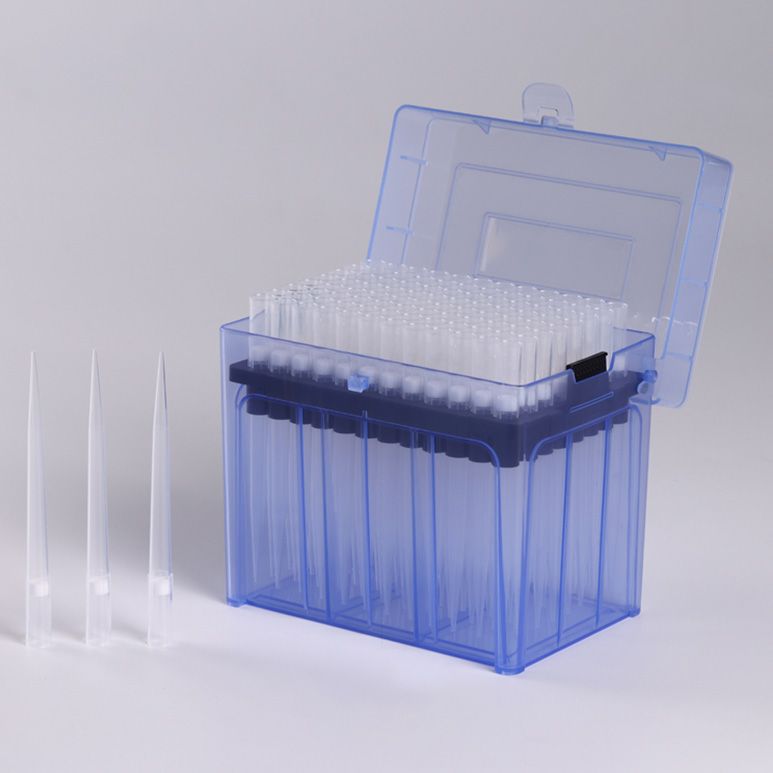
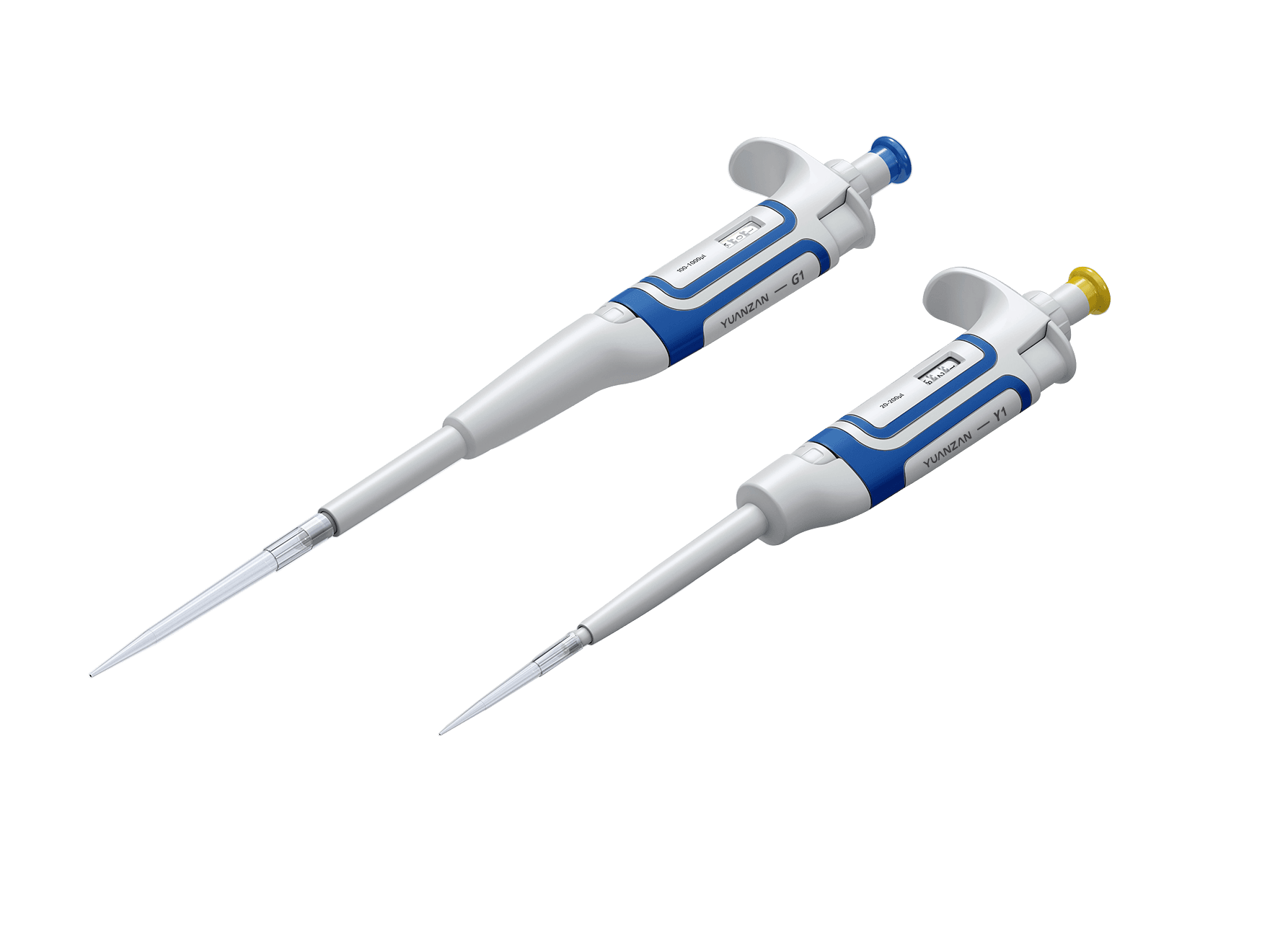
● Manual pipettes and pipette tips
● PCR tubes and plates
● Selected molecular biology consumables
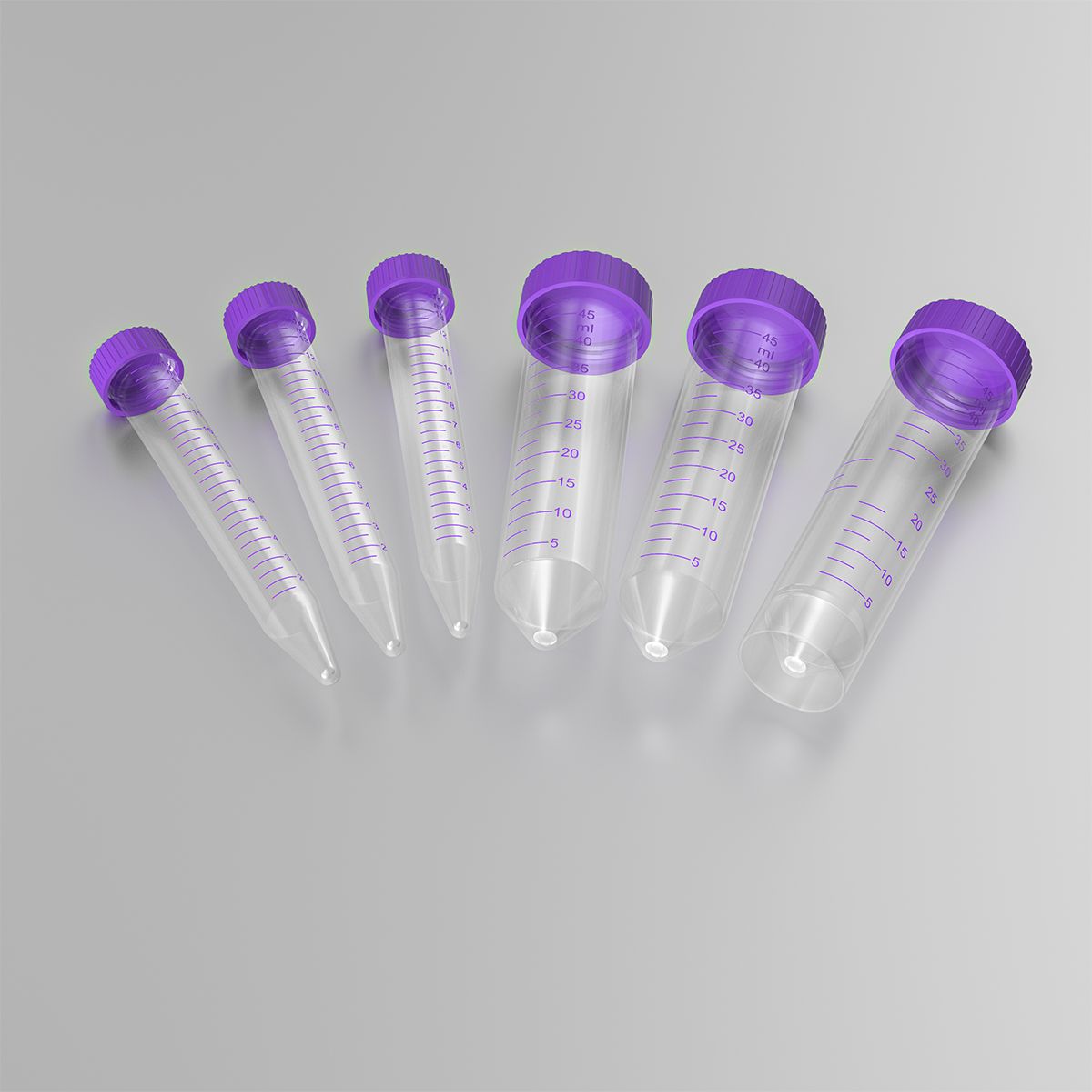
● Centrifuge and microcentrifuge tubes
● Sample storage products
These products may be evaluated for general laboratory and molecular biology requirements.
However, Yuanzan does not claim that its general-purpose products have been specifically validated or authorized for Ebola diagnostic testing.
Product suitability must be confirmed according to the actual intended use, technical specifications, and applicable regulatory and laboratory requirements.
Product and Manufacturing Information
Buyers can review:
● Yuanzan Molecular Biology Consumables
● Yuanzan Liquid Handling Solutions
● Yuanzan Manufacturing Capabilities
For laboratories and distributors evaluating suppliers, Yuanzan can discuss available product specifications, packaging requirements, commercial purchasing needs, and relevant documentation.
Selected plastic consumable samples may be available for qualified commercial evaluation projects.
Such evaluation does not establish that a product is suitable for high-risk pathogen handling.
Conclusion: Preparedness Requires More Than Inventory
The 2026 Bundibugyo virus disease outbreak illustrates why laboratory readiness and coordinated supply planning deserve sustained attention.
For procurement teams, readiness includes more than securing enough PCR consumables.
It also involves ensuring that products meet defined requirements, suppliers provide relevant documentation, stock levels reflect realistic demand, and substitutions are managed appropriately.
Laboratory biosafety and diagnostic suitability remain separate responsibilities that must be addressed under approved procedures and applicable regulations.
For general laboratory consumable sourcing, structured supplier evaluation and inventory planning can support operational continuity without overstating what individual products can deliver.
Discuss General Laboratory Consumable Supply Requirements
Yuanzan supports commercial inquiries from laboratories, distributors, and procurement organizations evaluating selected liquid-handling and molecular biology consumables.
Share your required products, reference SKUs, intended laboratory application, destination country, and estimated purchasing volume.
Our team can review relevant product categories, available documentation, and commercial sample evaluation options.
Request Selected Consumable Samples
Discuss OEM and Private-Label Supply
Product availability, documentation and sample arrangements depend on the specific product and project. These services do not imply validation or authorization for Ebola diagnostic testing or high-risk specimen handling.
References
FAQ
What is the role of procurement in PCR laboratory preparedness?
Procurement teams help maintain access to approved laboratory products, monitor inventory, evaluate suppliers, manage purchasing documentation, and coordinate replenishment according to operational requirements.
Are ordinary PCR consumables automatically suitable for Ebola testing?
No. Product suitability depends on the intended activity, approved laboratory procedures, assay and instrument requirements, biosafety assessment, and applicable regulations.
Does a filtered pipette tip make high-risk sample handling safe?
No. A filter can be one element of a contamination-control strategy, but it cannot replace appropriate facilities, trained personnel, containment or approved operating procedures.
How should laboratories calculate consumable reorder points?
A basic approach is average daily usage multiplied by replenishment lead time, plus appropriate safety stock. The calculation should use actual demand and realistic lead times.
What documents should be requested from a laboratory consumables supplier?
Depending on the product, buyers may request technical specifications, applicable COAs or COCs, relevant quality management certificates, and lot identification information.
Does an ISO-certified supplier automatically provide clinically approved products?
No. Quality management certification and product-specific regulatory authorization are separate matters.
Can Yuanzan provide Ebola diagnostic consumables?
Yuanzan supplies selected general laboratory and molecular biology products. It does not claim that these products are specifically validated or authorized for Ebola diagnostic testing. Any proposed application requires separate assessment.
Can overseas distributors request samples for supplier evaluation?
Qualified commercial buyers can discuss sample evaluation for selected laboratory plastic consumables, subject to product availability and project requirements.
pics of lab consumables