Food allergen management is an important responsibility for food manufacturers, importers, quality-control teams, and testing laboratories in Argentina.
Effective management requires accurate ingredient information, appropriate food labelling, control of unintended allergen cross-contact, and suitable analytical methods when testing is necessary.
For laboratories, reliable results also depend on representative sampling, appropriate extraction procedures, contamination control, and compatible laboratory consumables.
In 2026, Argentina introduced changes to its wider food regulatory framework. However, these changes should be distinguished from the established allergen declaration requirements under the Argentine Food Code.
This guide examines the regulatory context, differences between common allergen testing methods, and the practical consumable requirements relevant to food-testing laboratories and procurement teams.
1. Food Allergen Labelling Requirements in Argentina
Food allergen declarations in Argentina are governed by the Código Alimentario Argentino (CAA), including Article 235 séptimo.
The rules identify specified allergens and substances that must be declared when present in packaged foods covered by the requirements.
These include:
● Wheat, rye, barley, oats, specified hybrids and relevant derivatives, subject to listed exceptions
● Crustaceans
● Eggs
● Fish
● Peanuts
● Soy
● Milk
● Specified tree nuts
● Sulfur dioxide and sulfites at concentrations of 10 ppm or above
The exact declaration obligations depend on the food, its ingredients, relevant exceptions, and the applicable version of the rules.
The 10 ppm threshold concerns sulfur dioxide and sulfites; it is not a universal declaration threshold for all food allergens.
Understanding "CONTIENE" and "PUEDE CONTENER"
Argentina distinguishes between declared allergenic ingredients and potential unintended allergen cross-contact.
CONTIENE means "contains" and is used to declare an allergen present as an ingredient or as part of an ingredient.
PUEDE CONTENER means "may contain" and is used for specified potential unintended cross-contact situations.
The precautionary statement should not be treated as a general substitute for allergen-control procedures.
Under Article 235 séptimo, its use is subject to the applicable conditions, supporting justification, and review by the competent health authority.
The regulation also establishes presentation requirements for relevant allergen declarations, including uppercase lettering, bold type and appropriate visibility.
Food businesses should confirm current requirements before approving product labels.
What Changed Under Decree 697/2026?
Argentina's Decree 697/2026, published on 3 August 2026, changed aspects of the country's wider food regulatory administration and relevant procedures, including responsibilities assigned to SENASA.
The decree did not itself create a new universal list of allergen declaration requirements.
Manufacturers and importers should therefore distinguish between:
1. Changes to food regulatory administration and import procedures.
2. Existing allergen declaration obligations under the CAA.
3. Product-specific testing and quality-control requirements.
Laboratory testing can support an allergen-management system, but a single analytical result does not establish complete regulatory compliance.
2. Which Methods Are Used for Food Allergen Testing?
Food allergen testing can involve several analytical techniques.
Each method measures a different type of target and has different limitations.
ELISA
Enzyme-linked immunosorbent assays (ELISA) generally detect specific allergen-related proteins.
They are commonly considered for food allergen analysis because the biological relevance of an allergen is usually associated with particular proteins.
However, test performance depends on the target protein, sample preparation, food matrix, and analytical method.
Food processing may affect protein extractability or recognition by the assay.
PCR and qPCR
PCR-based methods detect specific nucleic acid sequences associated with a food ingredient or biological source.
Quantitative PCR can be used where a validated method provides appropriate quantitative information.
However, detecting DNA is not the same as measuring allergenic protein.
A positive DNA result should not automatically be interpreted as a precise measure of allergenic protein concentration.
Likewise, a negative PCR result does not necessarily establish that the relevant allergenic protein is absent.
LC-MS/MS
Liquid chromatography coupled with tandem mass spectrometry can identify selected proteins or peptides.
This technique may support specialized food allergen analysis, depending on the target, method and analytical resources.
Method Comparison
| Method | Main Analytical Target | Important Limitation |
|---|---|---|
| ELISA | Specific proteins | Extraction and protein changes can affect results |
| PCR / qPCR | Target DNA sequences | Does not directly quantify allergenic protein |
| LC-MS/MS | Selected peptides or proteins | Requires appropriate method development and matrix validation |
A laboratory should select the method according to the allergen, food product, reporting objective and validated analytical performance.
3. Sample Preparation and Food Matrix Effects
Food samples vary considerably.
They may contain different amounts of fat, protein, starch, moisture, salt and other components. Processing conditions can also influence how analytical targets are recovered and measured.
Sample preparation is therefore an essential part of allergen testing.
Sampling and Homogenization
A laboratory should determine whether the collected sample is representative of the product or batch being evaluated.
Where required, the sample should be prepared using the appropriate method for the food matrix.
Poorly controlled sampling or preparation may create variability that cannot be corrected by using a more expensive analytical instrument.
Extraction and Liquid Transfer
Depending on the method, laboratories may use pipettes and tips to prepare:
● Extraction solutions
● Sample dilutions
● Analytical reagents
● Controls and reference materials
● Prepared sample extracts
Relevant consumable requirements include material compatibility, volume range, suitable closure systems and consistency during liquid handling.
Preventing Laboratory Cross-Contamination
Production-line allergen cross-contact and laboratory cross-contamination are related but separate issues.
A food manufacturer must address allergen risks within its production processes.
The analytical laboratory must separately control contamination introduced during sampling, sample preparation and testing.
Useful laboratory controls may include appropriate sample separation, cleaning procedures, fresh consumables and method-specific controls.
The chosen approach should follow the validated analytical method.
4. Laboratory Consumables for Food Allergen Testing
Not every allergen-testing method uses the same consumables.
An ELISA workflow may require different plates, vessels and reagents from a PCR-based workflow.
Procurement teams should therefore establish the intended method before identifying suitable products.
Consumable Selection Matrix
| Product Category | Potential Laboratory Use | Qualification Considerations |
|---|---|---|
| Manual pipettes | Preparation of extracts, dilutions and reagents | Working range and liquid transfer performance |
| Pipette tips | Sample and reagent transfer | Pipette fit, cleanliness and application requirements |
| Centrifuge tubes | Sample preparation where required | Capacity, material and operating conditions |
| PCR tubes and plates | PCR-based testing | Instrument and reaction compatibility |
| ELISA-compatible microplates | Immunoassay workflows, where specified | Assay format and plate surface requirements |
| Sample storage containers | Temporary storage of samples or extracts | Closure, material and storage conditions |
This table is an application guide, not a claim that every product category is supplied or validated by Yuanzan for food allergen testing.
For example, ordinary laboratory microplates should not automatically be presented as suitable for a particular ELISA kit.
Likewise, PCR consumables must be assessed against the selected assay and instrument.
Product-Specific Evaluation
Before approving a consumable, laboratories should confirm:
● Exact reference SKU
● Intended test method
● Sample type and food matrix
● Working volume and physical format
● Instrument compatibility
● Applicable cleanliness requirements
● Available technical documentation
● Packaging and repeat-supply requirements
Where method performance may be affected, the laboratory should evaluate the product under its established procedures.
5. Choosing a Laboratory Consumables Supplier
Food-testing laboratories and distributors need a supplier that can provide technically suitable products and reliable repeat supply.
For procurement teams in Argentina, an overseas supplier evaluation should address more than the initial quotation.
Supplier Qualification Checklist
| Area | Buyer Question |
|---|---|
| Product matching | Can the supplier review an existing reference SKU? |
| Technical specifications | Are the material, capacity, dimensions and formats documented? |
| Quality records | Which product-level documents are available? |
| Packaging | Are the pack quantities suitable for routine purchasing? |
| Supply continuity | What lead times and repeat-order arrangements are available? |
| Shipment planning | What delivery terms apply to the destination market? |
| OEM / Private Label | Are applicable packaging and labeling options available? |
| Sample evaluation | Can suitable products be evaluated before larger orders? |
Import requirements and documentation should be assessed according to the actual product category and local rules.
A laboratory plastic consumable is not automatically subject to the same requirements as a food product, diagnostic test kit, or analytical reagent.
Why Reference SKU Matching Helps
A current supplier's SKU can help clarify the product configuration being requested.
For example, the buyer can provide the required tube capacity, material, packaging format or pipette tip type.
The supplier can then identify preliminary alternatives.
However, matching product dimensions or specifications does not automatically establish analytical equivalence.
Final acceptance should follow the laboratory's qualification requirements.
6. How Yuanzan Supports Laboratory Consumables Sourcing
Yuanzan Life Sciences supplies selected laboratory consumables used in liquid handling, molecular biology, sample preparation and related laboratory workflows.
Relevant categories include:
● Manual pipettes
● Pipette tips
● Serological pipettes
● Centrifuge and microcentrifuge tubes
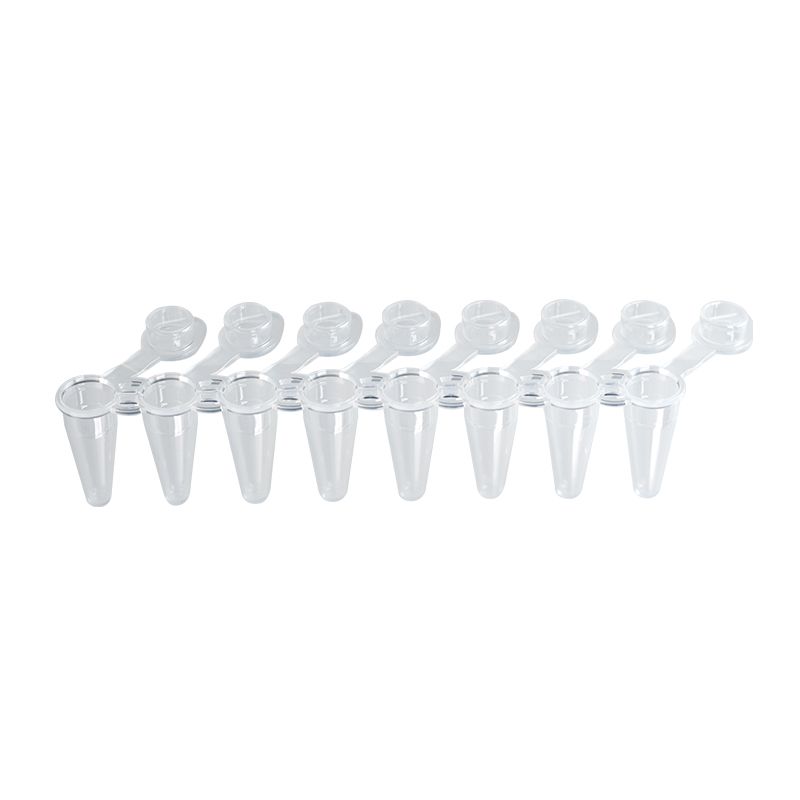
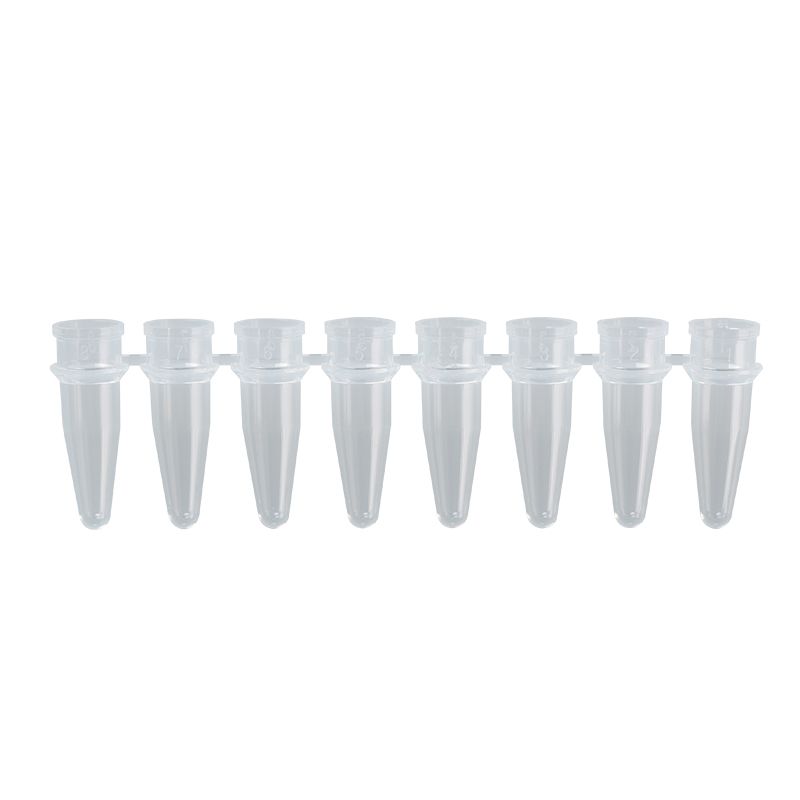
● PCR tubes and plates
● Selected laboratory plasticware
For food-testing laboratories, distributors and importers, Yuanzan can discuss product specifications, available documentation, commercial sample evaluation, and purchasing requirements.
Yuanzan does not represent these general laboratory consumables as food allergen detection kits or as universally validated for every ELISA or PCR assay.
OEM and Distribution Sourcing
For suitable products and projects, commercial discussions may include:
● Existing reference SKUs
● Bulk purchasing requirements
● Private-label packaging
● Product labeling and carton configuration
● Technical specifications
● Target country
● Estimated annual purchasing volume
Explore Yuanzan Laboratory Consumables
Explore PCR and Molecular Biology Consumables
Explore OEM and Private-Label Manufacturing
Conclusion
Food allergen management in Argentina requires clear regulatory understanding, appropriate production controls, and suitable analytical methods.
ELISA, PCR and other techniques answer different analytical questions. The correct testing approach should be selected according to the food matrix, target and intended interpretation.
Laboratory consumables support these workflows, but they cannot independently establish test accuracy or regulatory compliance.
For purchasing teams, product compatibility, documentation, supplier qualification and repeat supply provide a useful foundation for selecting laboratory plasticware.
Discuss Food Testing Laboratory Consumable Requirements
Are you sourcing pipette tips, sample tubes, PCR consumables or other laboratory plasticware for a food-testing laboratory or distribution business?
Share your required products, reference SKUs, testing methods, destination country, and estimated purchasing volume.
Yuanzan can discuss available product specifications, sample evaluation, and OEM/private-label options.
Request Samples for Supplier Evaluation
Discuss OEM and Private-Label Supply
Product availability and application suitability must be confirmed for the individual SKU and intended laboratory workflow.
References
1. Argentina — Decree 697/2026, Official Gazette, 3 August 2026.
2. Argentine Food Code — Article 235 séptimo, Joint Resolution 11-E/2017.
3. ANMAT — Food Allergen Labelling Guidance.
4. ANMAT — Food Allergen Guidance for Manufacturers.
This article provides general technical and regulatory background rather than product-specific legal advice or analytical method validation.
FAQ
Which food allergens require labelling in Argentina?
The CAA identifies specified cereals, crustaceans, eggs, fish, peanuts, soy, milk, certain tree nuts and relevant derivatives, with listed exceptions. Sulfur dioxide and sulfites are also covered at the specified threshold. Product-specific requirements should be checked against the current rules.
Does Decree 697/2026 introduce a completely new allergen list?
No. The decree addresses wider food regulatory administration and related procedures. Allergen declaration obligations should be checked separately under the applicable CAA provisions.
Can food businesses use "PUEDE CONTENER" on any product?
No. The statement is subject to the applicable conditions and health-authority review; it should not replace appropriate allergen risk management.
Is PCR equivalent to ELISA for allergen testing?
No. PCR detects DNA targets, while ELISA generally detects allergen-related proteins. Their results and limitations are different.
Can Yuanzan supply laboratory consumables to food-testing laboratories?
Yuanzan supplies selected general laboratory consumables that may be evaluated for suitable sample-preparation and analytical workflows. Product suitability must be established for the specific method and SKU.
Can an Argentine distributor request private-label consumables?
For eligible product categories, Yuanzan can discuss private-label packaging, product specifications, sample evaluation and bulk purchasing arrangements.
pics of lab consumables