Liquid biopsy has become an important research approach for studying cancer-related biomarkers through blood and other biological samples. Research applications may involve circulating tumor DNA (ctDNA), circulating tumor cells (CTCs), circulating cell-free DNA (cfDNA), and other molecular targets.
Although much attention is given to analytical technologies, sample handling remains an important part of the research workflow.
From specimen collection and processing to nucleic acid preparation, PCR analysis, and sample storage, each stage involves specific consumable requirements.
For laboratories, the challenge is to select products that fit the intended research protocol. For distributors and procurement teams, it is also important to evaluate specifications, product documentation, sample availability, and repeat supply.
This guide explains how to approach laboratory consumables sourcing for liquid biopsy-related research workflows.
Quick Answer
Liquid biopsy research may involve several laboratory consumable categories, including centrifuge tubes, microcentrifuge tubes, pipette tips, filter tips, low-retention tips, PCR tubes, PCR plates, and selected storage products.
The appropriate products depend on the biological sample, research target, preparation method, analytical workflow, and storage requirements.
For procurement teams, the most important considerations are:
● Product and instrument compatibility
● Sample handling and processing requirements
● Contamination-control specifications
● Material and sealing performance
● Product-specific documentation
● Sample evaluation before bulk purchasing
● Consistent supply and packaging
Consumables should be selected according to the research workflow rather than treated as a single generic "liquid biopsy consumables" category.
Yuanzan's role: Yuanzan supports selected laboratory consumables for research-related sample handling, molecular biology, liquid transfer, and sample processing. Yuanzan does not provide clinical diagnostic services. Product suitability, intended use, and special claims should be confirmed through product-specific documentation.
1. Understanding the Liquid Biopsy Research Workflow
Liquid biopsy research includes different types of sample preparation and molecular analysis.
For example, ctDNA-related research commonly involves the separation and handling of plasma before cell-free DNA extraction and downstream molecular analysis.
CTC-related research may involve different cell isolation and sample processing requirements.
These workflows should not be treated as identical.
A simplified ctDNA research workflow may include:
Sample Collection → Plasma Separation → cfDNA Extraction → Molecular Analysis → Sample Storage
Each stage requires consumables selected for the intended protocol.
Specialized blood collection or stabilization tubes should be evaluated according to the research protocol and should not be assumed to be interchangeable with standard laboratory centrifuge tubes.
The same applies to downstream consumables: product suitability should be verified for the specific assay and processing method.
| Workflow Stage | Typical Consumables | What Buyers Should Check |
|---|---|---|
| Sample collection and transport | Protocol-specific blood collection or stabilization tubes | Sample type, handling time, transport and stability requirements |
| Sample processing | Centrifuge tubes and related processing materials | Volume, material, RCF rating, sealing and rotor compatibility |
| Small-volume preparation | Microcentrifuge tubes, pipettes and tips | Sample recovery, cleanliness and volume compatibility |
| Molecular analysis | PCR tubes, PCR plates, filter tips and sealing products | Instrument compatibility, format, contamination-control requirements |
| Sample storage | Selected storage or cryogenic tubes | Validated storage temperature, sealing and identification |
2. Pre-Analytical Sample Handling: What Matters Most?
For liquid biopsy-related research, pre-analytical handling deserves particular attention.
The condition of a biological sample before analysis may affect the material available for downstream testing.
Important variables can include:
● Collection and stabilization method
● Time between collection and processing
● Temperature during handling and transportation
● Centrifugation conditions
● Sample transfer procedures
● Storage duration and conditions
● Repeated freeze-thaw exposure
These factors should be defined by the validated research protocol, not determined solely by the consumable supplier.
Centrifuge Tubes for Sample Processing
Centrifuge tubes may be used during sample separation, transfer, and preparation.
When selecting centrifuge tubes, buyers should verify:
● Tube capacity
● Material
● Maximum rated relative centrifugal force (RCF)
● Compatible centrifuge rotor or adapter
● Closure and sealing performance
● Required cleanliness or sterility specifications
RCF ratings should be checked for the specific product and centrifugation conditions. A tube's nominal capacity alone does not establish its suitability for a particular centrifugation procedure.
Microcentrifuge Tubes for Small-Volume Handling
Microcentrifuge tubes may be used for aliquoting, sample preparation, and downstream molecular workflows.
For limited-volume or valuable samples, buyers should consider the tube material, closure, sample recovery requirements, and compatibility with the intended storage or processing conditions.
Where low-binding or nuclease-free performance is required, supporting product-specific documentation should be requested.
3. Selecting Pipettes and Tips for Molecular Sample Handling
Pipettes and pipette tips are used throughout molecular biology workflows.
For liquid biopsy-related research, they may support sample transfer, aliquoting, reagent preparation, and molecular assay setup.
Pipette Accuracy and Volume Selection
The appropriate pipette should match the working volume and application.
For low-volume transfers, laboratories should verify accuracy and precision at the actual volume used rather than relying only on the manufacturer's overall volume range.
Proper calibration, consistent operating technique, and compatible tips are also important.
Filter Tips for Contamination-Sensitive Workflows
Filter pipette tips may help reduce the risk of aerosols or droplets entering the pipette during liquid transfer.
They are commonly considered in nucleic acid preparation, PCR, and other contamination-sensitive molecular workflows.
However, filter tips do not replace appropriate laboratory contamination-control procedures.
Low-Retention Tips for Valuable Samples
Low-retention tips may be worth evaluating when handling limited samples or expensive reagents.
Their purpose is to reduce liquid remaining on the inner tip surface.
Actual performance depends on the liquid properties, tip design, transfer technique, and application.
For procurement teams, a practical approach is to compare standard and low-retention tips under the same operating conditions before selecting a product.
Learn more in Why Low-Binding Tubes and Tips Matter in Protein, RNA and Molecular Biology Workflows.
4. PCR Consumables for Downstream Molecular Analysis
Liquid biopsy research may use PCR, qPCR, or other molecular analytical methods depending on the research target and assay design.
Where PCR-based workflows are involved, commonly required consumables include:
● PCR single tubes
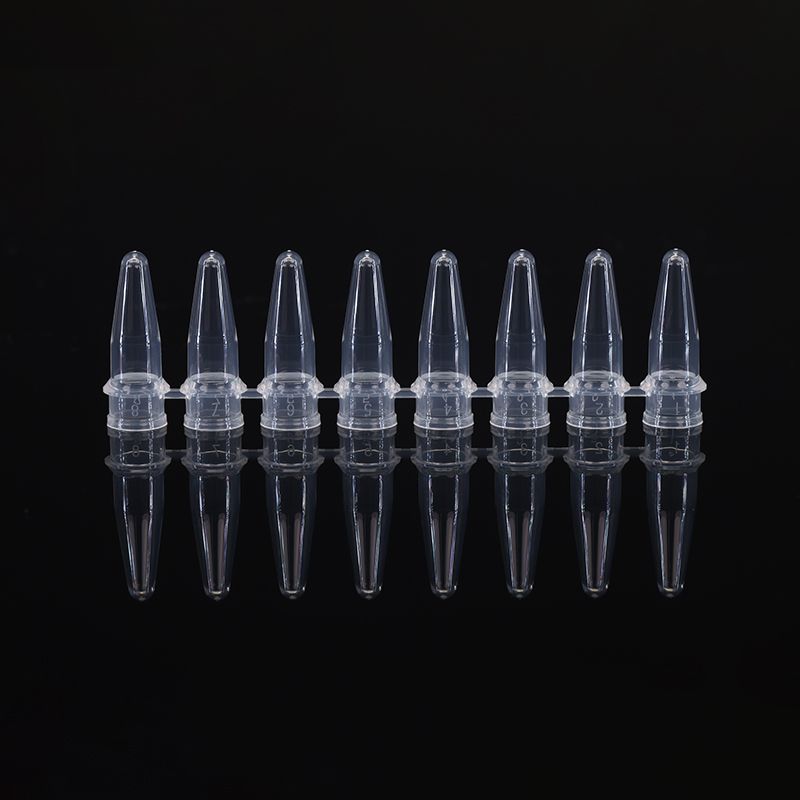
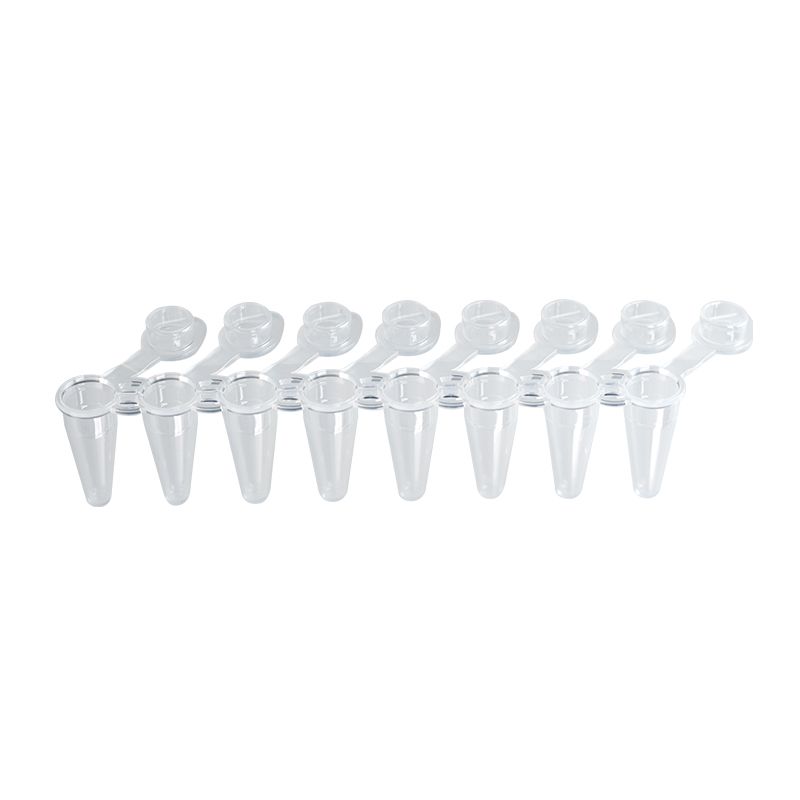
● PCR 8-strip tubes
● PCR plates
● Filter pipette tips
● Selected sealing films
The appropriate format depends on the reaction volume, instrument, sample throughput, and analysis method.
Instrument Compatibility
PCR tubes and plates should be compatible with the specific thermocycler or qPCR instrument being used.
Buyers should check:
● Plate or tube format
● Instrument compatibility
● Sealing method
● Reaction volume
● Product material
● Applicable cleanliness specifications
Instruments with optical detection may also have specific requirements for tubes, plates, caps, or sealing materials.
These should be confirmed before larger orders.
Contamination-Control Claims
For molecular applications, buyers may require documentation supporting claims such as RNase-free, DNase-free, PCR inhibitor-free, human DNA-free, or sterile.
These claims should not be assumed for every product.
They should be confirmed with product-specific documentation or batch-level evidence where applicable.
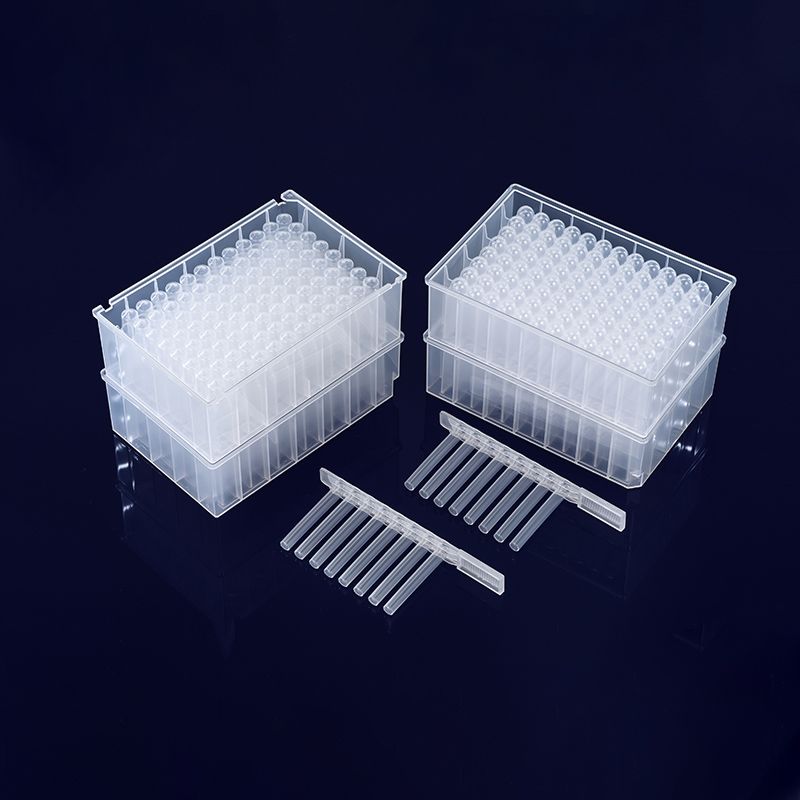
Yuanzan's Molecular Biology Series includes selected PCR tubes, plates, deep-well plates, and related consumables for laboratory workflows.
5. Sample Storage and Cryogenic Consumables
Some research workflows require samples or prepared materials to be stored for subsequent analysis.
Depending on the application, this may involve short-term refrigerated storage, frozen storage, or other defined conditions.
For storage-related consumables, buyers should evaluate:
A cryogenic tube label does not automatically establish suitability for every low-temperature environment or storage method.
The intended temperature, storage phase, closure design, and operating conditions should be checked against the product specifications.
Yuanzan offers selected cryogenic tubes and related sample-storage products. Available models and storage suitability should be confirmed for each application.
| Requirement | Selection Consideration |
|---|---|
| Storage temperature | Suitability for the specified temperature and storage system |
| Tube capacity | Appropriate sample volume |
| Sealing | Closure and leakage considerations |
| Sample identification | Labeling, barcode or other identification system |
| Material compatibility | Suitability for the intended sample and storage protocol |
| Freeze-thaw handling | Requirements for repeated temperature changes where applicable |
6. What Procurement Teams Should Check Before Ordering
For laboratories and distributors, selecting a consumables supplier requires more than reviewing individual product descriptions.
A practical purchasing evaluation should include the following areas.
Product Specifications
Confirm the actual size, capacity, material, format, and compatibility requirements.
Product Claims and Documentation
Identify which claims are necessary for the intended research workflow and request the corresponding documentation.
Sample Evaluation
Where available, obtain samples to assess compatibility, packaging, and handling requirements before larger orders.
Manufacturing and Quality Management
Review the supplier's manufacturing capabilities, quality system, inspection procedures, and documentation support.
Packaging and Repeat Supply
Evaluate packaging specifications, labeling, batch identification, lead time, and recurring supply requirements.
OEM and Private-Label Needs
For distributors and laboratory brands, clarify whether customized packaging, reference SKU matching, and private-label supply are required.
These factors help buyers evaluate consumables as part of a connected research workflow instead of purchasing isolated products.
7. How Yuanzan Supports Research Consumables Buyers
Yuanzan is based in Kunshan, Jiangsu, near Shanghai, China, with manufacturing capabilities for selected laboratory plastic consumables.
Its manufacturing resources include:
Yuanzan supports selected laboratory products across liquid handling, sample processing, molecular biology, and sample storage.
Relevant product categories may include:
● Manual pipettes
● Standard and filter pipette tips
● Low-retention tips
● Centrifuge tubes
● Microcentrifuge tubes
● PCR tubes and plates
● Selected sealing products
● Selected cryogenic storage products
For distributors, importers, OEM buyers, and laboratory brands, Yuanzan can discuss product specifications, reference SKU matching, sample requests, documentation, packaging customization, and repeat supply planning.
Product availability, compatibility, special claims, and documentation should be confirmed according to the product category and project requirements.
Yuanzan does not provide clinical diagnostic services through its laboratory consumables sourcing activities.
| Manufacturing Area | Yuanzan Capability |
|---|---|
| Injection molding | 23 injection molding machines |
| Machine range | 50–400T |
| Mold resources | 400+ mold sets |
| Cleanroom | 3,062 m² 100,000-class cleanroom environment |
| Quality management | ISO 9001:2015 and ISO 13485:2016 certified systems within the applicable certified scope |
8. A Practical Sourcing Checklist for Liquid Biopsy Research
Before requesting quotations or samples, buyers should prepare:
A practical supplier evaluation process is:
Define Research Workflow → Identify Consumables → Review Specifications → Request Samples → Confirm Documentation → Discuss Supply Requirements
This approach helps laboratories make more informed purchasing decisions and allows distributors to evaluate relevant consumables as connected product groups.
| Information | Why It Matters |
|---|---|
| Research application | Helps define relevant product categories |
| Sample type | Determines processing and storage needs |
| Required consumables | Establishes the product list |
| Reference SKU | Supports product matching |
| Technical specifications | Helps evaluate compatibility |
| Special claims | Identifies documentation requirements |
| Storage conditions | Clarifies storage-product suitability |
| Estimated annual volume | Supports quotation and supply planning |
| Packaging needs | Supports standard or private-label sourcing |
Conclusion
Liquid biopsy research involves more than downstream analytical technologies.
Sample collection, processing, liquid handling, molecular analysis, and storage all require appropriate materials and consumables.
For laboratories, product selection should begin with the research protocol, sample characteristics, and instrument requirements.
For procurement teams and distributors, quality documentation, compatibility, sample availability, manufacturing capability, and repeat supply are also important.
The goal is not to find one generic consumable labeled for liquid biopsy.
It is to select a suitable combination of consumables for each stage of the intended research workflow.
Looking for Consumables for Molecular Research Workflows?
Yuanzan supports selected laboratory consumables for sample processing, liquid handling, PCR workflows, and sample storage, as well as OEM/private-label cooperation for distributors and laboratory brands.
Share your product list, reference SKU, intended application, target market, estimated annual volume, and documentation requirements.
Our team can help review suitable product options and sample availability based on the project scope.
● Request Free Laboratory Consumables Samples
● Explore Molecular Biology Consumables
● Discuss OEM / Private-Label Supply
FAQ
What consumables are commonly used in liquid biopsy research?
Liquid biopsy research may involve centrifuge tubes, microcentrifuge tubes, pipette tips, filter tips, low-retention tips, PCR tubes, PCR plates, and selected sample-storage products. The appropriate combination depends on the sample type and research workflow.
Are all liquid biopsy workflows the same?
No. Research involving ctDNA, CTCs, or other circulating biomarkers may require different sample preparation and analytical procedures. Consumables should be selected according to the specific protocol.
What should buyers check when selecting centrifuge tubes?
Important considerations include capacity, material, RCF rating, rotor compatibility, sealing performance, and application-specific documentation.
Are standard blood collection tubes interchangeable with centrifuge tubes?
Not necessarily. Specialized blood collection and stabilization products may have defined requirements for sample handling and biomarker preservation. These should not be assumed to be interchangeable with standard laboratory centrifuge tubes.
Should I choose filter or low-retention pipette tips?
Filter tips may be useful for contamination-sensitive molecular workflows. Low-retention tips may be useful where liquid residue or valuable sample loss is a concern. The final selection depends on the application, specifications, and sample evaluation.
Do all PCR consumables have RNase-free or DNase-free certification?
No. These claims should not be assumed for all products. Relevant specifications and supporting documentation should be confirmed for the particular SKU.
What should I consider when choosing cryogenic storage tubes?
Buyers should verify storage temperature, tube capacity, sealing requirements, material, sample identification, and compatibility with the intended storage system.
Can Yuanzan support OEM or private-label consumables?
Yes. Yuanzan supports selected OEM and private-label laboratory consumables projects, including reference SKU review, sample evaluation, packaging requirements, and supply planning, subject to product and project feasibility.
Can buyers request samples before bulk purchasing?
Yes. Free samples are available for selected laboratory plastic consumables. Availability depends on product category, stock, packaging, documentation requirements, and project scope.
Does Yuanzan provide liquid biopsy diagnostic services?
No. Yuanzan's consumables sourcing activities support selected laboratory products for research-related workflows. The company does not provide clinical diagnostic services through these product inquiries.
pics of lab consumables