Antimicrobial resistance (AMR) is a growing challenge for public health, healthcare systems, agriculture, and environmental management.
Wastewater and environmental surveillance offers a complementary approach to studying antimicrobial resistance by examining selected resistance-related organisms, genes, and other indicators in environmental samples.
Unlike testing an individual patient, wastewater surveillance can provide information about microbial and genetic signals present in a broader environmental catchment.
However, interpreting these signals requires caution.
Detecting an antimicrobial resistance gene (ARG) in wastewater does not necessarily establish the presence of viable antibiotic-resistant bacteria, identify the organism carrying the gene, or indicate the prevalence of resistant infections in a human population.
For laboratories developing or maintaining wastewater AMR monitoring programs, reliable molecular results depend on more than the PCR instrument.
Sampling strategy, sample processing, nucleic acid extraction, amplification controls, laboratory consumables, and reporting practices all influence the quality and comparability of the data.
This guide examines the role of sample-processing and PCR consumables in wastewater AMR surveillance, with a focus on practical quality-control and procurement decisions.
Quick Answer: What Should Laboratories Evaluate for Wastewater AMR Surveillance?
Laboratories planning wastewater-based antimicrobial resistance monitoring should evaluate six areas:
1. Surveillance objectives: Define which resistance genes, organisms, or environmental indicators will be investigated.
2. Sampling strategy: Document collection locations, sampling approach, sample handling, and relevant environmental conditions.
3. Sample processing: Select appropriate containers, processing methods, and compatible laboratory consumables.
4. Molecular testing: Verify nucleic acid extraction, qPCR or dPCR assay performance, and potential inhibition.
5. Quality assurance: Use the controls, traceability, and reporting procedures required by the selected method.
6. Supply continuity: Evaluate product specifications, consumable compatibility, documentation, and repeat purchasing requirements.
The appropriate workflow depends on the monitoring objective, sample matrix, analytical method, and laboratory quality system.
No individual consumable or PCR platform can establish the reliability of an entire surveillance program on its own.
1. What Can Wastewater AMR Surveillance Tell Us?
Wastewater may contain microorganisms and genetic material originating from human, animal, industrial, and environmental sources.
Depending on the surveillance approach, laboratories may investigate antimicrobial-resistant organisms, antimicrobial resistance genes, or associated genetic indicators.
Molecular techniques such as qPCR and digital PCR (dPCR) can be used to detect or quantify selected nucleic acid targets.
However, different detection approaches answer different scientific questions.
Detection of Resistance Genes Is Not the Same as Detection of Resistant Infections
A resistance gene detected in wastewater may originate from:
● Viable microorganisms
● Nonviable microorganisms
● Extracellular genetic material
● Multiple environmental or biological sources
Consequently, detecting a resistance gene does not necessarily demonstrate that the gene is expressed, identify its microbial host, or establish a corresponding antimicrobial-resistant phenotype.
Likewise, a positive wastewater result cannot directly determine the number of infected individuals in the catchment.
A Practical Interpretation Matrix
| Analytical Finding | What It May Support | What It Does Not Establish Alone |
|---|---|---|
| Detection of a selected ARG | Presence of the target genetic sequence in the tested material | Viable resistant bacteria |
| Repeated ARG detection | Persistence or recurrence of the measured genetic signal | A confirmed source or transmission pathway |
| Change in ARG concentration | A change in the measured target under the reported conditions | A proportional change in human infection prevalence |
| Detection of multiple ARGs | Presence of multiple targeted resistance-related sequences | That the genes occur in the same organism |
| Negative molecular result | Target not detected under the method's conditions | Absence of all resistance-related organisms or genes |
These distinctions are essential when using wastewater results to inform environmental monitoring or public health discussions.
The World Health Organization's December 2025 technical summary describes wastewater and environmental surveillance for AMR as a developing field with growing operational and research applications.
The appropriate interpretation and public health use of the resulting data depend on the surveillance program and its supporting evidence.
For technical context, see the WHO Wastewater and Environmental Surveillance Summary for Antimicrobial Resistance.
2. Sampling, Sample Processing and Data Comparability
Wastewater is a variable sample matrix.
Its composition can change according to the sampling location, time, wastewater source, environmental conditions, and treatment stage.
These variations matter when laboratories compare results across sampling dates or sites.
Sampling Strategy
Before selecting consumables, laboratories should document the sampling approach required by their monitoring plan.
Relevant considerations include:
● Sampling location and catchment characteristics
● Grab or composite sampling, where applicable
● Sampling date and collection period
● Sample volume
● Transport and storage conditions
● Wastewater flow information, where available
● Relevant environmental or operational metadata
A grab sample and a time- or flow-composite sample may represent different sampling windows.
Their results should not automatically be interpreted as equivalent.
Sample Processing Requirements
Depending on the analytical method, sample preparation may involve handling, separation, concentration, or other pretreatment activities before nucleic acid extraction.
The appropriate consumables should follow the validated or otherwise established procedure.
| Workflow Stage | Potential Consumables | Key Procurement Considerations |
|---|---|---|
| Collection and transport | Appropriate sample containers | Material suitability, secure closure, capacity |
| Sample processing | Centrifuge tubes and compatible processing vessels | Working volume, RCF rating, equipment compatibility |
| Aliquoting | Pipettes, pipette tips and microcentrifuge tubes | Volume range, fit, handling consistency |
| Nucleic acid extraction | Protocol-specified tubes, plates or extraction consumables | Extraction system compatibility, material requirements |
| Molecular analysis | PCR tubes or plates, caps or suitable sealing materials | Thermal, optical and instrument compatibility |
| Storage | Appropriate labeled storage containers | Closure, identification, storage-condition suitability |
Not every wastewater surveillance method requires centrifugation or the same concentration procedure.
Laboratories should select products according to the approved workflow rather than treating the entire list as mandatory.
Why Normalization Matters
A measured concentration of resistance genes may be reported relative to the wastewater volume analyzed.
However, changes in wastewater dilution, flow, sample recovery, and other environmental conditions can influence the results.
Depending on the objective, surveillance programs may consider:
● Target copies per unit volume of wastewater
● Flow-related target loads
● Ratios to defined microbial or fecal indicators
● Other normalization measures justified by the study design
These approaches are not interchangeable.
A concentration normalized to one environmental indicator may answer a different question from a flow-adjusted loading estimate.
The selected normalization method should be documented and consistently applied.
Reporting Consistency
When comparing surveillance results, laboratories should retain sufficient information about:
● The sample and collection method
● Processing and extraction procedures
● Analytical target
● Quantification method
● Detection and quantification limits
● Controls and inhibition assessment
● Reporting units and normalization
● Relevant changes in laboratory procedure
Without adequate method documentation, differences between sampling periods or laboratories may reflect analytical variability rather than genuine changes in environmental resistance indicators.
3. Nucleic Acid Extraction, Recovery and PCR Inhibition
Wastewater can contain organic compounds, suspended materials, and other substances that interfere with nucleic acid preparation or amplification.
This makes sample-processing consistency and inhibition assessment important components of molecular surveillance.
Extraction Method Compatibility
The extraction workflow determines which processing consumables are needed.
Depending on the laboratory's equipment and protocol, these may include:
● Centrifuge or microcentrifuge tubes
● Pipette tips
● Deep-well plates
● Compatible sample-processing vessels
● Other extraction-system-specific components
Deep-well plates and magnetic rod tip combs are not universally required.
For example, tip combs are associated with certain magnetic rod-based automated extraction systems and should not be assumed compatible with other magnetic separation methods.
Before purchasing extraction consumables, laboratories should confirm the required instrument model, consumable dimensions, working volumes, and material specifications.
Understanding PCR Inhibition
PCR inhibition occurs when substances associated with the sample or processing workflow interfere with amplification and measurement.
Depending on its severity, inhibition may affect target quantification or prevent detection.
Consumables alone cannot eliminate this risk.
Instead, laboratories should evaluate inhibition within the full workflow, including extraction procedures, sample preparation, assay design, and appropriate controls.
What Should Be Assessed?
| Evaluation Area | Relevant Question |
|---|---|
| Sample matrix | Is the method suitable for the wastewater characteristics? |
| Extraction recovery | Is recovery assessed where required by the method? |
| PCR inhibition | Is inhibition checked using an appropriate control or approved approach? |
| Contamination | Could external target material be introduced during sample processing? |
| Repeatability | Are sample-processing conditions sufficiently consistent? |
| Documentation | Can deviations or unexpected results be traced to the relevant workflow stage? |
An apparent reduction in target concentration does not necessarily indicate a reduction in the actual environmental abundance of the gene.
Changes in sample matrix, extraction recovery, or amplification performance may also contribute to the result.
The Environmental Microbiology Minimum Information (EMMI) Guidelines provide a useful framework for evaluating qPCR and dPCR data quality and reporting in environmental microbiology.
4. qPCR and Digital PCR for Wastewater AMR Analysis
Both real-time quantitative PCR (qPCR) and digital PCR (dPCR) can be used to study selected antimicrobial resistance genes.
However, the methods differ in their quantitative approaches and consumable requirements.
Neither method automatically resolves the biological interpretation limitations of detecting ARGs in environmental samples.
qPCR
Real-time quantitative PCR measures fluorescence during amplification.
Depending on the assay, target quantification may rely on calibration standards or a suitable reference-based method.
For wastewater AMR research, qPCR may be used to monitor selected resistance-related genetic targets.
Its analytical performance depends on assay design, sample preparation, amplification efficiency, instrument performance, and data interpretation.
Digital PCR
Digital PCR partitions a reaction into many smaller units and uses partition-based analysis for target quantification.
It can provide absolute quantification without a conventional external calibration curve for the partition-counting step.
However, the reported concentration still depends on the sample preparation, analytical configuration, dilution factors, partition characteristics, and relevant data-processing assumptions.
Digital PCR may offer advantages for selected low-abundance targets or complex sample matrices, but performance must be established for the intended method.
It should not be assumed to eliminate PCR inhibition or all sources of analytical uncertainty.
qPCR vs. dPCR: A Procurement Perspective
| Evaluation Area | qPCR | Digital PCR |
|---|---|---|
| Quantification | Commonly uses calibration-based approaches | Partition-based absolute quantification |
| Main consumables | Compatible tubes or plates and sealing materials | Platform-specific partitioning and reaction consumables |
| Instrument compatibility | Thermal, optical and vessel requirements | Partition generation, reaction and detection requirements |
| Inhibition assessment | Required according to method | Still relevant despite potential platform-specific differences |
| Analytical validation | Assay-specific | Assay- and platform-specific |
| Purchasing priority | Consistent reaction format and assay compatibility | Verified consumable compatibility and repeat supply |
A dPCR system may use proprietary chips or cartridges, while another platform may use different partition-generation components.
Therefore, a conventional PCR consumable should not automatically be treated as suitable for digital PCR partitioning.
What About Yuanzan's VQ and VD Systems?
Yuanzan provides real-time PCR and digital PCR equipment, including the VQ Series and the ZY/VD-200 Series.
These products can be considered in discussions about molecular research workflows.
However, their availability does not establish that a particular wastewater AMR assay has been validated on the instrument.
Specific assays, reagent compatibility, required consumables, detection performance, and reporting requirements should be evaluated separately.
For buyers exploring these technologies, instrument selection should follow the analytical needs of the intended surveillance program.
5. Quality Controls for Wastewater Molecular Surveillance
Reliable environmental molecular testing requires appropriate controls.
Different controls address different potential sources of error.
They should not be treated as interchangeable.
A Practical Quality-Control Matrix
| Control Type | Primary Purpose |
|---|---|
| Field or collection blank, where applicable | Helps identify contamination associated with sampling and field handling |
| Extraction blank | Checks for contamination introduced during extraction or related processing |
| No-template control (NTC) | Evaluates contamination within the PCR reaction setup |
| Positive amplification control | Confirms the assay can produce the expected analytical response |
| Inhibition control | Helps assess whether the sample matrix interferes with amplification |
| Process or recovery control | Supports evaluation of sample processing or nucleic acid recovery where applicable |
The exact control set should reflect the surveillance method and its validation requirements.
A positive control does not substitute for a negative control.
Similarly, a clean no-template control cannot establish that extraction recovery was satisfactory.
Contamination-Control Considerations
Laboratories should follow appropriate sample-handling and contamination-control procedures.
Depending on the workflow, this can include:
● Defined separation of relevant laboratory activities
● Appropriate pipette tips and handling procedures
● Product packaging inspection
● Documentation of sample and consumable identity
● Suitable negative controls
● Investigation of unexpected control results
Filter pipette tips can form part of a contamination-control strategy, but they cannot independently guarantee the absence of contamination.
Product claims such as sterile, DNase-free, RNase-free, or low-retention must be assessed individually.
A product should not be assumed to possess all of these characteristics simply because it belongs to a molecular biology consumable category.
Limit of Detection and Limit of Quantification
Laboratories should also distinguish between detection and reliable quantification.
The limit of detection (LoD) describes detection capability under defined conditions and criteria.
The limit of quantification (LoQ) concerns the lowest concentration at which a target can be quantified with acceptable performance under the defined method.
A detected signal below a method's established quantification range should not automatically be reported as a precise quantitative result.
For ongoing surveillance, consistent reporting of these limitations is important for interpreting changes over time.
6. Selecting PCR and Sample-Processing Consumables
For laboratories purchasing consumables for wastewater AMR-related workflows, the most useful strategy is to evaluate products by their role in the method.
The requirements for a centrifuge tube used during sample processing are different from those for a PCR plate used during fluorescence detection.
Sample-Processing Tubes
Relevant factors may include:
● Nominal and practical working volume
● Material compatibility
● Closure characteristics
● Required centrifugation conditions
● Rotor and adapter compatibility
● Packaging and lot identification
A tube's maximum rated relative centrifugal force (RCF) should be interpreted according to the manufacturer's stated operating conditions.
Any laboratory evaluation must follow the applicable equipment instructions and approved procedures.
Pipette Tips
When evaluating pipette tips, confirm:
● Compatibility with the intended pipette
● Required transfer volume
● Relevant contamination-control attributes
● Liquid transfer performance
● Product format and packaging
● Availability of supporting specifications
For routine environmental molecular work, buyers should not assume that every application requires sterile or low-retention tips.
The relevant requirements depend on the validated workflow.
PCR Tubes and Plates
For PCR consumables, confirm:
● Instrument fit
● Reaction volume
● Tube or plate geometry
● Optical compatibility where relevant
● Suitable cap or sealing configuration
● Material and thermal requirements
● Product documentation
A PCR plate or tube may physically fit an instrument without having been qualified for the intended assay.
Sample evaluation should therefore consider the complete consumable-instrument combination.
Consumable Qualification Checklist
| Qualification Item | Buyer Requirement |
|---|---|
| Product identification | Reference SKU and intended application |
| Physical compatibility | Suitable for the required equipment |
| Material and format | Meets relevant product specifications |
| Functional evaluation | Meets predefined application requirements |
| Contamination-related claims | Supported where necessary |
| Quality documentation | Available and relevant to the product |
| Lot traceability | Appropriate identification for repeat orders |
| Supply continuity | Suitable reorder and lead-time arrangements |
| Supplier change management | Relevant changes communicated as agreed |
A supplier should not be considered technically qualified solely because it offers lower prices or a broad range of products.
The selected consumables must meet the laboratory's actual requirements.
7. Procurement Planning for Ongoing Surveillance Programs
Longitudinal surveillance may involve repeated sample collection, processing and molecular testing.
For procurement teams, consistency between purchasing cycles can be important.
Changing a consumable's dimensions, material, configuration, or supplier may require additional evaluation.
This is especially relevant if the change affects an established analytical workflow.
What Should Buyers Confirm?
For repeated purchasing, review:
● Approved product specifications
● Expected consumption volume
● Packaging quantities
● Storage requirements
● Product and lot traceability
● Available supplier documentation
● Sample availability
● Repeat-order lead times
● Alternative product evaluation procedures
A distributor or procurement team may choose to source multiple compatible product categories from one supplier.
However, consolidating purchasing does not eliminate the need to qualify individual products.
Supplier Evaluation Before Bulk Ordering
For a new consumable supplier, a practical process includes:
1. Define the required products and intended applications.
2. Provide reference SKUs or technical specifications.
3. Review available product and quality documents.
4. Evaluate candidate products under the intended workflow where appropriate.
5. Document acceptance criteria and results.
6. Confirm packaging, order quantities and repeat-supply arrangements.
This approach supports purchasing consistency without assuming that one successful sample test establishes the performance of every future production lot.
8. How Yuanzan Supports Related Laboratory Consumable Sourcing
Yuanzan supplies selected laboratory plastic consumables and molecular biology products that may be evaluated for environmental research and PCR-based laboratory workflows.
Relevant categories include:
Liquid Handling
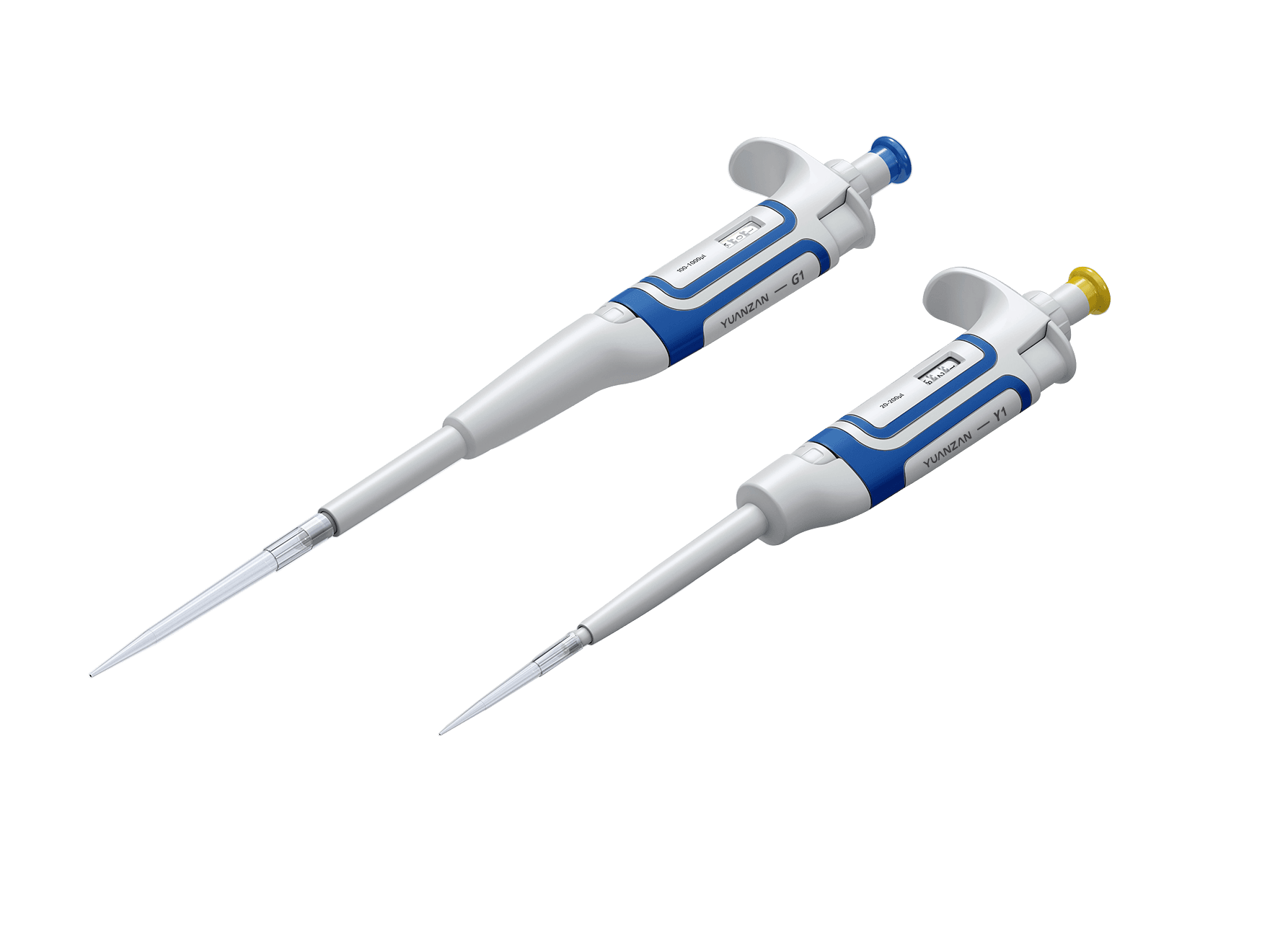
Pipette tips, filter tips, selected low-retention tips, and manual pipettes.
Explore Liquid Handling Solutions
Molecular Biology
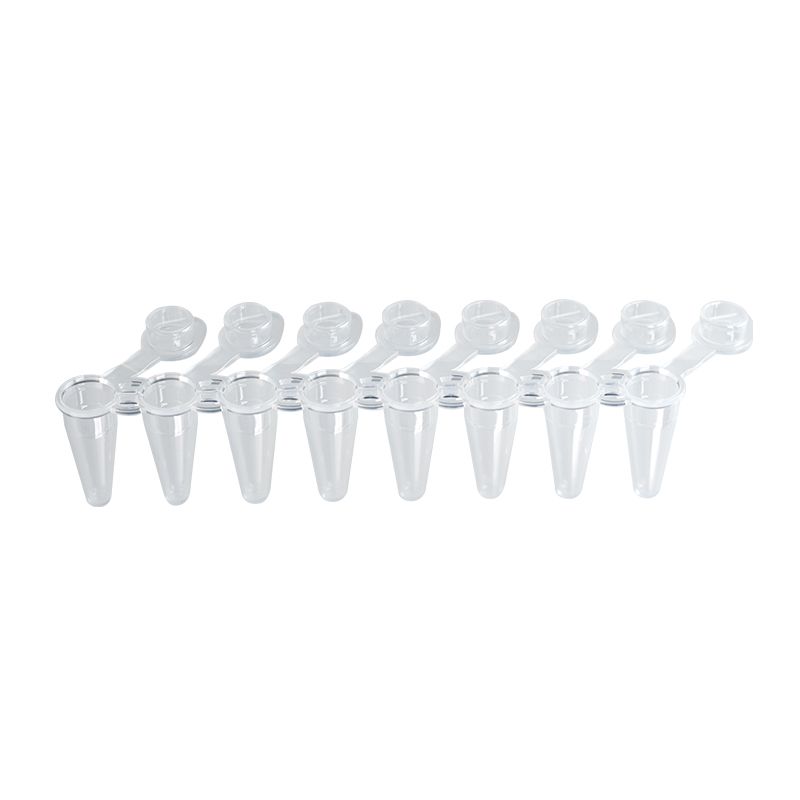
PCR single tubes, PCR strip tubes, PCR plates, and selected sample-processing products.
Explore Molecular Biology Consumables
Sample Processing
Centrifuge tubes, microcentrifuge tubes, and other suitable laboratory plastic consumables.
Explore Laboratory Consumables
Product Suitability and Documentation
Yuanzan's manufacturing operations and quality management systems support selected laboratory consumable product lines.
The availability of an ISO-certified quality management system does not independently establish that a particular product is validated for wastewater AMR surveillance.
Likewise, product availability does not imply that Yuanzan provides an independently validated end-to-end wastewater AMR testing solution.
Buyers should confirm product specifications, compatibility, relevant product claims, and documentation according to their application.
Distributor and OEM Evaluation
For distributors, laboratory procurement teams, and private-label buyers, Yuanzan can review:
● Product categories and reference SKUs
● Intended laboratory application
● Product and packaging specifications
● Relevant documentation requirements
● Target market
● Estimated purchasing volume
● Sample evaluation requirements
Selected laboratory plastic consumables may be available for commercial supplier evaluation, subject to product and project availability.
Explore Yuanzan OEM and Private-Label Supply
Conclusion: Reliable AMR Surveillance Requires More Than PCR Consumables
Wastewater AMR surveillance can provide valuable information about resistance-related genetic and microbial indicators in environmental samples.
However, reliable interpretation requires a broader framework than detection of a target gene.
Sampling design, sample processing, molecular assay performance, inhibition assessment, appropriate controls, reporting methods, and data comparability all matter.
Laboratory consumables support these activities, but they do not independently establish analytical validity or determine the biological significance of a detected resistance gene.
For laboratories, a structured consumable qualification process helps align purchasing decisions with analytical requirements.
For distributors and procurement teams, product specifications, compatibility, documentation, and repeat supply provide a more dependable basis for long-term sourcing than unit price alone.
The goal is to support consistent laboratory operations while maintaining appropriate scientific caution when interpreting wastewater AMR results.
Discuss PCR and Sample-Processing Consumables
Are you sourcing laboratory consumables for wastewater research, environmental molecular testing, or related laboratory workflows?
Share your required product categories, existing reference SKUs, intended instruments, target market, and estimated purchasing volume.
Yuanzan can review relevant consumables, available product information, and commercial sample evaluation options.
Primary CTA: Request Consumable Samples for Supplier Evaluation
Secondary CTA: Discuss OEM and Private-Label Supply
Samples are intended for qualified commercial evaluation and are subject to product availability and project requirements. Product suitability for any specific wastewater AMR method requires separate assessment.
References
4. Yuanzan Life Sciences. Laboratory Consumables Product Catalog, 2026.
References provide scientific and technical context. They do not constitute independent validation, endorsement, or certification of Yuanzan products.
FAQ
What is wastewater-based antimicrobial resistance surveillance?
It is the investigation of selected antimicrobial resistance-related organisms, genes, or indicators in wastewater or environmental samples. It can complement other surveillance approaches, but its interpretation depends on the methods and available supporting information.
Does detecting an antimicrobial resistance gene mean viable resistant bacteria are present?
No. Molecular detection may identify genetic material associated with viable organisms, nonviable organisms, or extracellular DNA. Gene detection alone does not establish microbial viability or phenotypic resistance.
Can wastewater ARG measurements determine infection prevalence?
Not directly. Wastewater gene measurements cannot independently establish how many people are infected with resistant organisms. Sampling conditions, population characteristics, environmental sources, and analytical uncertainties must be considered.
Why is PCR inhibition important in wastewater samples?
Wastewater can contain substances that interfere with amplification. Inhibition can affect detection and quantification, so laboratories should evaluate it using methods and controls appropriate to their surveillance procedure.
Is digital PCR always better than qPCR for AMR surveillance?
No. Both techniques can support selected applications. Their suitability depends on the assay, sample matrix, analytical requirements, workflow, consumables, and validation evidence.
What consumables are commonly required for wastewater AMR testing?
Depending on the method, products may include suitable sample-processing tubes, pipette tips, nucleic acid extraction consumables, PCR tubes or plates, and compatible sealing materials.
Are sterile consumables required for every stage?
Not necessarily. Sterility and other cleanliness requirements should follow the intended application and the laboratory's established method.
Can Yuanzan provide consumables for wastewater AMR research?
Yuanzan supplies selected laboratory consumables that may be evaluated for environmental molecular research workflows. Specific compatibility, documentation, and suitability must be confirmed for the intended method.
Can distributors request sample evaluation before bulk orders?
Yes. Qualified commercial buyers can request selected laboratory plastic consumables for supplier evaluation, subject to product availability, project scope, and sample arrangements.
pics of lab consumables